New Delhi
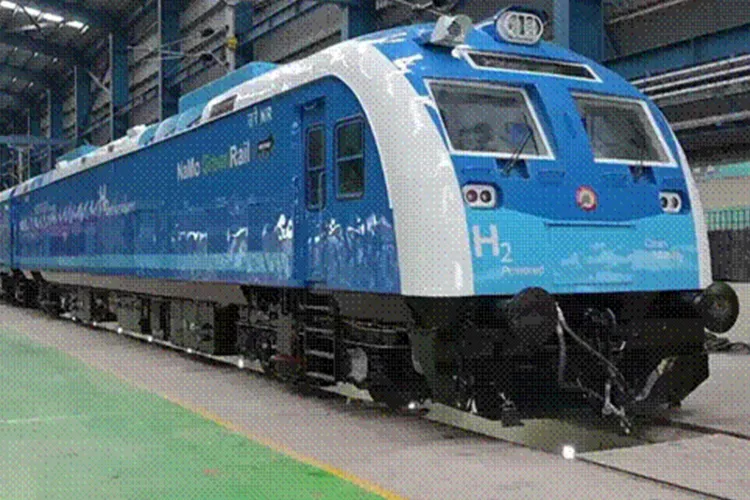
Indian Railways is adopting indigenous hydrogen fuel cell technology as the next step in its clean mobility transition, with a new hydrogen-powered train and supporting refuelling infrastructure showcasing the country's push towards sustainable, self-reliant rail transport, according to a Ministry of Railways release.
Prime Minister Narendra Modi is scheduled to flag off the Hydrogen-powered train between Jind and Sonipat on July 17, marking the operational launch of the technology in the country's railway network.
The ministry said the hydrogen fuel cell train generates its own electricity, unlike conventional electric trains that depend on overhead power lines, the train carries its own power source, making hydrogen one of the cleanest propulsion technologies being adopted by Indian Railways. The initiative builds on the Railways' electrification programme, under which more than 99 per cent of the Broad Gauge network has already been electrified.
While most hydrogen passenger trains abroad have two to four coaches, the Indian train has been configured as a 10-coach train with a capacity of around 2,600 passengers, demonstrating the potential of hydrogen technology for high-capacity passenger operations.
Highlighting the significance of the project, the ministry said, "India's Hydrogen Fuel Cell Trainset represents a significant advancement in both scale and ambition." It added that the country has also established its largest railway hydrogen refuelling facility at Jind, creating a complete hydrogen rail ecosystem covering hydrogen production, storage, compression, dispensing infrastructure, safety systems and operational protocols.
According to the ministry, the train has been developed using indigenous technology under the leadership of Indian Railways, with the Research Designs and Standards Organisation (RDSO) leading the design approval process. The trainset has been integrated by Medha Servo Drives, while the Integral Coach Factory (ICF) contributed to its theme and exterior design.
The ministry also highlighted that the project incorporates multiple layers of safety, including continuous monitoring for hydrogen leaks, heat, flames and smoke, automatic hydrogen shut-off systems, dedicated ventilation, and independent third-party safety assessments before operational deployment.
READ MORE: Gram Sevak Aslam Shaikh behind the most awarded Thikekarwadi Panchayat
Looking ahead, Indian Railways said it is exploring the deployment of hydrogen technology on heritage routes, including the Kalka-Shimla railway, using the experience gained from the project. The ministry said these initiatives mark the transition from a pilot project to a structured national programme for hydrogen-powered rolling stock, supporting the National Green Hydrogen Mission and India's long-term net-zero goals.



.webp "Representational Image")






.webp "Representational Image")
_(1).webp)