New Delhi
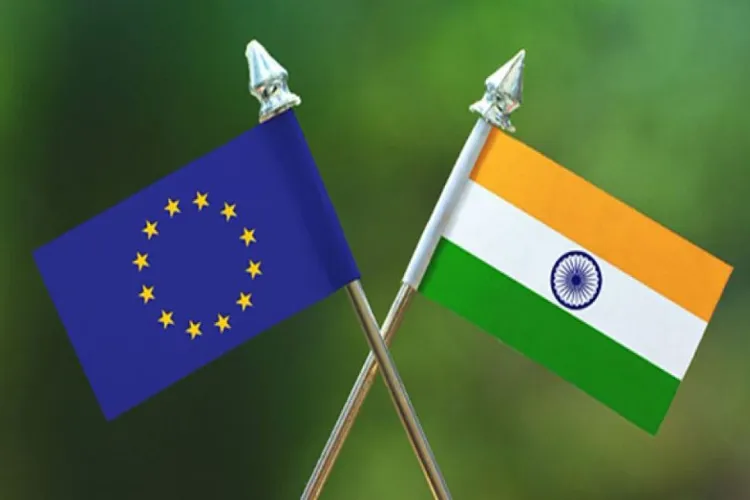
Indian exporters of seafood, honey, and dairy have dodged a significant trade hurdle as New Delhi successfully secured continued market access to the European Union under the bloc's stringent new health safety framework, as per a statement released by the Ministry of Commerce & Industry.
The breakthrough comes ahead of the September 2026 implementation of the EU's revised Antimicrobial Resistance (AMR) regulations, which threatened to cloud the future of animal-origin exports.
By aligning domestic oversight with international standards, India has been officially included in the list of nations authorised to ship aquaculture products, eggs, honey, and animal casings into the EU market.
The regulatory shift stems from Commission Implementing Regulation (EU) 187/2026/EC, an amendment designed to combat the global threat of antibiotic resistance by requiring exporting nations to prove rigorous monitoring of animal products. For India, the stakes were particularly high for the fisheries sector. Currently, the export of fish and fishery products to the EU is valued at approximately USD 1.125 billion, a massive trade flow that would have faced potential suspension without these recent diplomatic and technical interventions.
The Ministry of Commerce and Industry attributed this success to a high-stakes coordination effort involving the Export Inspection Council (EIC) and the Marine Products Export Development Authority (MPEDA). In a statement regarding the development, the Department of Commerce noted that the inclusion follows "sustained efforts" and "proactive and timely measures undertaken by the Government of India" to address the EU's enhanced regulatory requirements. This inclusion, officials say, "ensures continued market access for Indian animal-origin products in the EU" while navigating the "enhanced regulatory requirements" that will soon become the global benchmark.
A critical component of this achievement was the overhaul of India's internal monitoring systems. The EIC worked to modernise the country's "Official Control System," which governs the inspection, testing, and certification of goods meant for foreign shores. Describing the technical leap, the government highlighted that the EIC played a "crucial role in strengthening India's Official Control System, including inspection, testing and certification mechanisms," ensuring they are now "in line with EU regulatory standards." This technical alignment was essential to satisfy European inspectors that Indian animal products are free from prohibited antimicrobial residues.
READ MORE: Teacher Irfana Tabassum revives defunct schools in Kashmir
While the path is clear for seafood and honey, the agreement includes specific "conditional provisions applicable for milk and poultry products," suggesting that these sectors will remain under closer scrutiny as they transition toward full compliance.
Looking forward, the government intends to maintain this momentum to prevent any future disruptions. The Department of Commerce also emphasised its commitment to "continue to work closely with EU-approved establishments and regulatory authorities" to ensure a "smooth implementation of the amended regulations" by the 2026 deadline.















_(1).webp)