




New Delhi
India's current account deficit (CAD) is projected to rise to 2.2 per cent of gross domestic product (GDP) in the current fiscal from an estimated 0.8 per cent in fiscal 2026. This widening CAD stems primarily from escalating global oil prices and broader merchandise trade imbalances, according to a report by rating agency Crisil.
The report pointed to a direct connection between global commodity shifts and domestic macroeconomic indicators, noting that higher energy costs will inevitably test the country's external balance sheet.
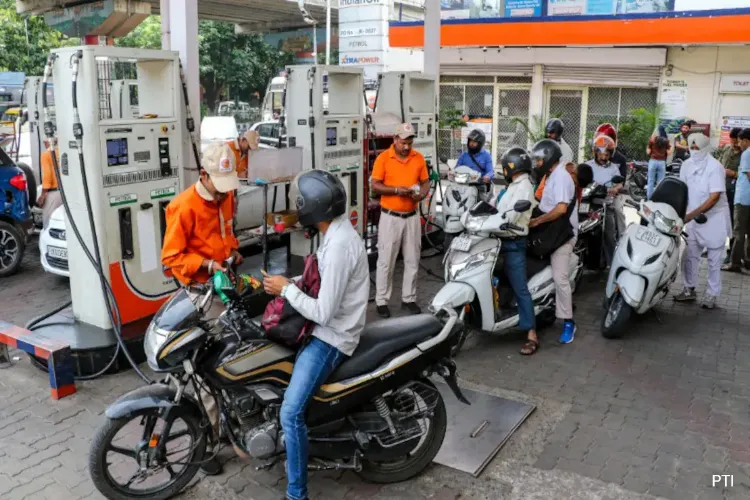
"For the current fiscal, we project the current account deficit (CAD) to rise to 2.2% of gross domestic product (GDP) from an estimated 0.8% in fiscal 2026. Higher oil prices (we have revised the Brent crude price forecast to USD 90-95 per barrel in fiscal 2027, ~32% higher when compared with fiscal 2026) are expected to exert greater pressure on the CAD," the report stated.
The commodity remains a central vulnerability for India's trade ledger, acting as the primary driver behind the structural gap between imports and exports.
"Oil remains the biggest source of the goods trade deficit (36% in fiscal 2026). Goods exports are expected to be hit by global trade disruption and weakening global demand," the report stated.
With a prolonged conflict and resulting disruption to oil and gas production and other economic activities in West Asia, the report highlighted that the economic growth of the region will be hampered. Hence, remittances coming to India from West Asia could also get squeezed.
The report mentioned that India's merchandise trade deficit widened to USD 28.4 billion in April 2026 from USD 27.1 billion a year ago and USD 20.7 billion in March, indicating rising pressure on the trade deficit. The overall import bill rose 10 per cent YoY to USD 71.9 billion in April, reversing direction from a 6.5 per cent contraction in March.
On the outbound side, the report noted a 34.7 per cent YoY surge in petroleum exports helped India's goods exports rise 13.8 per cent YoY in April to USD 43.6 billion (vs a 7.4 per cent contraction in March).
Core exports were resilient, rising 10.4 per cent YoY to USD 31.6 billion, albeit on a low base. Exports of gems and jewellery, however, declined YoY for the second consecutive month (-1.1 per cent vs -29.4 per cent).
"The growth in petroleum outbound shipments was a reflection of the continued rise in crude oil prices (Brent at USD 117.3/bbl in April vs USD 68.1/bbl last year and USD 103.1/bbl in March) and a likely diversion of some petroleum exports to other Asian markets," the report said.
India's exports to Singapore surged 179.2 per cent on the back of a triple-digit growth in the previous month as well. The Crisil report mentioned that exports to Malaysia also continued to rise (59.7 per cent in April). However, exports to Saudi Arabia and the UAE continued to contract YoY in April, by 2.9 per cent and 36.4 per cent, respectively.
READ MORE: Dr Sofia Banu’s mission to make science serve society
"There was some relief as preliminary estimates showed growth in services exports accelerated in April (13.4% YoY vs 7.3% in March), though imports contracted for the second month (-1.5%). This helped the services trade surplus to widen considerably to USD 20.6 billion from USD 15.9 billion a year ago, providing support to the trade balance," the report said.

















_(3).webp)