Mumbai
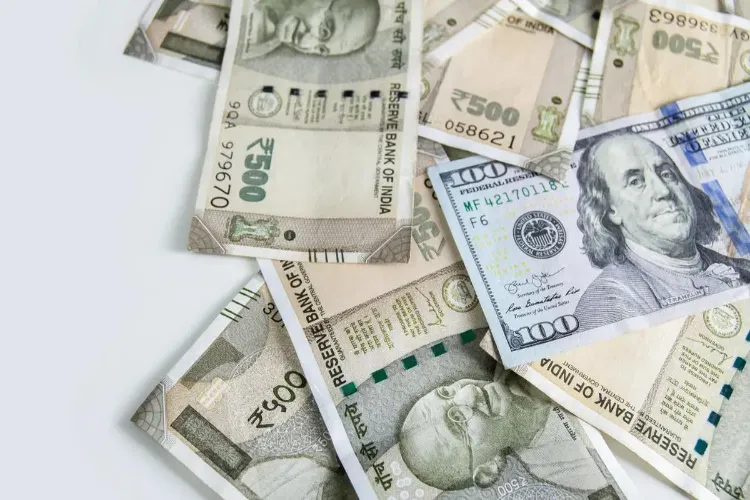
The Indian rupee weakened by 9 paise to settle at 92.63 (provisional) against the US dollar on Thursday, as persistent geopolitical tensions in West Asia weighed on investor sentiment.
Forex traders attributed the decline to uncertainty surrounding developments in the Strait of Hormuz and concerns over a fragile ceasefire involving Iran, which has heightened volatility in global markets.
At the interbank foreign exchange market, the rupee opened at 92.63 and slipped to an intraday low of 92.92, while touching a high of 92.53 during the session.
The domestic currency had gained 52 paise in the previous session following an announcement by Donald Trump on a temporary pause in military action against Iran, coupled with a status quo stance on interest rates by the Reserve Bank of India.
However, renewed concerns over ceasefire violations and Iran’s warning to withdraw from talks if hostilities continue in Lebanon dampened market sentiment, pushing the rupee lower.
The dollar index, which tracks the greenback against a basket of six currencies, edged down 0.12 per cent to 99.01.
Meanwhile, global oil prices surged, with Brent crude rising over 3 per cent to USD 97.67 per barrel, adding pressure on the rupee due to India’s heavy reliance on oil imports.
Analysts noted that the currency’s recent rally stalled amid a combination of rising crude prices and continued foreign fund outflows. Foreign Institutional Investors have remained net sellers in domestic equities, further impacting the rupee.
In the domestic equity market, the BSE Sensex dropped 931.25 points to close at 76,631.65, while the Nifty 50 fell 222.25 points to 23,775.10.
READ MORE: From LoC to Bollywood: Naseem Mughal played Lulli Dakait in Dhurandhar
Market experts expect the USD-INR pair to trade in the range of 92.50 to 93.40 in the near term, as investors balance global energy risks with domestic capital flows.














.webp "Representational Image")