New Delhi
Ten years ago, a young man from a remote village in Kashmir, located along the Line of Control (LoC), left for Mumbai to pursue his dream of making it in Bollywood. He did so against his family’s wishes, who had wished him to opt for a stable career in the police.
Today, he has emerged as a phenomenon, winning audiences over with his cameo and memorable portrayal of Lulli Dakait in the blockbuster films Dhurandhar (2025) and its sequel Dhurandhar 2: The Revenge (2026).
He is Naseem Mughal, known locally as Waseem. Hailing from Prada village in Karnah (Kupwara district), his home lies on the banks of the Kishenganga River, which separates Kashmir from Pakistan-occupied territory and has recently seen roads and electricity.
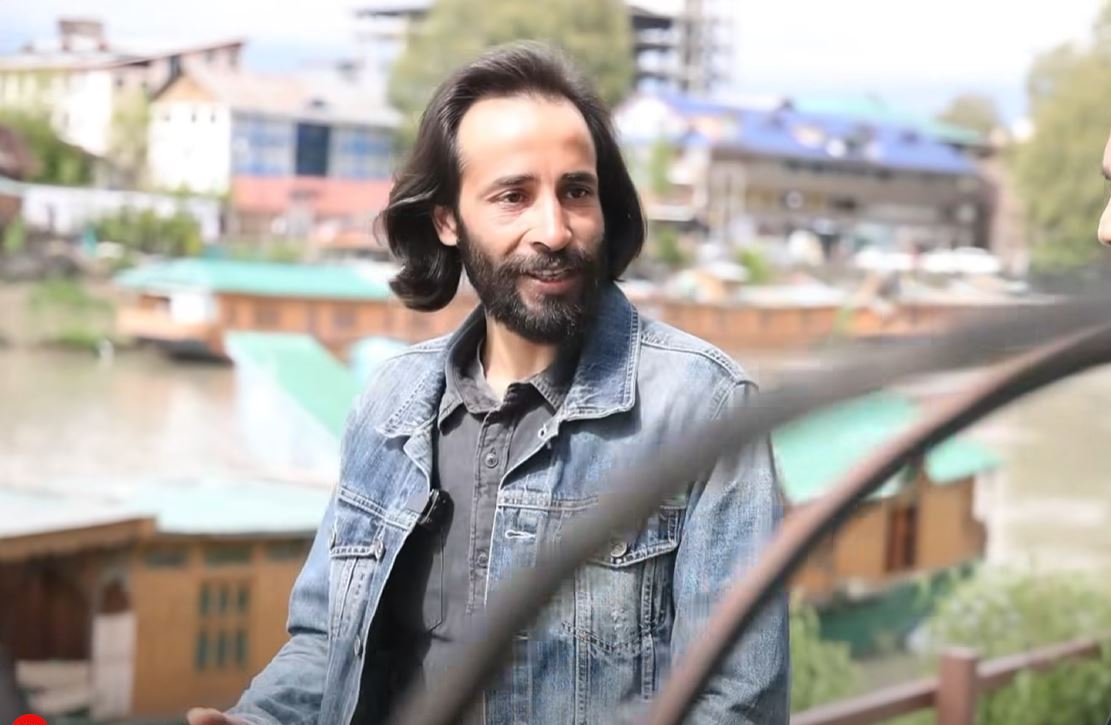 Naseem Mughal
Speaking to a Kashmir-based portal Kashmir Crown, Mughal shared that after four years of initial struggle in Mumbai, during which he took on smaller roles in television serials, Dhurandhar marked his first major breakthrough.
He explained that Bollywood follows a rigorous selection process. “I gave a screen test with casting director Mukesh Chhabra, and after that, I met Aditya Dhar, who approved me for the role,” he said.
In the film, Mughal plays Lulli Dakait, a villain who arrives at a wedding with the intent to kill the son of the Layari gangster Rehman Dakait, portrayed by Akshaye Khanna. In a dramatic scene, he is confronted by Ranveer Singh, who plays Hamza Ali Mazari.
Calling it a moment of immense pride, Mughal reflected on his journey, which was marked by years of persistence. “I kept attending auditions, taking up minor roles, and learning how the system works. Despite repeated setbacks, I stayed on,” he said.
Before reaching the big screen, Mughal built a strong foundation in television. For over 13 years, he worked in TV shows and small projects, gaining recognition as Manu Bhai, a mechanic, in the popular sitcom Taarak Mehta Ka Ooltah Chashmah.
He also appeared in series such as Guns and Gulaabs, Checkmate, and Inside Edge 3, gradually shaping his career.
Coming from a small village with no professional backup, Mughal said his family initially urged him to pursue a secure career in the army or police. However, he chose acting. Over time, as opportunities came his way, doubt turned into pride, and today his family and village stand firmly behind him.
.jpeg) Naseem Mughal
Naseem Mughal
According to Greater Kashmir, despite his success, Mughal remains deeply connected to his roots. He misses Kashmir—its culture, people, and way of life—every day. At the same time, he highlights a larger concern: the lack of a strong local film industry in Kashmir, which he believes limits opportunities for aspiring talent. A vibrant regional industry, he says, could generate employment and open new doors.
He credits Bollywood for giving him a platform. “The industry gave me identity, income, and respect. It is my second home,” he said.
Recently, Mughal also made headlines for responding to criticism of the film. Addressing claims that labelled it as propaganda, he defended the project, stating that the overwhelming public response proves that “you cannot stop the storm,” pointing to its strong box office performance.
ALSO READ: Two-time world kickboxing champion Tajamul Islam is an ode to human spirit
His message to young people is clear: follow your passion, stay committed, and never pursue your goals half-heartedly. At the same time, he emphasised the importance of balancing ambition with responsibility towards family and life.

.jpg "Gujarat’s women entrepreneurs bring their craftsmanship to life during Navratri")