Lucknow
Maulana Khalid Rashid Firangi Mahli, member of the All India Muslim Personal Law Board and Chairman of the Islamic Centre of India, has issued a comprehensive 12-point advisory for the peaceful celebration of Eid-ul-Adha across the country in accordance with law.
This advisory specifically instructs against sacrificing cows.He said that, while celebrating festivals, Muslims must comply with all the rules and regulations.
"There is a law against cow slaughter in our country. Therefore, the question of cow sacrifice does not arise," he said..
In fact, the scholars of the Farangi Mahal had issued a fatwa in 1920 against the slaughter of cows either on Bakr-e-Id noron any other occasion. "Therefore, I appeal to all Muslims that, like every year, this time too, only those animals that are not legally prohibited should be sacrificed.”
Maulana Khalid Rashid Farangi Mahli further said that this advisory also pays special attention to public order, cleanliness and environmental responsibility. Muslims have been requested to avoid offering Eid prayers in public places.
He said that through this advisory, the Muslim community has also been instructed to offer prayers only within the premises of Eidgahs and mosques.
Along with this, special care should be taken for cleanliness and hygiene during the sacrifice. Animal waste or remains should not be thrown outside, but should be disposed of properly as per the arrangements made by the Nagar Nigam and Municipal Corporation.
#WATCH | Lucknow | Lucknow Eidgah Imam, Maulana Khalid Rasheed Firangi Mahali says, "When there is a law against the slaughter of cows in the country, then it is illegal for all Indians to do so. In 1920, the Ulemas of Firangi Mahali issued a fatwa in this regard. Hence, there… pic.twitter.com/nADnRrvYyD
— ANI (@ANI) May 22, 2026
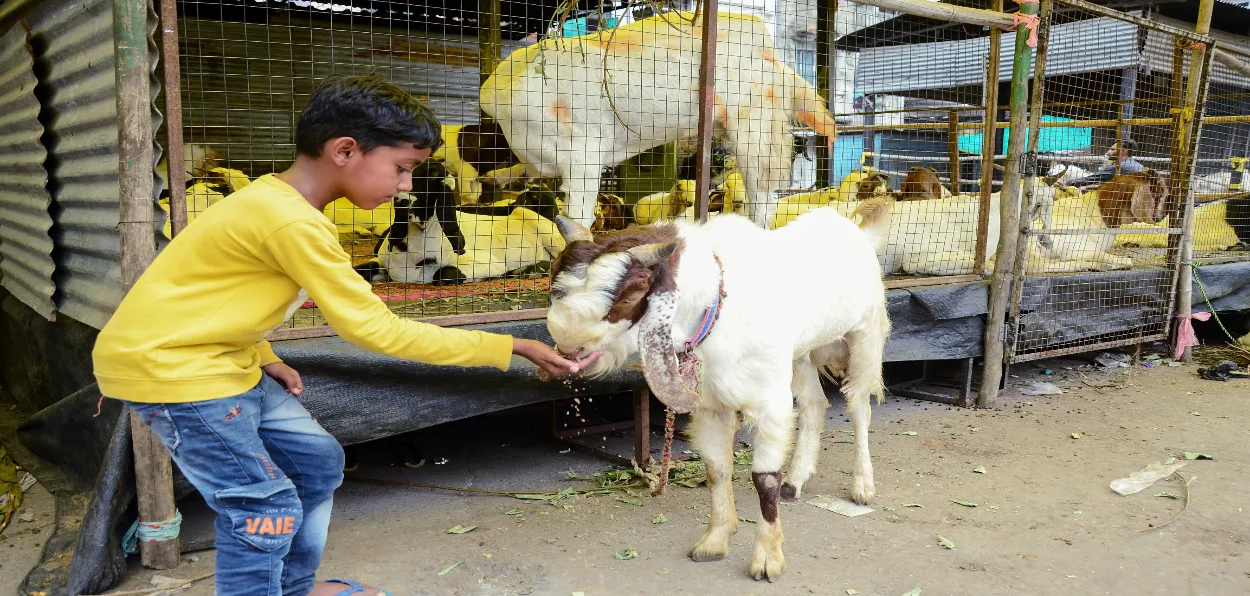
He further said that sacrifice should be performed only at designated and designatedplaces. Public places. Sacrifice should not be performed near streets or roads so that the common people do not face any problem andcleanliness and order are maintained.
Maulana Khalid Rashid Farangi Mahali said that this advisory also appeals to the Muslim community to make the occasion of Eid-ul-Adha a sourceof prayersfor the country's security, prosperity and relief from thecurrent difficulties.
He said that after the prayers, special prayers should be offered for relief from the intense heat wave and for the security and development of the country.Similarly, special prayers should be offered for the end of the economic crisis and difficulties facing the country.
The key points of the twelve-point advisory are as follows:
1. Only those animals that are not legally prohibited should be sacrificed.
2. Cow sacrifice should never be performed because it is against the law of the land.
3. Eid prayers should not be offered in public places.
4. Prayers should only be offered within the premises of Eidgahs and mosques.
5. Special care should be taken regarding cleanliness and hygiene during the sacrifice.
6. Animal waste and remains should not be thrown in open places.
7. Garbage should be disposed of as per the arrangements of the Nagar Nigam and Municipal Corporation.
8. Sacrifice should be performed only at designated places.
9. Sacrifice should be avoided near streets, roads, and public places.
10. Special prayers should be offered for the security, progress and prosperity of the country on the occasion of Eid-ul-Adha.
11. Prayers should be organised for relief from the intense heat wave and other difficulties.
12. Special prayers should be offered to save the country from economic crisis and financial difficulties.
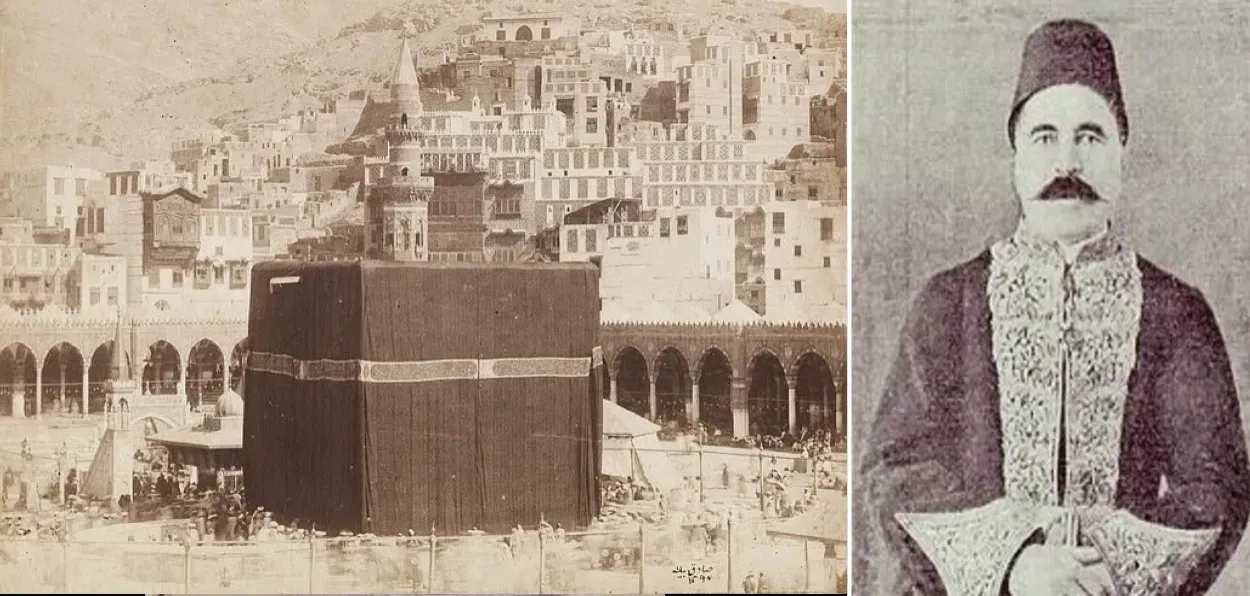
ALSO READ: Who clicked the first picture of Holy Kabba?
Eid al-Adha or Bakr al-Eid, which falls on June 28 this year, is known in Islam as the 'Festival of Sacrifice'. It is celebrated on the tenth day of Dhul-Hijjah, the twelfth month of the Islamic or lunar calendar. The festival is also considered to mark the completion and conclusion of the annual Hajj pilgrimage. The date of Eid al-Adha changes every year because the Islamic calendar is based on the lunar system, which is about eleven days shorter than the Western 365-day Gregorian calendar.