New Delhi
Every medical diagnosis is rooted in data and a large part of that data comes from radiology. While imaging machines have rapidly advanced, the digital systems that manage scans, reports, and workflows inside radiology centres have lagged behind. This widening gap between modern equipment and legacy software led to the founding of Medtatvaa, a healthtech startup focused on modernising India’s radiology infrastructure.
The consequences of outdated systems are most visible in long-term care. Patients requiring periodic imaging, such as those monitored for slow-growing brain tumours often need access to years of historical scans and reports. In practice, this still means carrying CDs, films, and paper records across hospitals. Despite advances in imaging, continuity of care remains largely manual.
Medtatvaa was built around a simple insight: radiology systems are not just repositories for images, they are critical to clinical decision-making and patient flow. Yet across India, many imaging centres continue to rely on fragmented software, physical storage media, and manual coordination, creating delays and operational strain amid rising patient volumes.
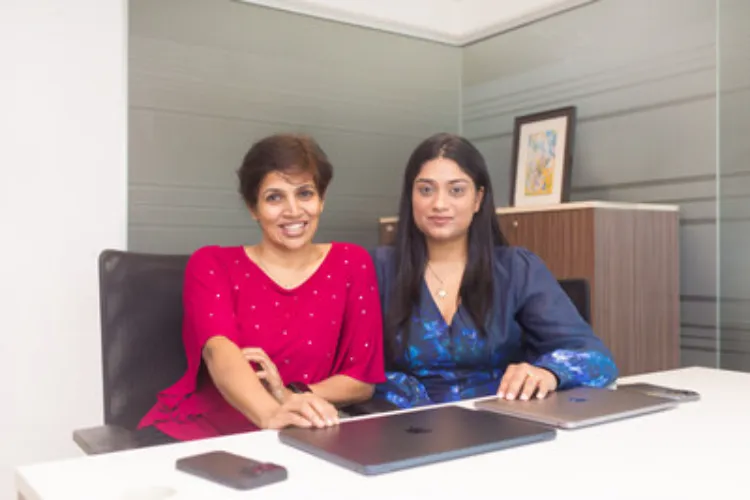
The problem resonated deeply with Medtatvaa’s two founders, who approached it from different but complementary perspectives.
Sneha Samaveda, trained in business in the United States, spent years working with early-stage startups in India and engaging with healthcare venture building in New York. She saw how well-designed digital systems could transform complex industries. However, repeated visits to Indian imaging centres raised a persistent question: why was such a vital part of healthcare still operating on outdated infrastructure?
At the same time, Supraja Srinivasan, with over 12 years of experience building healthcare technology products including work with Siemens was seeing the challenge from within. She understood radiology systems at a technical level and witnessed how inefficiencies in PACS, storage, and reporting directly affected radiologists and technicians. While better technology existed, it wasn’t reaching most imaging centres.
When the two connected, their discussions quickly turned into action. They recognised that modernising radiology required both technical depth and a clear understanding of on-ground workflows. Medtatvaa was formed to bring those strengths together.
That vision has taken shape with the launch of DICOMDrive, Medtatvaa’s flagship cloud-native platform. The solution enables imaging and scan centres to securely store images and share scans and reports digitally via WhatsApp, email, and SMS. By reducing reliance on physical media and disconnected systems, DICOMDrive aims to improve turnaround times and operational efficiency.
“We’ve digitised payments, travel, and public services, yet most healthcare records in India are still printed on paper,” says Sneha Samaveda, Co-founder of Medtatvaa. “That gap needs to close.”
To ensure clinical relevance, Medtatvaa is guided by a medical advisory board that includes Dr. Sowjanya Bhyri, Director of Amruta Scan Center in Hyderabad and a leading ultrasound specialist. Her inputs help align the platform with real-world radiology workflows.
READ MORE: India has made Christmas carols its own over time
Looking ahead, Medtatvaa plans to go beyond image storage and sharing. The company aims to build a comprehensive operating system for imaging and diagnostic centres, integrating scheduling, billing, reporting, imaging, and referrals on a single platform. The goal is seamless access for referring doctors and a digital-first experience for patients.
As India’s healthcare system accelerates its digital transformation, Medtatvaa’s founders believe the focus must shift to building strong foundational infrastructure. Their effort reflects not only a push to modernise radiology, but also the growing role of women-led, deeply technical startups shaping the future of healthtech.


.png)