Vidushi Gaur/ New Delhi
Basant Panchami arrives softly, like a whispered promise, announcing the departure of winter and the gentle onset of spring across north and west India. The air begins to feel lighter, mornings stretch a little longer, and nature seems to pause before bursting into colour.
Celebrated on the fifth day of the lunar month of Magha, the festival is not merely a date on the calendar but a cultural rhythm that blends spirituality, learning, music, and the shared memory of communities.
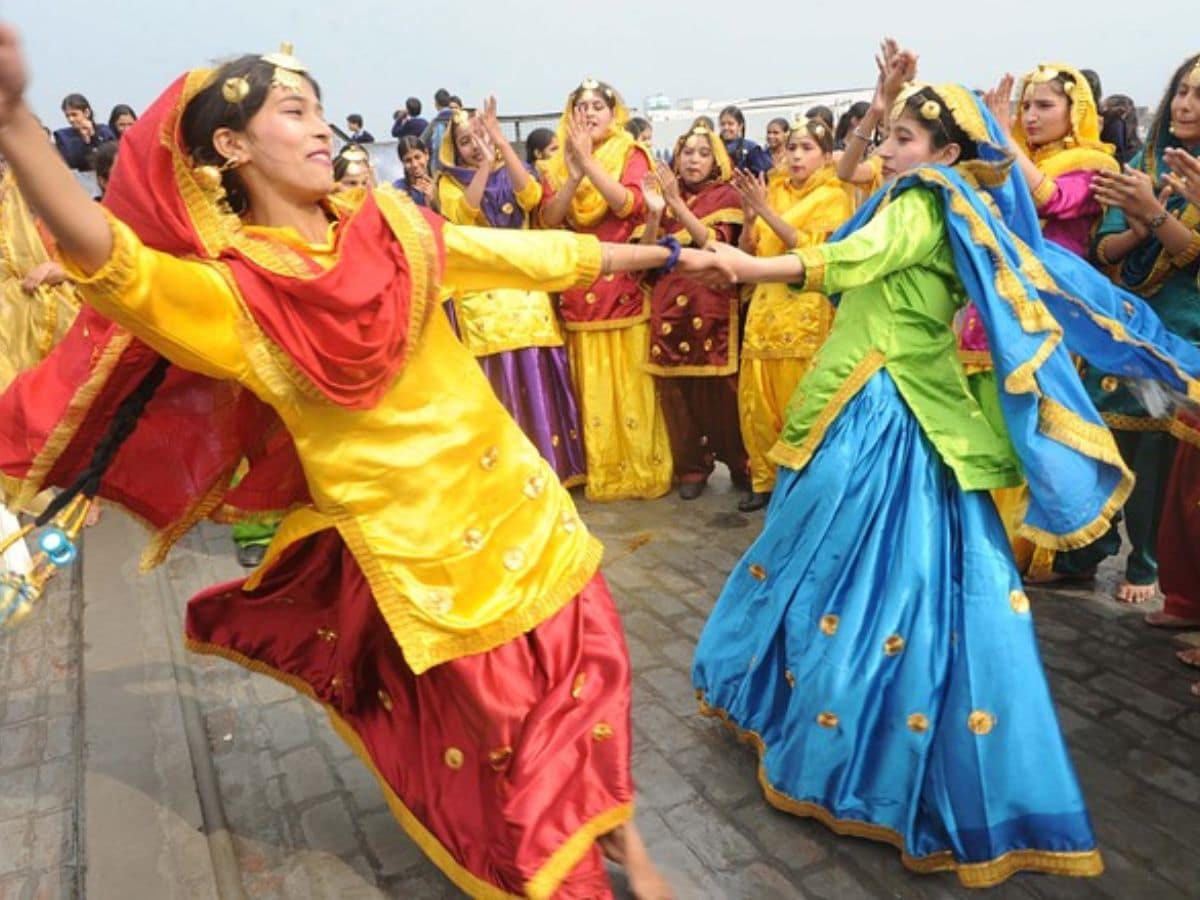 Women in Punjab celebrating Basant Panchmi with Gidda dance
In the fields of Punjab, Haryana, Rajasthan, Uttar Pradesh, and Gujarat, mustard crops bloom in vibrant shades of yellow, transforming the landscape into vast golden canvases. Farmers see Basant Panchami as a marker of seasonal transition, a reassurance that the harshness of winter is receding and that the cycle of growth is advancing steadily.
For agrarian communities, this moment carries hope and gratitude, as the land responds to patient care and changing skies.The colour yellow dominates the day, symbolising energy, prosperity, and knowledge. People dress in shades of saffron and mustard, prepare yellow-hued foods, and decorate homes and temples accordingly. This shared palette reflects a collective embrace of renewal, as if society itself aligns with nature’s changing mood.
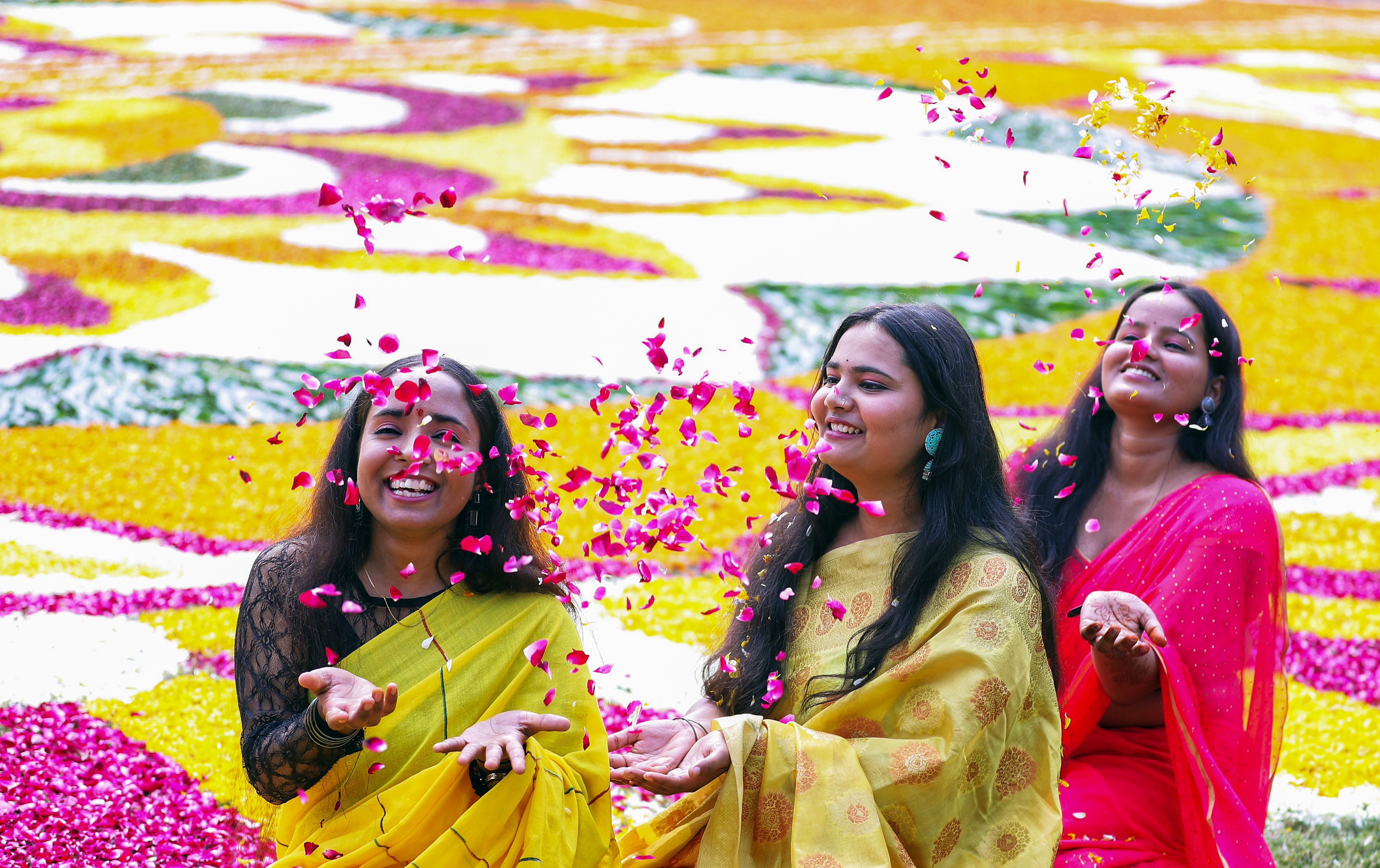 Women wearing yellow dresses celebrating Basant Panchmi
At the spiritual heart of Basant Panchami stands Goddess Saraswati, revered as the embodiment of knowledge, wisdom, music, and speech. Across schools, colleges, libraries, and homes, her idols and images are adorned with flowers and books placed reverently at her feet. For students and artists, the day carries special meaning.
Children are often introduced to learning through rituals that mark their first steps into the world of letters, while musicians and writers seek blessings to refine their craft. Saraswati’s presence on this day reinforces the belief that learning is sacred, discipline is divine, and creativity is a form of devotion.
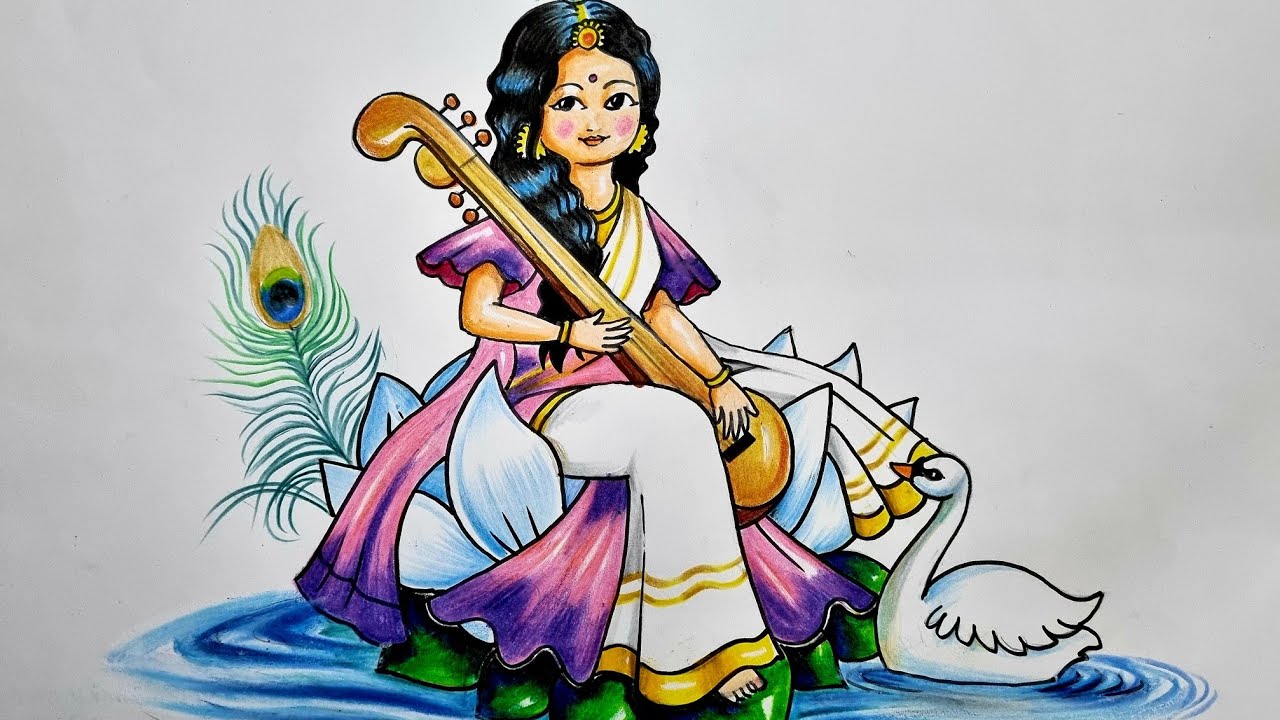 An artist's tribute to Maa Swaraswati
Yet Basant Panchami’s spiritual landscape extends beyond temples and classrooms. The festival also holds deep significance in Sufi traditions, particularly in the Indian subcontinent.
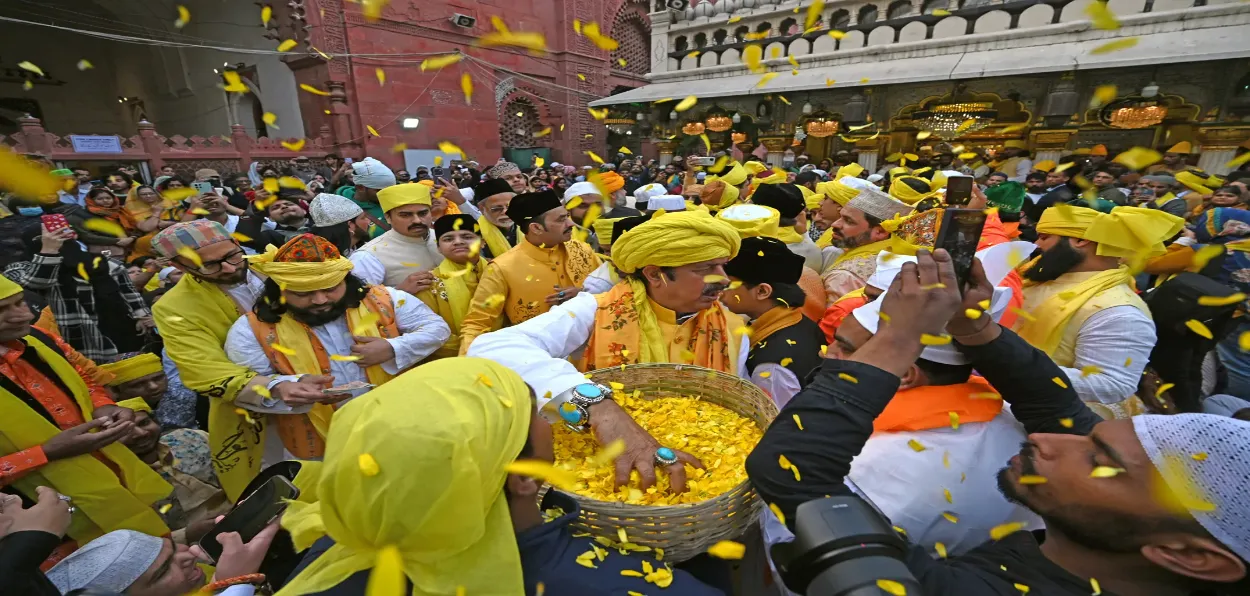
Several Sufi shrines observe the day with music, poetry, and offerings of yellow flowers. The association traces back centuries, when Sufi saints embraced local customs to communicate spiritual ideas in accessible forms.
At places like the dargah of Hazrat Nizamuddin Auliya in Delhi, the arrival of spring was historically welcomed with qawwalis and floral tributes. The Sufi interpretation of Basant celebrates divine love and renewal, seeing the changing season as a metaphor for the soul’s awakening.
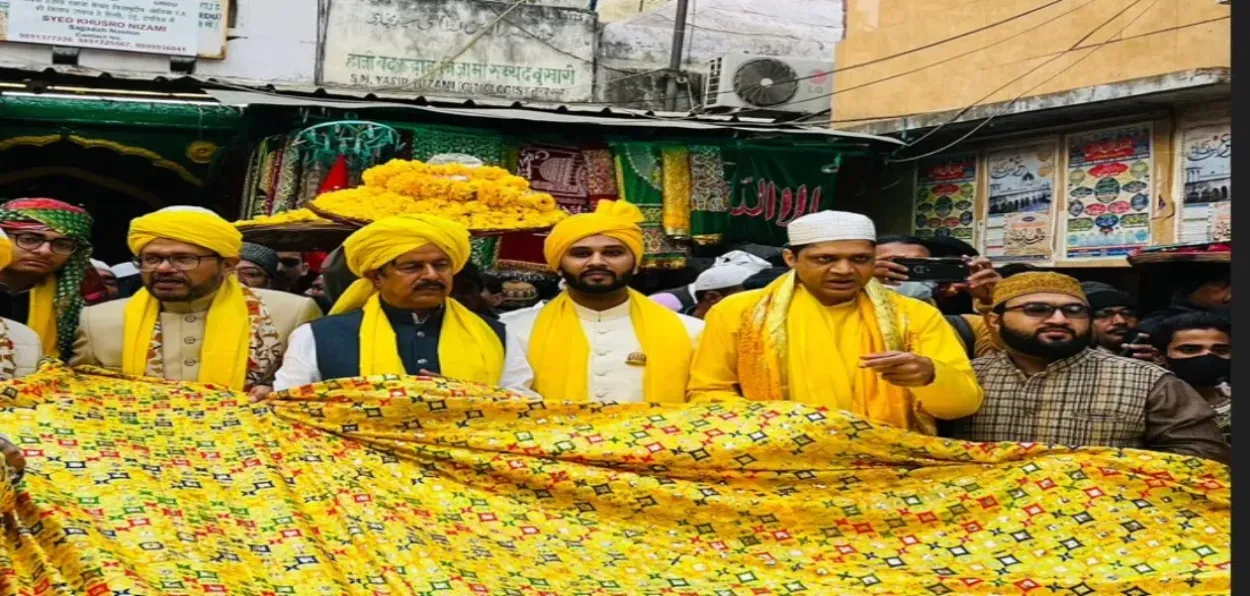
A yellow chaddar being offered at Nizamuddin dargah on Basant Panchmi
Music plays a central role in this expression. Classical ragas associated with spring, such as Raga Basant, are performed in homes and cultural spaces, echoing themes of joy and longing. Poetry, whether devotional or romantic, finds a natural stage on this day, as words flow more freely amid the promise of warmth and light.
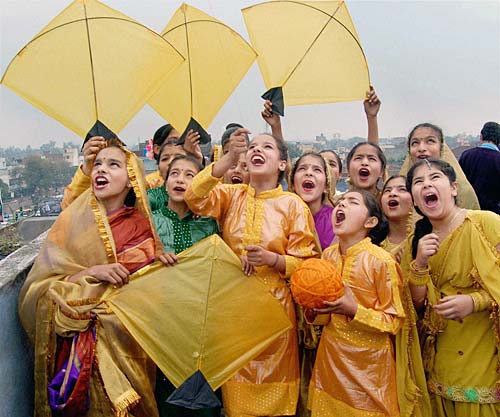
Another vibrant dimension of Basant Panchami unfolds in the skies. In many parts of north and west India, kite flying becomes a joyful spectacle. Rooftops fill with laughter as colourful kites dance against the blue, symbolising freedom and celebration.
Though often associated with later festivals like Makar Sankranti or Basant in Punjab, the spirit of aerial festivity is closely linked to the seasonal transition that Basant Panchami heralds.
Equally important are the folk traditions and community gatherings that accompany the day. From small village fairs to urban cultural programmes, people come together to mark the season’s change. Storytelling, dance, and shared meals reinforce bonds that go beyond religious boundaries, reflecting the festival’s inclusive nature.
Basant Panchami thus exists at the intersection of faith, culture, and nature. It honours Saraswati’s wisdom, echoes the Sufi message of love and renewal, celebrates agricultural abundance, and welcomes spring’s gentle arrival. In a time often defined by urgency and noise, the festival reminds society of the value of patience, learning, and harmony with the natural world.
A social media user posted a beautiful video of the essence of Basant Panchami on X:
Basant Panchami (also known as Basant Panchami or Saraswati Puja) is a vibrant Hindu festival that celebrates the arrival of spring, the end of winter, and the blossoming of nature. It falls on the Panchami Tithi (fifth day) of the bright half (Shukla Paksha) of the Hindu lunar… pic.twitter.com/YTSa6rT96s
— Himanshu Rawat 🇮🇳 (@i_himanshurawat) January 22, 2026
As winter fades and spring approaches, Basant Panchami stands as a quiet yet profound reminder that renewal begins not with haste, but with understanding, grace, and collective hope.