.webp "Shakiba Mohammad and one of her Arab dishes")
Munni Begum/Guwahati
Shakiba Mohammad, a resident of Panjabari, is blending her experience of living in Dubai with entrepreneurship to bring the authentic taste of the Middle East to the people of Assam.
Shakiba lived in Dubai for nearly 11 years, where she immersed herself not only in the flavours of Arabic cuisine but also in its cooking techniques, spices and food culture.
"I didn't just enjoy Arabic food while living in Dubai—I learned how it is prepared, the importance of each ingredient and the philosophy behind the cuisine," she says.
After returning to Assam, she realised there was tremendous potential for authentic Middle Eastern food in Guwahati. Initially, she prepared delicacies like Baklava, Kunafa and Persian Rice for family members and friends.
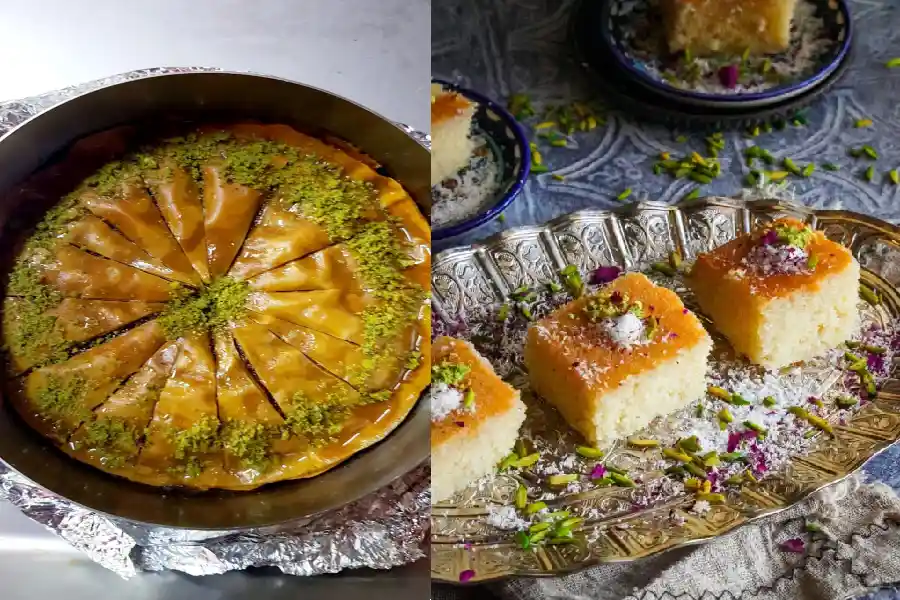 Baclava and Bosbousa
"As more people tasted my food, the appreciation kept growing. That's when I realised Arabic cuisine had immense commercial potential in Assam as well," she says.
According to Shakiba, one of the biggest misconceptions is that Arabic food is excessively spicy or oily.
"In reality, Arabic cuisine is known for its balanced use of spices and premium-quality ingredients. The emphasis is on aroma, freshness and flavour rather than overwhelming heat."
She points out that although dishes like Shawarma and Mandi are widely recognised, Middle Eastern cuisine is far more diverse.
Popular savoury dishes include Mandi, Kabsa Rice, Machboos, Persian Rice, Shawarma, Hummus, Falafel, Moutabal, Tabbouleh and Fattoush, while traditional desserts and breads include Baklava, Kunafa, Basbousa, Umm Ali, Khubz, Pita Bread and Maamoul.
Authentic Arabic cuisine relies heavily on carefully selected ingredients that create its signature aroma and depth of flavour.
Common ingredients include olive oil, premium butter, ghee, basmati rice, saffron, cardamom, cinnamon, cloves, cumin, coriander, paprika, garlic, dried lime, za'atar, sumac, baharat, orange blossom water, rose water, tahini, pistachios, almonds, walnuts, dates, pine nuts and filo pastry.
These ingredients, she says, distinguish Arabic food from many other cuisines.
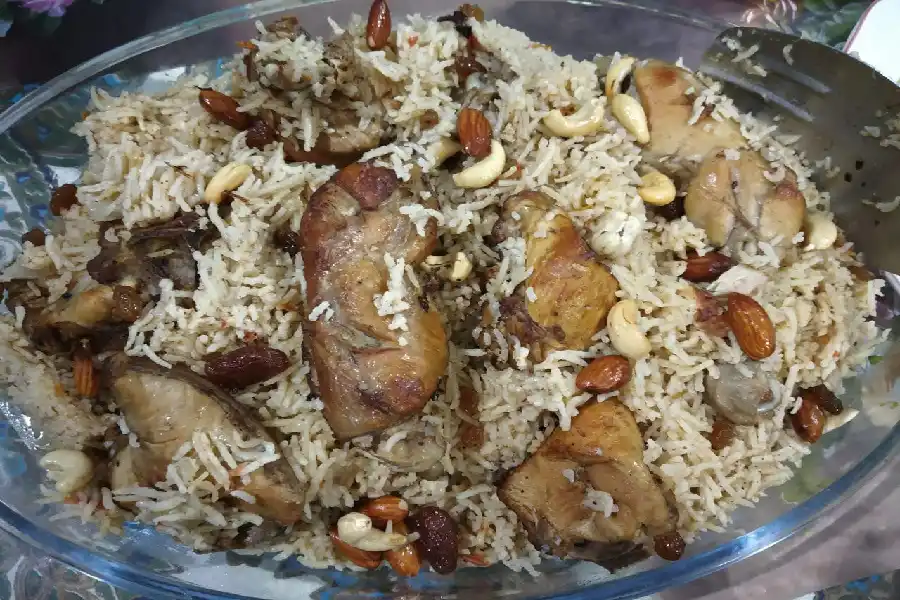 Kabcha Rice
Shakiba believes both Assamese and Arabic cuisines possess unique identities.
Assamese cuisine focuses on preserving the natural taste of ingredients while relying heavily on mustard oil or soybean oil, fish, vegetables, herbs and locally available produce.
Arabic cuisine, on the other hand, makes extensive use of dry fruits, nuts, fragrant spices and slow-cooked meat dishes, particularly during festivals such as Eid, weddings and family gatherings.
Sourcing authentic ingredients remains a challenge & preparing authentic Middle Eastern food in Assam is not without difficulties.
According to Shakiba, many essential ingredients are not readily available in Guwahati markets.
Items such as orange blossom water, filo pastry, premium pine nuts, high-quality olive oil, pistachios, saffron, za'atar, sumac and baharat often have to be purchased online, substantially increasing production costs.
This challenge is even greater while preparing desserts.
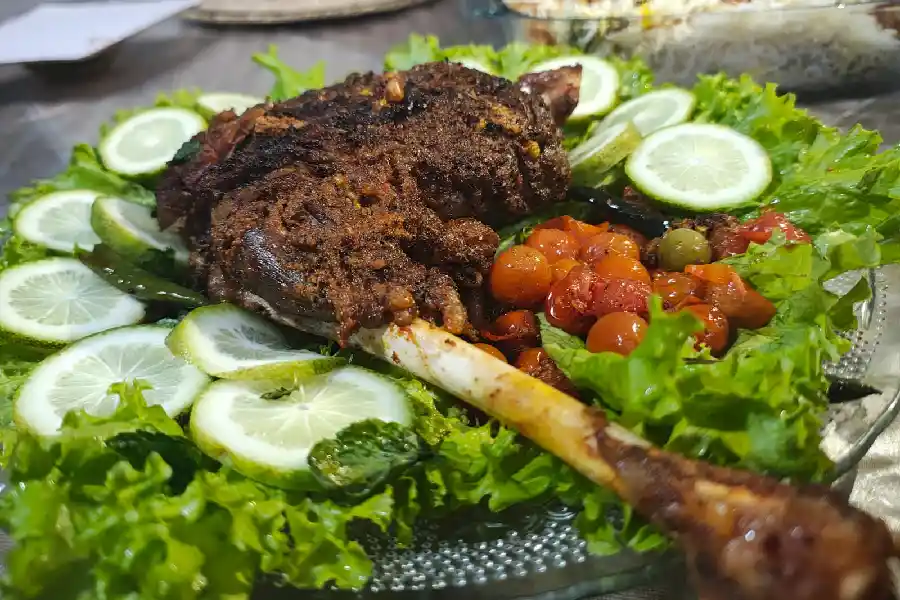 Mutton Leg Roast
"Baklava and Kunafa require large quantities of dry fruits, pure butter, pistachios, almonds, walnuts, honey and special filo pastry. Naturally, the cost of these premium ingredients makes the final products more expensive."
Today, Shakiba accepts orders for speciality bakery products and authentic Middle Eastern dishes through her Instagram page and cloud kitchen, Bake Tree.
She also provides catering services for birthdays, wedding anniversaries, corporate events and gatherings of 40 to 50 guests or more.
Looking ahead, she plans to expand her catering menu by introducing many more authentic Arabic dishes.
She is also preparing to conduct a special Arabic cooking workshop in association with Kalakriti Sangha, where participants will receive hands-on training in preparing a range of popular Middle Eastern dishes and desserts.
Shakiba's love for cooking began during her childhood in Shillong, where she learned the basics of cooking from her grandmother.
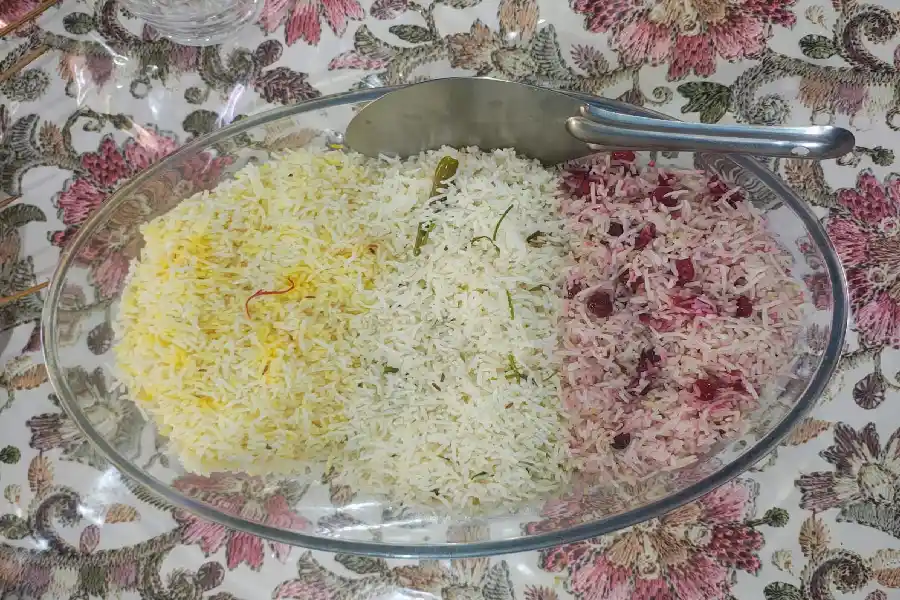 Persian Rice
While she was still a student, she started receiving orders for cakes, cookies and other bakery products.
After her marriage, she moved to Dubai in 2000. Following her return to Assam in 2011, customer demand encouraged her to resume baking and gradually expand into speciality cuisines.
Despite balancing her responsibilities as a wife, mother and caregiver, Shakiba has actively participated in numerous culinary competitions and earned several accolades.
She was also a participant in MasterChef Season 3. Among her achievements are: Third Prize in the Dear Friend Cake Competition, top Three Finalist in the G Plus Home Baker Show & Third Prize in the Blue Paradise Cooking Competition.
Shakiba believes Assamese food lovers are always willing to embrace new flavours and culinary experiences.
She feels that with proper training, quality ingredients and growing public interest, authentic Arabic cuisine can soon become an integral part of Assam's evolving food culture.
More importantly, she hopes her entrepreneurial journey will inspire other women to pursue their passions.
"Every woman has the potential to become financially independent if she has the talent, determination and the willingness to work hard," she says.
READ MORE: Assam: Badruddin Ajmal lends his support to anti-drug campaign
By introducing the authentic tastes of the Middle East while respecting Assam's own rich culinary traditions, Shakiba Mohammad is not only building a successful food enterprise but also creating a cultural bridge—one delicious dish at a time.

.jpg "Gujarat’s women entrepreneurs bring their craftsmanship to life during Navratri")