Ashhar Alam
In the village of Pandaul, in Bihar’s Madhubani district, 58-year-old Sita Ram Sahani stands as a proud witness to the transformation of Mithila Makhana. For nearly three decades, his pond has been his world.
Once, his life followed a familiar rhythm: early mornings in the pond, long afternoons cleaning seeds, and evenings spent worrying about prices dictated by distant traders. The weather was often bad, the profits uncertain, and middlemen took most of what little there was. Still, Sahani refused to give up. “We always knew our Makhana was special, big, white, and delicious,” he says, his eyes glinting with quiet pride. “But the world didn’t know that yet.”
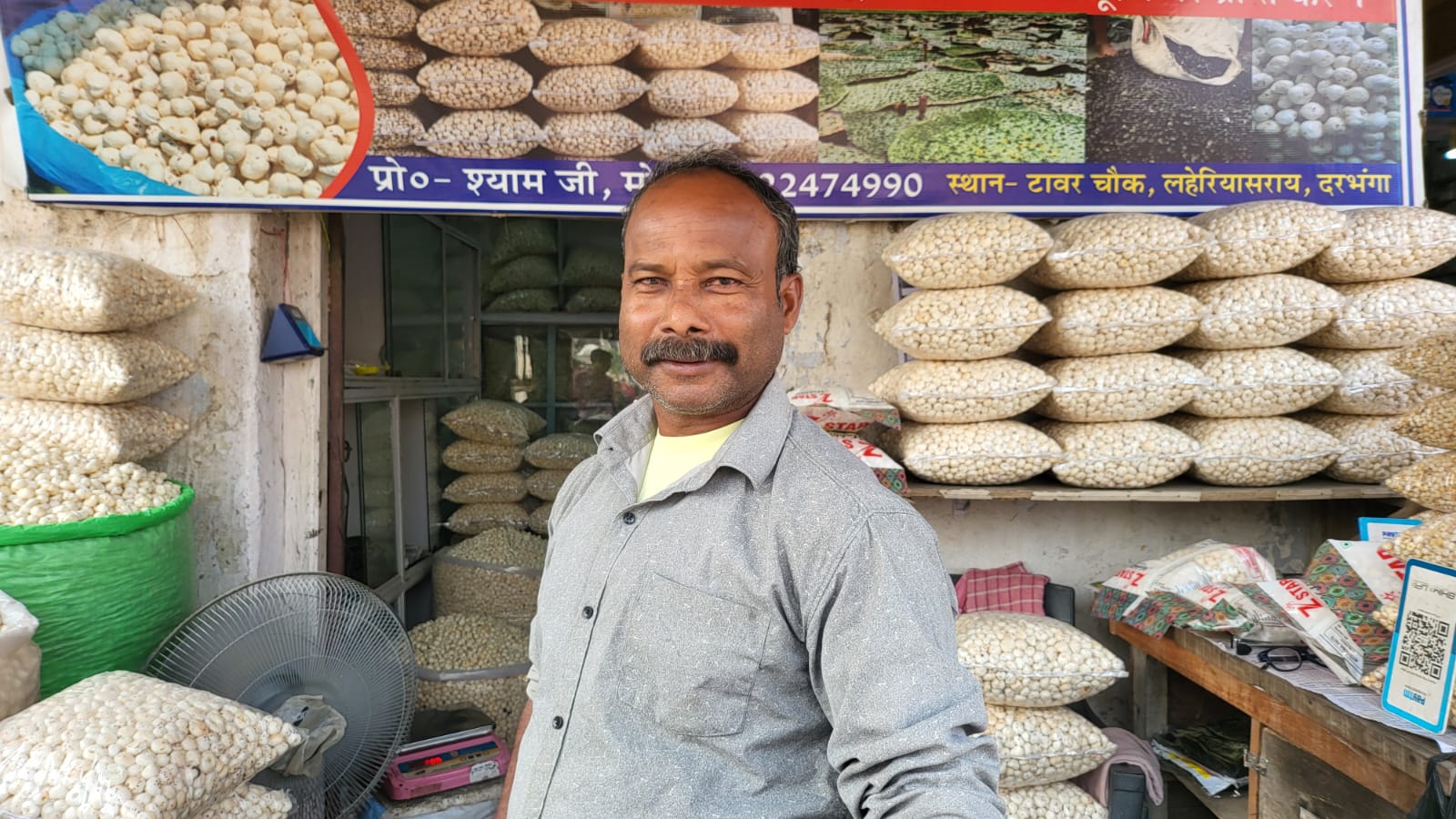 Makhana farmer Sita Ram Sahni
Everything changed in 2022, when Mithila Makhana earned the coveted Geographical Indication (GI) tag, a recognition that linked the crop’s uniqueness to the land and hands that nurtured it. For Sahani, it was more than a label. It was validation.
“This tag gave our crop a name, a brand, and a promise of authenticity,” he says.
With improved prices and new confidence, Sahani and his two sons dreamed bigger. They converted a corner of their home into a small processing unit, where Makhana is cleaned, roasted, and neatly packed under their own label. What began as a simple family tradition has now evolved into a small-scale enterprise.
“My sons used to talk about leaving the village for city jobs,” Sahani smiles. “Now they’ve come back to grow our own brand. We are no longer dependent on middlemen. We sell directly to traders who believe in Mithila Makhana.”
.webp)
Women working in a Makhana processing factory in Mithila
The family’s products now reach markets across Madhubani and Darbhanga, earning loyal customers who recognise their name and trust their quality. The rise in income has brought tangible comfort, a better home, education for grandchildren, and a sense of dignity long denied.
“This tag didn’t just raise our income,” he says. “It restored our self-respect. It made us believe that our hands and our land hold real value”. Sahani’s story echoes across the ponds of Mithilanchal, where generations of farmers have found new hope in a crop once overlooked.
In Benipur, Darbhanga, 48-year-old Mohammad Rashid recalls the frustration of selling to middlemen who dictated unfair prices.
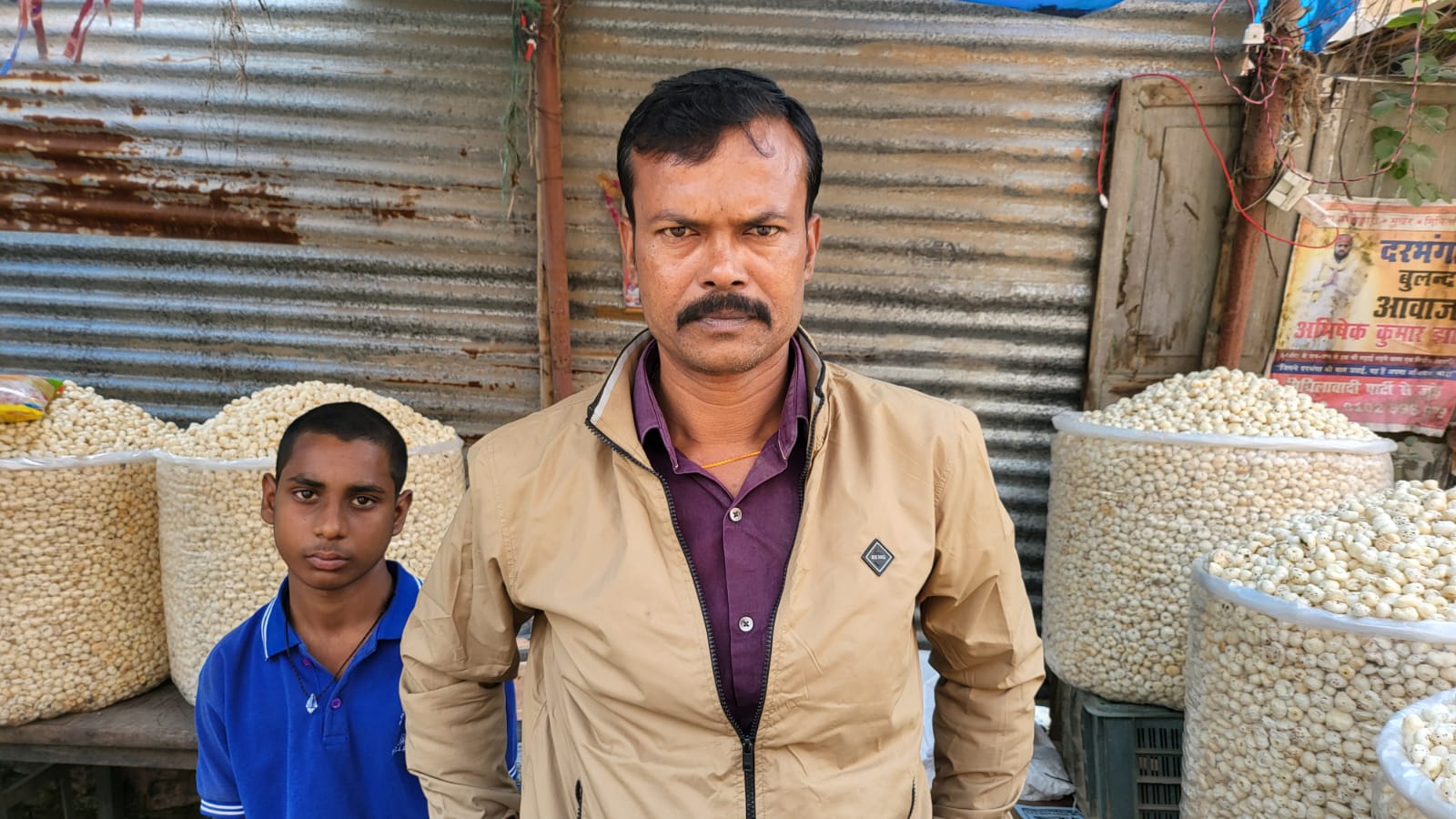
Mohammad Rashid
“Earlier, traders from outside the state controlled everything. We had no say,” he says. “Now, after the GI tag, buyers come directly to us. The rates have increased by 30 to 40 per cent. It feels like our hard work is finally being recognised.”
Rashid has expanded his pond area and started selling directly to traders from Delhi and Lucknow. He’s experimenting with modern drying and packaging methods to preserve Makhana’s delicate flavour. “This is not just business growth,” he adds with a grin. “It’s respect. People now know the worth of our produce.”
Afsar Ali, 29, from Hayaghat, Darbhanga, represents a new wave of educated, tech-savvy farmers transforming traditional practices.
“The GI tag opened up export opportunities,” Afsar explains. “Traders from Patna and Delhi are sourcing directly from us now.” He has introduced vacuum packaging and digital marketing, selling through online platforms and inspiring other young farmers to see Makhana not just as a crop but as a business model.
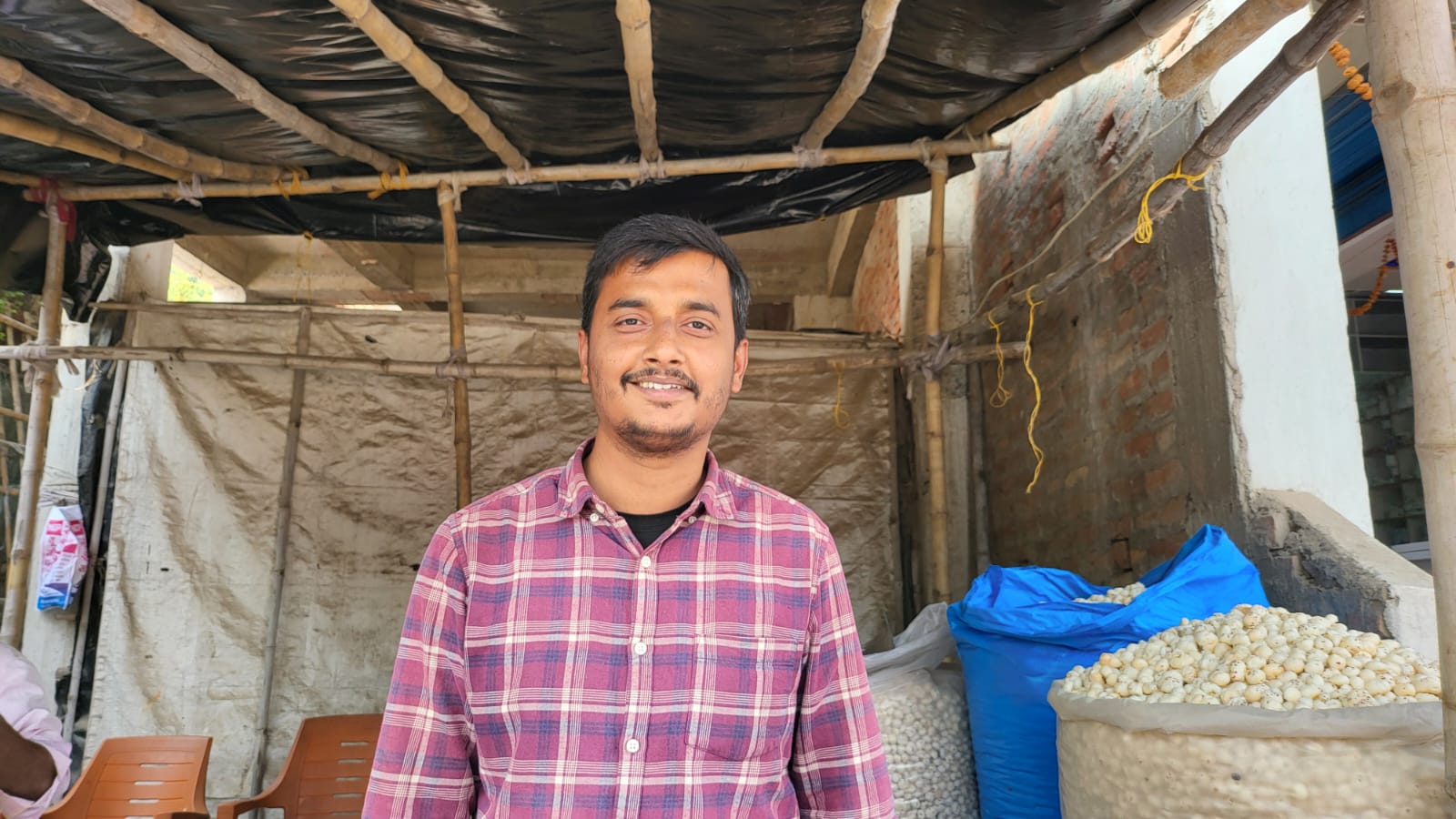 Afsar Ali from Hayaghat, Darbhanga
“Makhana is our heritage,” he says. “But now it’s also a career.”
The transformation isn’t limited to men; in Jhanjharpur, Madhubani, Sunita Devi, 42, shares how women are taking charge through cooperatives and self-help groups.
“Earlier, men handled everything: farming, sales, marketing,” she says. “Now we package and sell Makhana ourselves. The profits have doubled, and so has our confidence.”
Her group produces roasted and flavoured Makhana, selling in nearby markets under their own label. For these women, it’s not just about income, it’s about independence, voice, and recognition within their families and communities.
In Laheriasarai, Darbhanga, 25-year-old Akash Kumar sums up this newfound pride: “Mithila Makhana is not just our crop; it’s our identity. The GI tag carries our name wherever it goes. People now respect our work more.”
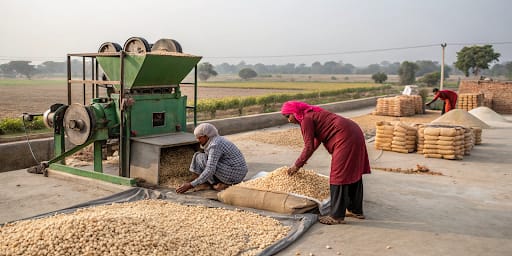 Workers at a Makhana processingh unit in Darbhanga
That respect is visible not just in rising prices but in the way farmers are seen as entrepreneurs, innovators, and custodians of heritage.
Since earning its GI tag in 2022, Mithila Makhana has undergone an extraordinary revival. Prices have tripled from 400–500 Rs per kg in 2021 to 1,100–1,600 Rs per kg in 2025, depending on quality. Organised processing units have sprung up, reducing the role of middlemen and ensuring fairer profits for farmers.
ALSO READ: Moulana Dr Mohamed Imran Rashadi: Peacebuilder of Bengaluru
The Bihar government’s training programs and cooperative models have strengthened post-harvest management, branding, and packaging. As global awareness grows, Makhana, often hailed as a 'superfood' is now finding its way to markets in the Middle East, the US, and Europe.
The author is a Communication Strategist.



.webp "Rocks bearing inscription in ancient Arabic excavated in Saudi Arabia's Madina region")







.webp "Defence Minister Rajnath Singh")





_(1).webp)