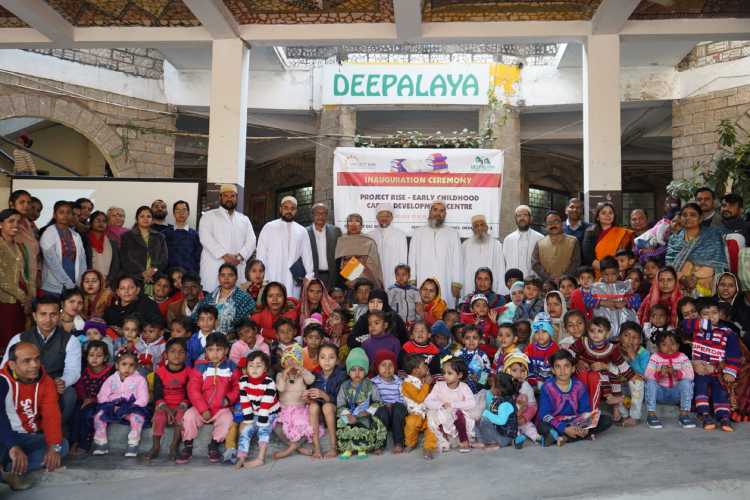
"Every child deserves access to early childhood care and basic education for their holistic development. We are fortunate to have started this project to help disadvantaged parents who belong to the working class and are facing difficulties in raising their children."
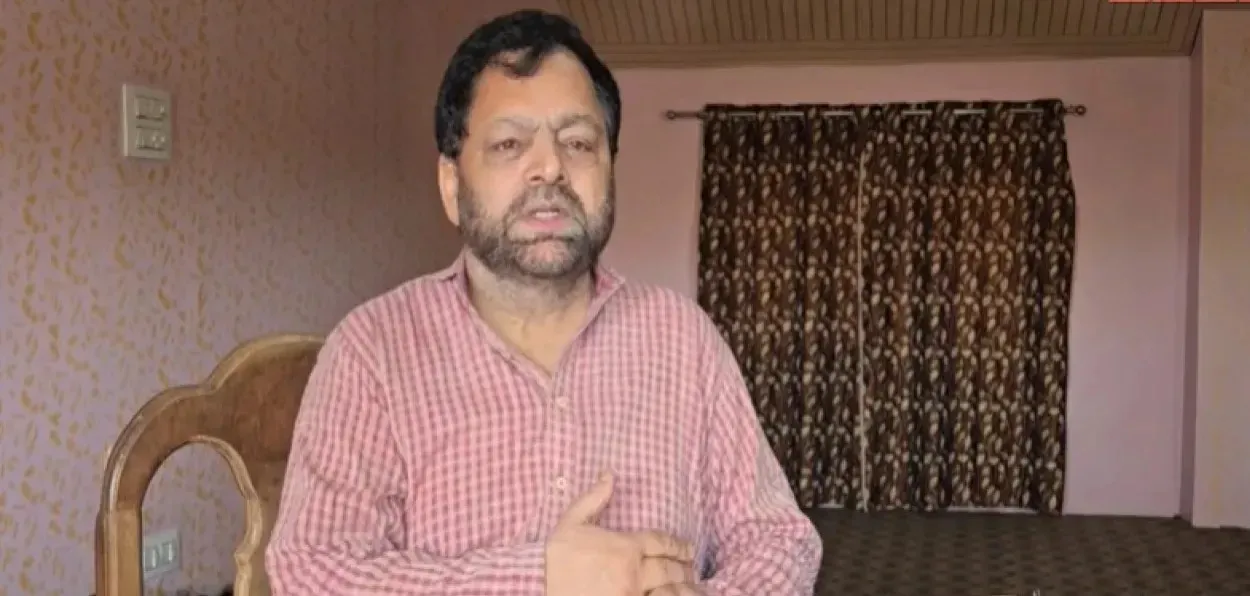
Hatim Badri, the representative of Syedna Mufaddal Saifuddin, leader of the Dawoodi Bohra community said this while inaugurating a partnership with Deepalaya, a Church supported NGO, to improve the educational standards and living conditions of the children of the JJ clusters of the Sanjay Colony in the national capital New Delhi. This colony is inhabited by migrant labourers engaged in construction works live.
Deepalaya has been working amidst these people for the past 43 years for the education and development of the children of this area. Dawoodi Bohra Community and Deepalaya have jointly announced the launch of their new project - Project rise: early childhood care and development center - to provide primary education, skills, nutrition, and health support to the children of Sanjay Colony.
Project Rise is an important branch of social work in the Bohra community. Under this, 100 children between two to six years of age will be trained every year, most of them are children whose parents are daily wage labourers. Regardless of religion and nationality, opportunities for education and development are being provided here for children of all classes.
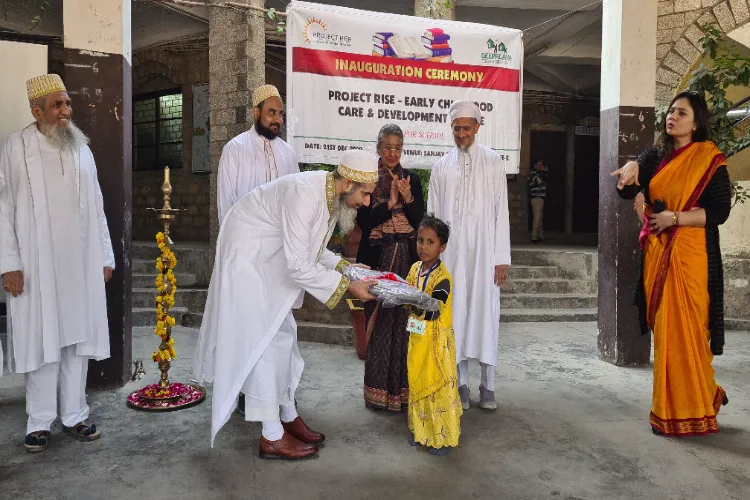
The best and most special thing about Deepalaya is that under one roof the followers of all religions think and work practices for the development of the children of the weaker and backward sections.
Dr. George June, CEO of Deepalaya said that for child development, Dawoodi Bohra Community has partnered with Child Care and Development Center to bring vulnerable children towards education and enable their all-around development.
Leading community members Huzaifa Haryanawala, Ibrahim Engineer, Dr. Hussain Kanchwala, and Murtaza Sadriwala participated in the function.
Project Rise is a global philanthropic effort of the Dawoodi Bohra community which works in partnership with local community volunteers and organizations in the fields of education, health care, nutrition, water and sanitation, and environmental protection.
Dawoodi Bohras are a branch of Shia Muslims, and follow the religion of the Fatimid Imams of Egypt. They believe that they are directly related to the descendants of Prophet Muhammad.
This global community works under the guidance of its religious leader, known as Al-Dai al-Mutlaq. Although this chain started in Yemen, for the last 450 years, this community has been working under the leadership of Al-Dail-al-Mutlaq in India.
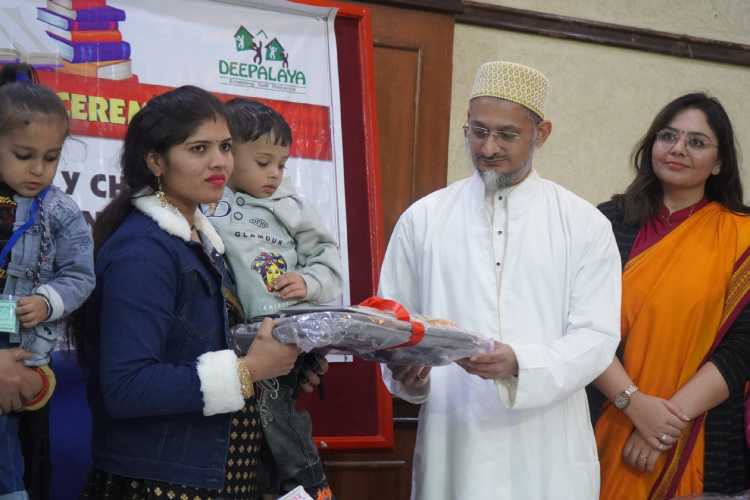
The community spiritual head is Dr. Syedna Mufaddal Saifuddin, the 53rd Dail-Al-Mutlaq.
Dawoodi Bohras today are highly educated, thriving entrepreneurs and accomplished professionals in several fields. With nearly one million members, Dawoodi Bohras have settled in more than 40 countries around the world to practice their faith and lead meaningful and prosperous lives.
Most members of the Dawoodi Bohra community live in India, with large communities in Pakistan, Yemen, East Africa, and the Middle East, as well as Europe, North America, Southeast Asia, and Australia.
Dawoodi Bohras are united by centuries-old principles. Unwavering commitment to faith, genuine love for the countries in which they live, belief in the value of society, education, empowerment of women, relationship with other faiths, physical health and well-being, and responsibility to care for them. . Focus on the environment and all the creatures that live within it, the world is included in their foundation.
The Bohras have always been loyal and law-abiding citizens wherever they live. They have maintained cordial relations with all kinds of governments to promote harmony and goodwill. From the Mughal emperors to the British Raj, along with modern-era political parties, they have maintained an attitude of mutual harmony and goodwill. They do such work, which is a means of the betterment of all and which is useful for society.
The Bohras' unique blend of religiosity and modernity gives them a special place wherever they live







.webp "Union Home Minister Amit Shah")
.webp "Union Minister of Parliamentary Affairs Kiren Rijiju")
_(1).webp)