New Delhi
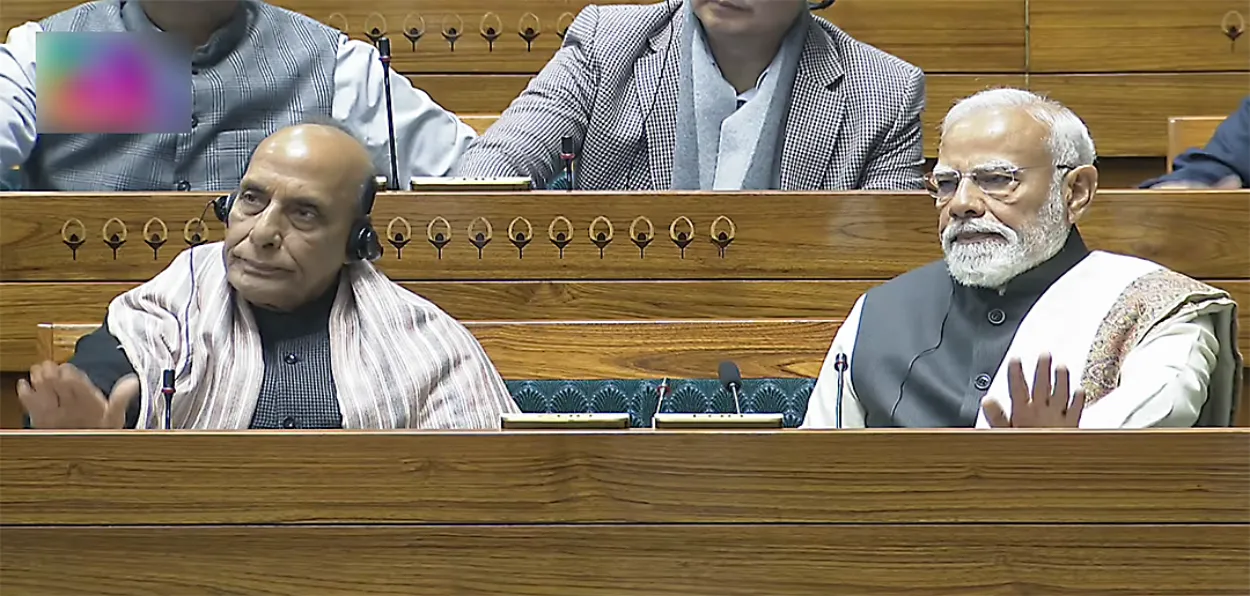
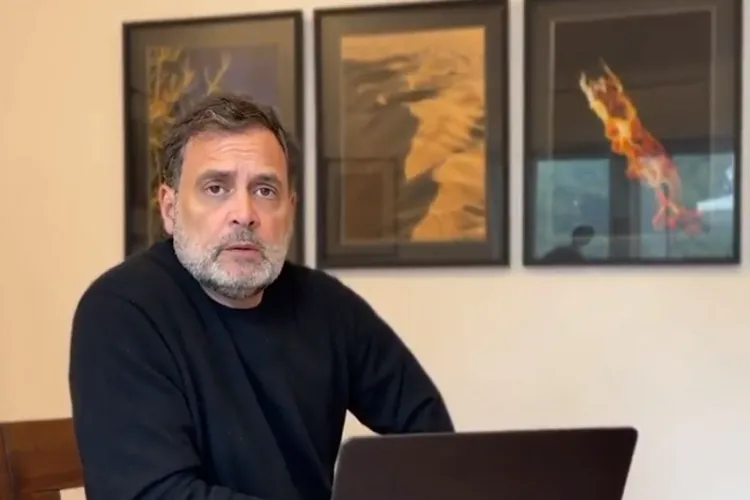
Both Houses of Parliament are set to discuss the motion of thanks on the President's address. Leader of Opposition (LoP) Lok Sabha Rahul Gandhi, including Congress MPs Tariq Anwar, Amarinder Raja Warring, Anto Antony, and Jothimani, will speak during the Motion of Thanks to the President's Address.
In the Lok Sabha, Union Minister and Bharatiya Janata Party (BJP) MP Sarbananda Sonowal will propose the motion, and party MP Tejasvi Surya will second it.
Meanwhile, in the Rajya Sabha, BJP MP C Sadanandan Master will move the motion, and his fellow party MP Medha Vishram Kulkarni will second the motion.
The House has allotted 18 hours for the discussion, and Prime Minister Narendra Modi will reply on February 4 (Wednesday).
Both houses will convene at 11 am today to discuss the motion of thanks on the President's address.
Union Finance Minister Nirmala Sitharaman is expected to reply on February 11.
The Budget session will span 30 sittings over 65 days, concluding on April 2. The two Houses will adjourn for a recess on February 13 and reconvene on March 9 to enable the Standing Committees to examine the Demands for Grants of various ministries and departments.
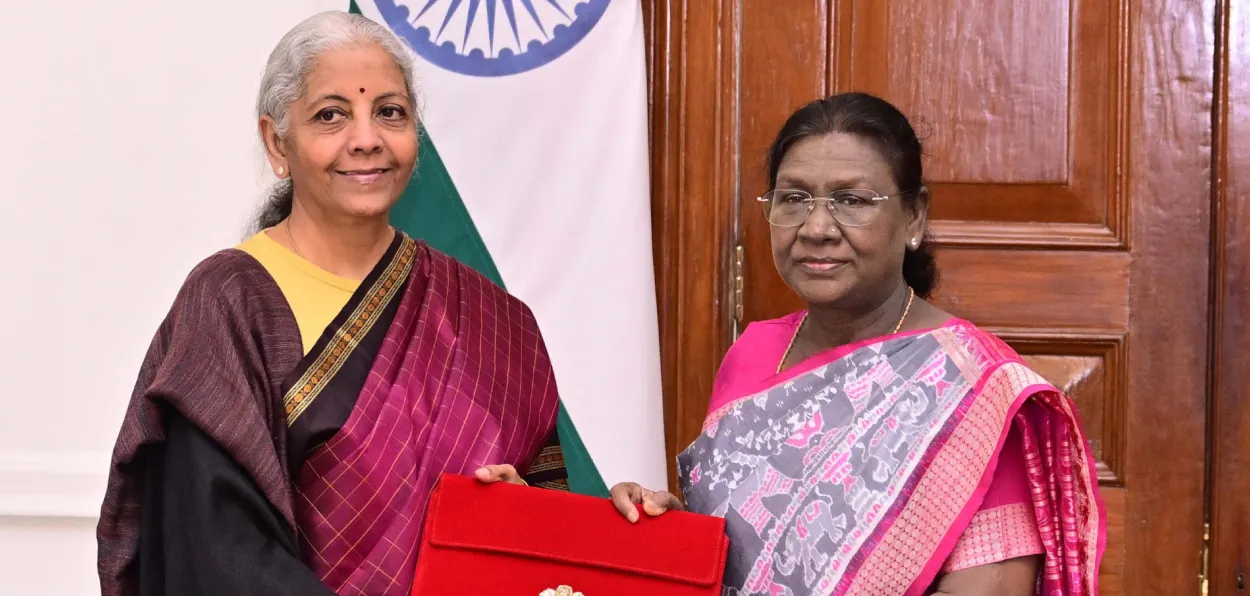
Earlier, on Sunday, Finance Minister Nirmala Sitharaman presented the Union Budget 2026-27 in Lok Sabha, her ninth consecutive Union Budget.
Asserting that the Union Budget 2026-27 is driven by "Yuvashakti" and based on "three kartavyas," Union Finance Minister Nirmala Sitharaman proposed seven high-speed rail corridors, new dedicated freight corridors, and the operationalisation of 20 national waterways over the next five years as part of the Union Budget.
ALSO READ: Union Budget 2026-27: Sitharaman raises capital expenditure for by 9%
The Union Budget has outlined a major push for environmentally sustainable passenger transport, proposing the development of seven high-speed rail corridors across key urban and economic centres. These corridors will act as growth connectors, cutting travel time, reducing emissions, and supporting regional development.









.webp)