New Delhi
Mehar given to a woman at the time of nikah is not merely a gift but her religious and legal right. It is a mandatory debt upon the husband, meant to safeguard a woman’s dignity, honour, and financial security.
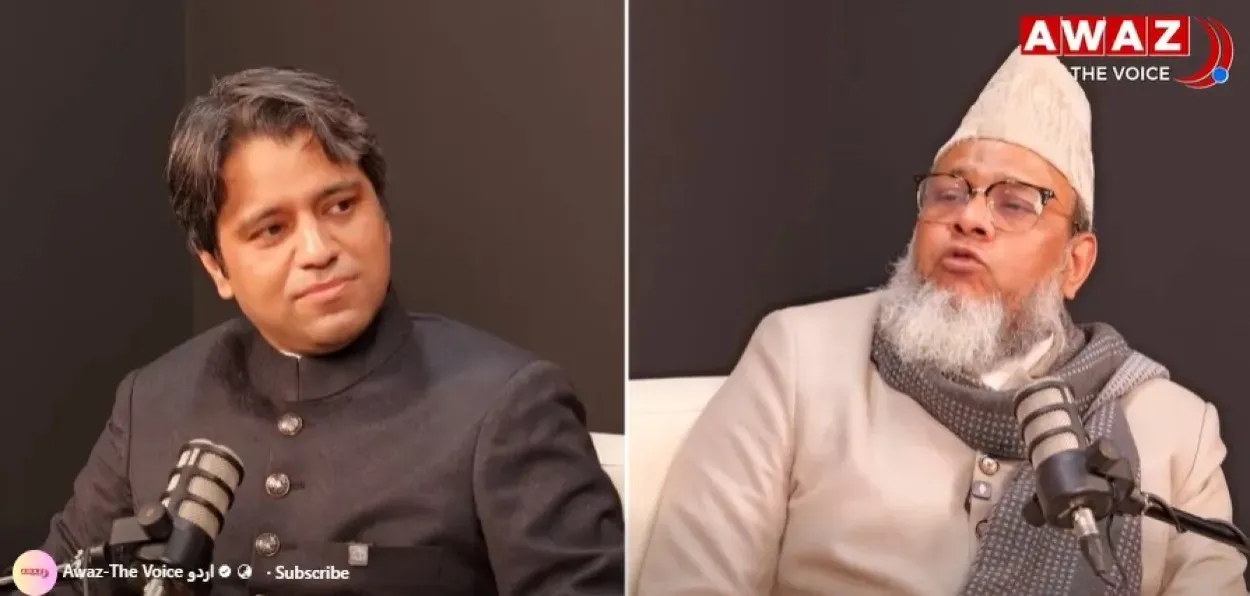
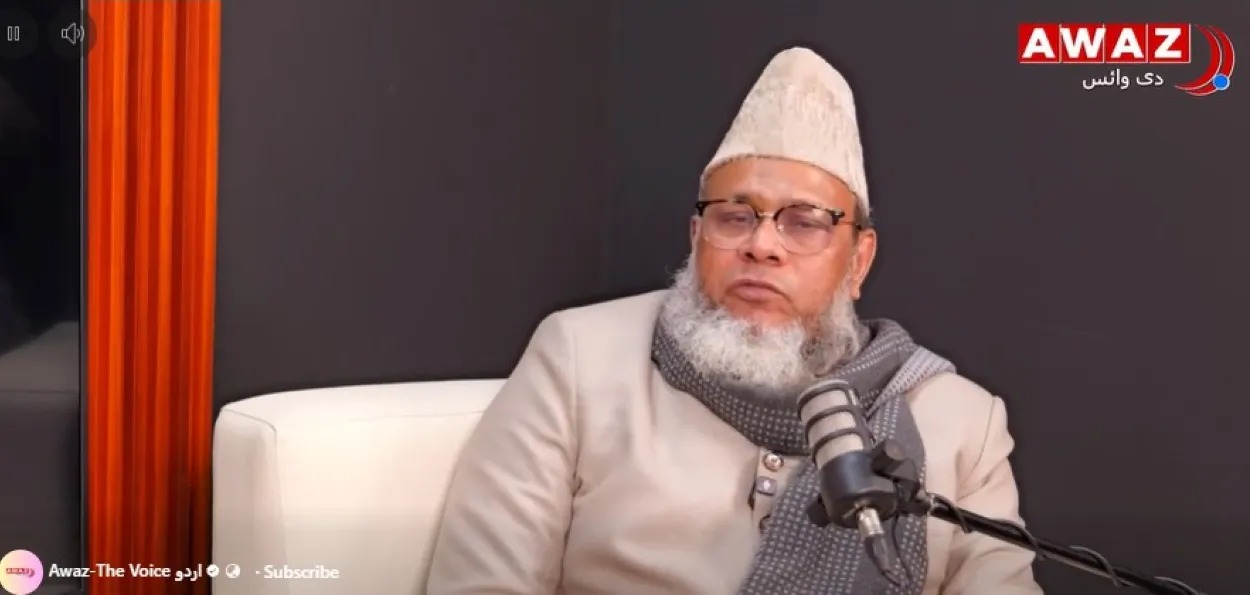
Mufti Afroz Alam Qasmi stated this during the podcast Deen aur Duniya with Awaz–The Voice. In conversation with Saqib Salim, he offered a detailed explanation of mehar, shedding light on its religious status, prescribed amount, modes of payment, and widespread misconceptions in society.
He emphasised that imams of mosques, religious scholars, and social organisations must actively spread awareness about the importance of mehar to ensure the protection of women’s rights.
Mehar Is a Right, Not a Gift
Mufti Afroz Alam Qasmi reiterated that mehar is not a voluntary gift but a compulsory right granted to a woman at the time of nikah. It is a binding financial obligation on the husband, intended to provide the woman with dignity, honour, and financial protection. Through mehar, a woman is ensured economic security from the very beginning of marriage, so she does not become dependent during times of hardship.
He explained that under Shariah, the minimum amount of mehar is fixed at ten dirhams, and anything less is not valid. According to the Sunnah of Prophet Muhammad, the mehar was around five hundred dirhams, commonly known as Mahr-e-Fatimi. Fixing mehar in accordance with the Sunnah, he said, is preferable and brings blessings.
Husband’s Financial Status
The Mufti stressed that the amount of mehar should be determined in accordance with the financial capacity of the husband. A wealthy man should offer mehar generously, while one with limited means should fix an amount within his capacity, while still adhering to the limits set by Shariah.
He explained that there are two types of mehar in terms of payment: prompt and deferred. Prompt mehar is paid at the time of nikah or immediately afterwards, and this method is preferred in Shariah. Deferred mehar is payable at a later stage, but it becomes obligatory to pay it immediately upon the woman’s demand.
A Mandatory Debt
Mufti Afroz Alam Qasmi rejected the misconception that mehar is payable only at the time of divorce. He clarified that mehar has no connection with divorce and is a mandatory debt that must be fulfilled during the husband’s lifetime. Forcing or pressuring a woman to forgive her mehar at the time of divorce or death, he said, amounts to oppression and injustice.
He further clarified that if a woman willingly and happily forgives her mehar without any pressure, fear, or coercion, such forgiveness may be considered valid. However, forgiveness obtained under compulsion is not recognised in Shariah.
The Mufti also dismissed the idea that teaching the Quran or acts of worship can be fixed as mehar. Acts of worship, he said, are personal deeds and cannot replace a woman’s financial rights. Mehar must have tangible monetary value.
Criticising the growing culture of dowry and extravagance, he noted that while lakhs of rupees are spent on lavish weddings, people often show reluctance in giving mehar, which is the woman’s rightful due. Islam, he said, strongly opposes this attitude and commands the full and honest fulfilment of women’s rights.
ALSO READ: Assam: Polygamy is a declining trend among Muslims
Mufti Afroz Alam Qasmi urged imams, scholars, and social organisations to spread awareness about the true importance of mehar so that women’s rights are protected and the genuine Islamic concept of nikah is established in society.
See the Podcast here:
_(1)_(1).webp "Jagannath Rath Yatra")










.webp)