Farhan Israeli/Ajmer
In Untada, a small village between Ajmer Sharif and Kishangarh in Rajasthan, a modest community initiative is quietly transforming the educational landscape. A library inside the village’s Jama Masjid, set up with public donations, has become a hub of learning for children and ignites aspirations in the youth
Named the Limra Education Muhim Library, the facility was launched in September 2023.
What began as a small effort has gradually evolved into a shared study space where students prepare for their academic and career goals, often studying late into the night. Residents have a plan to institutionalise the initiative by registering Limra Education Muhim Welfare and Charitable Trust, Untada.
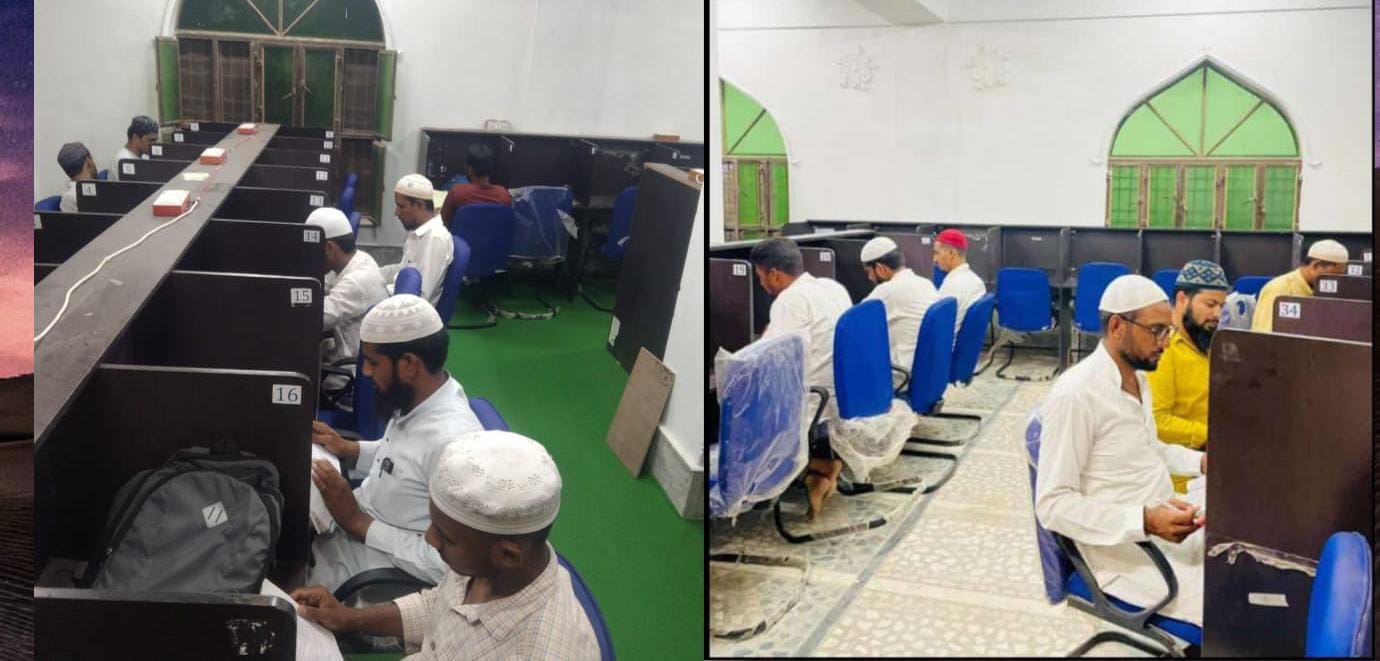
Despite limited resources, teachers, doctors and socially conscious residents of the village have come together to build and sustain the library. Their efforts have created an environment to inculcate discipline among students. Many of them today aspire to pursue higher education and competitive careers.
The library operates out of a 30×30-foot hall of the mosque on the first floor. Wooden and plywood partitions have been installed to create quiet corners for studying. The facility can accommodate around 34 students, with nearly 18 using it regularly. The library is open around the clock, allowing students to study at any time.
Designed primarily for students preparing for competitive examinations, the library houses books on general knowledge about Rajasthan and India, competitive exam material and cognitive development resources. Free Wi-Fi access enables students to attend online lectures and access digital study material. Many also bring their own books, turning the space into a community study hub.
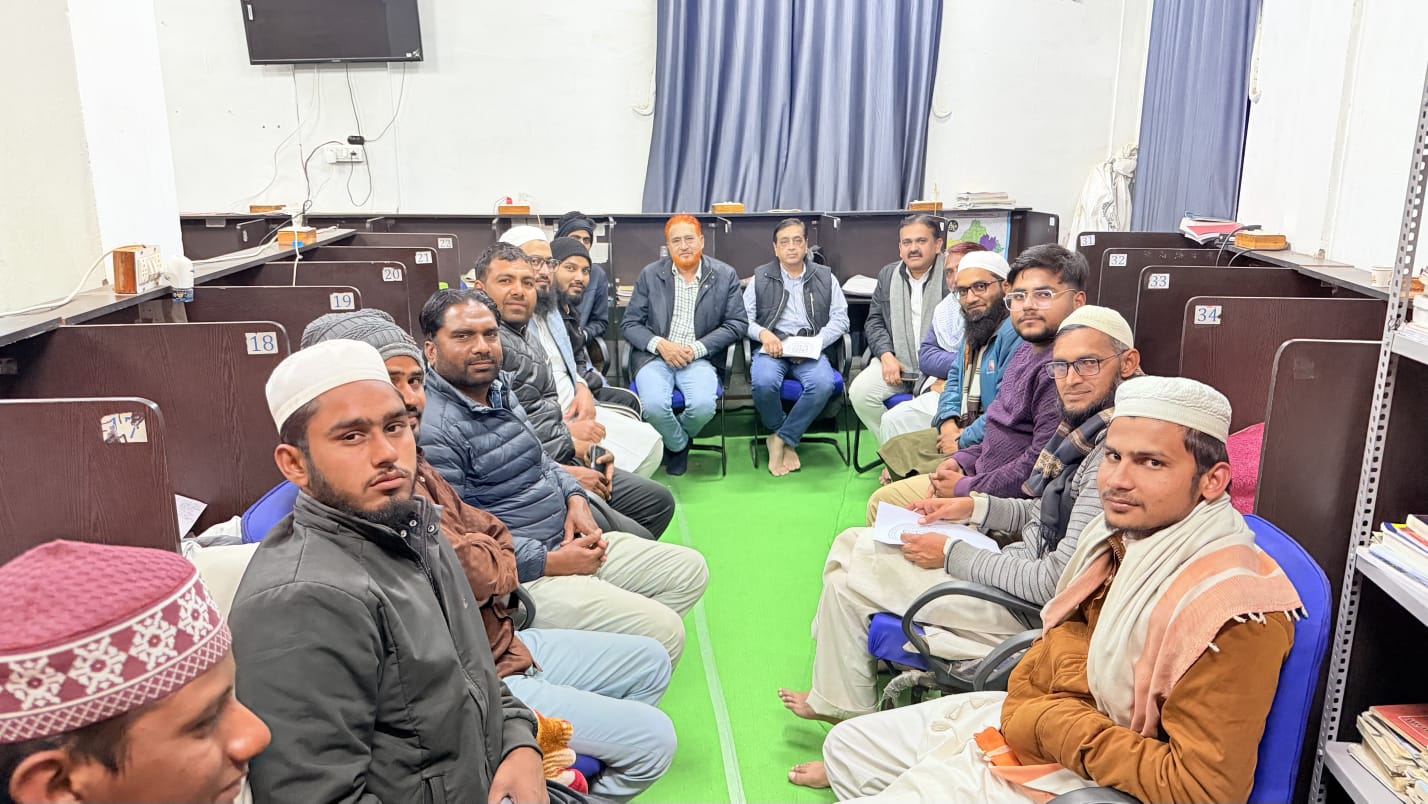
Villagers contributed voluntary amounts ranging from ₹500 to ₹5,000. Through these small contributions, about ₹2.5 lakh was raised to set up the facility.
The funds were used to convert the hall into a functional study space with tables, chairs, carpets, fans and electrical fittings. Power sockets were installed near each desk, while an inverter, computers, a television and CCTV cameras were also arranged. Internet connectivity was provided through Wi-Fi. The mosque committee supported the initiative by allowing the space to be used free of rent.
To cover operational costs, the library charges a nominal monthly fee—₹100 for board exam students and ₹200 for those preparing for competitive examinations. Students from economically weaker families are allowed to use the facility free of charge.
Although the initiative is relatively new, early signs of success have begun to appear. One student recently secured a Class-IV government job, which the committee views as an encouraging start.
The project is also set to expand. Resident and madrasa teacher Gul Mohammad has donated around 200 square yards of land for a dedicated library building. Once the trust registration is completed, the committee plans to construct a larger facility on the site.
A 12-member committee manages the library’s operations. Master Shafi Mohammed serves as president, Dr Wazir Mohammed as secretary and Dr Abdul Qadir as treasurer. Several teachers, doctors and social workers are also involved in running the initiative.
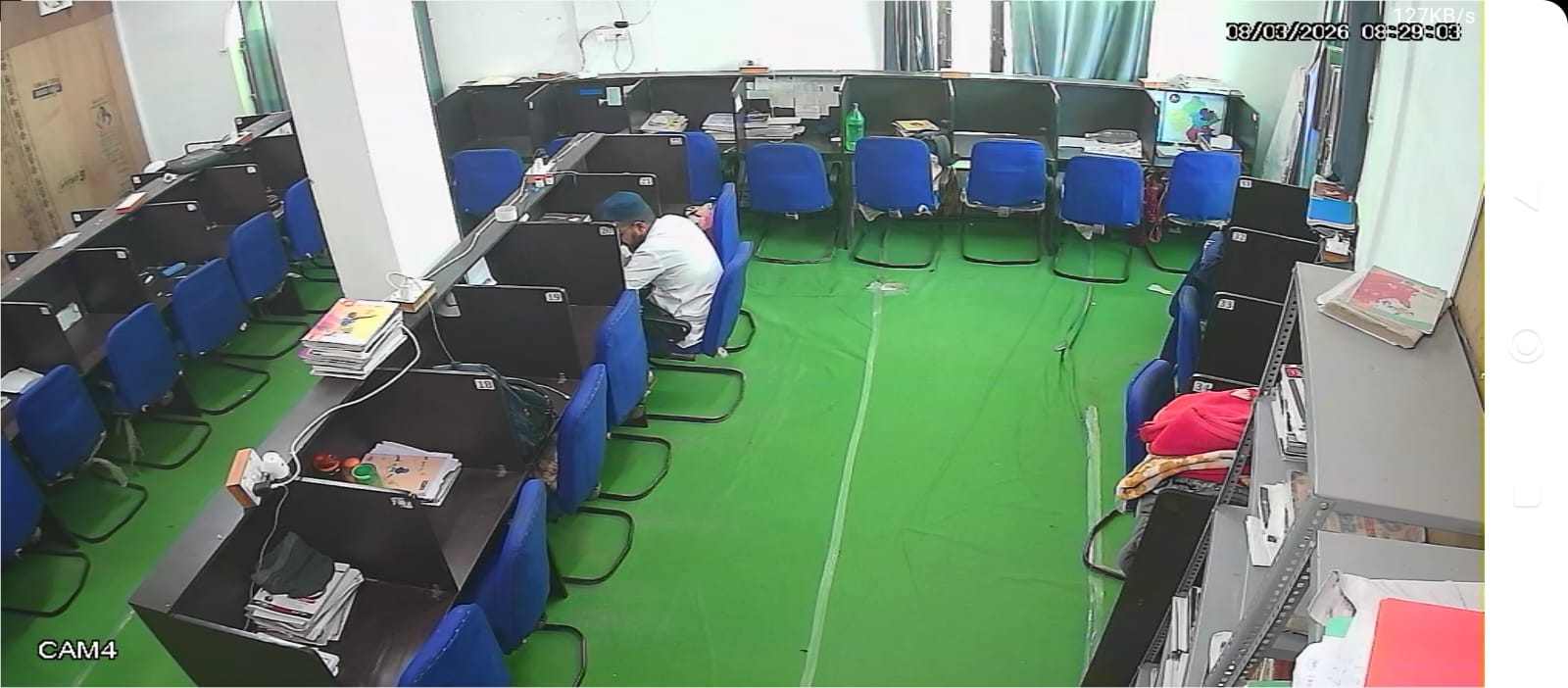
Untada, with around 1,200 households, is a Muslim-majority village. Yet this locally driven educational initiative is increasingly being seen as an inspiring model for surrounding areas. For many students who travelled to nearby towns for space to study, the library provided a quiet and accessible place.
ALSO READ: Islam not in conflict with democracy: Syed Mahmood Akhtar
What started in a small hall of a village mosque is gradually evolving into a beacon of hope—demonstrating how community participation and a shared commitment to education can open new opportunities for rural youth.


.webp "Representational Image")








_(1).webp)