 Manjit Thakur
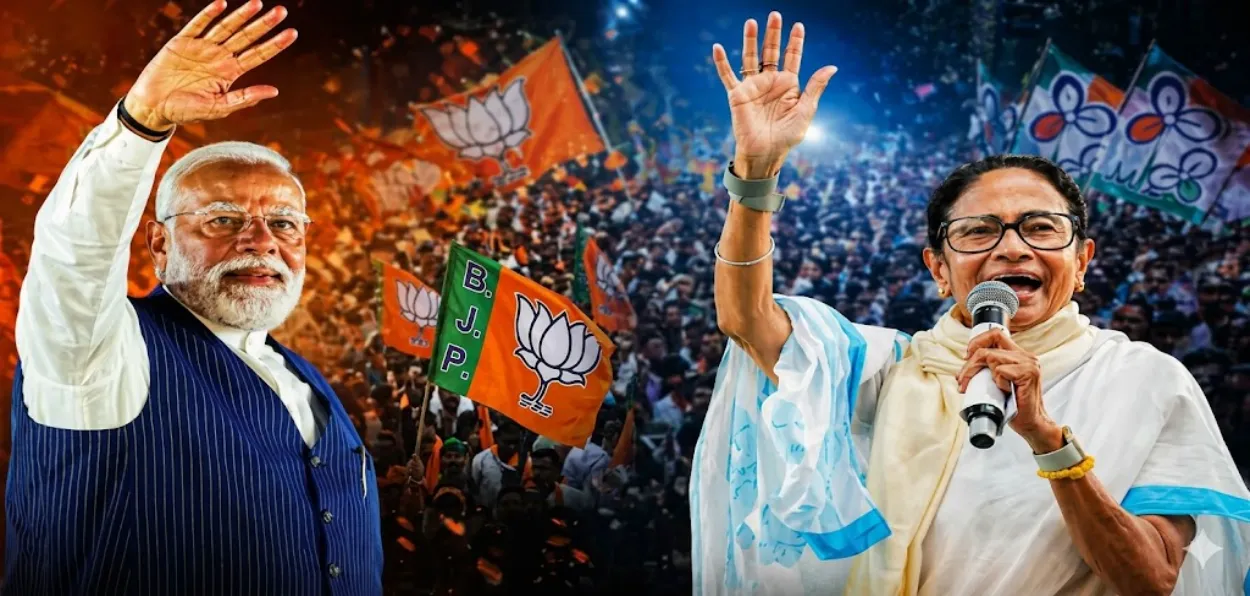
An unprecedented voter turnout of 92.9 per cent across 142 seats in the first phase of the 2026 West Bengal Assembly elections has pushed the political atmosphere to a fever pitch. Expectations are equally high for the second and final phase, which will decide the fate of another 142 constituencies. This region is the core stronghold of the Trinamool Congress (TMC) led by Chief Minister Mamata Banerjee, who is seeking a fourth consecutive term.
The stakes could not be higher. The surge in voter participation has confounded even seasoned political observers, making predictions unusually difficult.
South Bengal: TMC’s Citadel, BJP’s Big Test
The constituencies voting in this phase are spread across key districts, including Kolkata, Howrah, Hooghly district, North 24 Parganas, South 24 Parganas, Nadia and Purba Bardhaman district—regions that have historically formed the backbone of TMC’s electoral dominance.

In the 2021 Assembly elections, despite an aggressive campaign by the Bharatiya Janata Party (BJP), the TMC swept 123 of these 142 seats. The BJP managed just 18, while one seat went to its rival, the Indian Secular Front. The trend persisted in the 2024 Lok Sabha elections, with the TMC leading in 123 of these Assembly segments.
For the BJP, the challenge is not just to improve its tally, but to erode the very foundations of TMC’s dominance in what is widely seen as its “blue-ribbon” belt.
The Bhawanipur Showdown
One of the most closely watched contests is in Bhawanipur, in south Kolkata, where Mamata Banerjee faces her former confidant-turned-rival Suvendu Adhikari.
Adding a layer of complexity is the deletion of nearly 51,000 voters—around 21 per cent of the electorate—following a Special Intensive Revision by the Election Commission. The political implications of this revision remain a subject of intense debate.
Mamata Banerjee has responded with an unusually vigorous campaign. In addition to her traditional padayatras (foot marches), she has stepped up direct voter outreach, going door-to-door and engaging with communities across the constituency. Her outreach has included visits to Jain temples and Sikh gurdwaras, along with closed-door meetings with non-Bengali residents in apartment complexes.

She has framed the high voter turnout as a reflection of a larger “battle for rights,” warning in rallies that the BJP would implement the National Register of Citizens (NRC) if voted to power. She has also linked the revision of electoral rolls to this perceived threat, a narrative that appears to have resonated in minority-dominated and border areas.
BJP’s Counter-Narrative
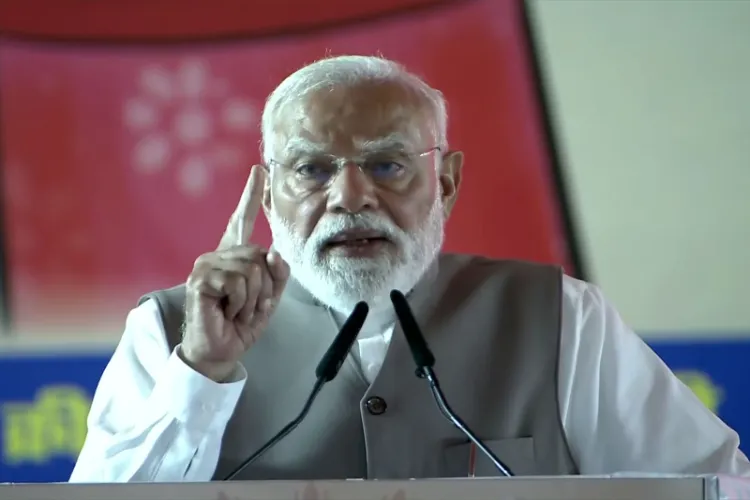
On the other side, Prime Minister Narendra Modi and Home Minister Amit Shah have anchored the BJP’s campaign around allegations of “appeasement” and “corruption.” Modi has interpreted the high turnout in the first phase as evidence of a “wave of change,” positioning the election as a contest between “development” and “appeasement.”
The BJP has also sought to leverage public outrage over the October 2024 incident at Kolkata’s R.G. Kar Hospital by fielding the victim’s mother as its candidate from Panihati. The move is aimed at challenging the TMC’s claims on women’s safety and could have a strong emotional appeal among urban middle-class voters.
Additionally, the party has fielded prominent faces such as Swapan Dasgupta from Rashbehari and Roopa Ganguly from Sonarpur South to consolidate urban support.
#WATCH | West Bengal Elections 2026 | Falta, South 24 Parganas: CAPF (Central Armed Police Forces) personnel conduct a search in Falta Assembly constituency, under the leadership of Ajay Pal Sharma - the election observer for the West Bengal polls.
— ANI (@ANI) April 28, 2026
TMC supporters gather outside… pic.twitter.com/YC38W2Sv1m
The Border Factor
The BJP is placing particular emphasis on 44 constituencies along the Bangladesh border, where it has campaigned on issues of “illegal infiltration” and “demographic change.” Amit Shah has accused the state government of failing to curb cross-border infiltration and has promised to make the border infiltration-proof within 45 days of coming to power.
In 2021, the TMC won 27 of these 44 seats, with the BJP securing the remaining 17—making this belt a key battleground once again.
High Stakes for TMC Leadership
Several senior TMC leaders face crucial contests in this phase, including Kolkata Mayor Firhad Hakim (Kolkata Port), Chandrima Bhattacharya (Dum Dum North), Shashi Panja (Shyampukur), Arup Biswas (Tollygunge), Bratya Basu (Dum Dum), and Sujit Bose (Bidhannagar).
TMC national general secretary Abhishek Banerjee has claimed that the party has already crossed the 100-seat mark, suggesting growing anxiety within the BJP camp. BJP leaders, however, project confidence, arguing that Amit Shah’s strategic push has given the party an edge.
The Final Countdown
On the last day of campaigning, Prime Minister Modi struck a confident note, saying he would return to Bengal only for the swearing-in ceremony. Whether this is confidence or political posturing will soon be tested.
The second phase is more than just an electoral contest—it represents a clash of narratives and ideologies. The TMC is banking on consolidating its traditional support base, while the BJP is attempting to breach what has long been considered an impregnable fortress.
This video made me a bit emotional. Kudos to our brave women and men in all security forces. They protect the country, its integrity, and its democracy in a cut-throat way, yet show so much compassion when needed. pic.twitter.com/ezVGL3tEXj
— Aravind (@aravind) April 28, 2026
The central question remains: does the record turnout signal a power shift, as the BJP claims—echoing the political upheaval of 2011? Or is it a response to Mamata Banerjee’s call for a “battle for rights”? Or could it partly be the result of electoral roll revisions removing ineligible or deceased voters?
The answer may lie in a combination of all these factors.
ALSO READ: West Bengal Polls: In first phase, 152 seats outcome crucial for Mamata, BJP
As South Bengal votes across 142 constituencies on April 29, the verdict will begin to take shape. When the results are declared on May 4, it will become clear whether voters have chosen the BJP’s promise of “development and security” or the TMC’s pitch for the protection of “identity and rights.”
The author is Editor, Awaz-the Voice, AV, and author of 'Bengal mein BJP '(BJP in Bengal) published by Penguine Swadesh








.webp "Prime Minister Narendra Modi")
.webp "Railway Minister Ashwini Vaishnaw")