New Delhi
Amid disruptions in global energy supplies triggered by the ongoing West Asia conflict, the Centre has permitted the temporary distribution of kerosene through the public distribution system (PDS) in 21 states and Union Territories, including those previously declared kerosene-free.
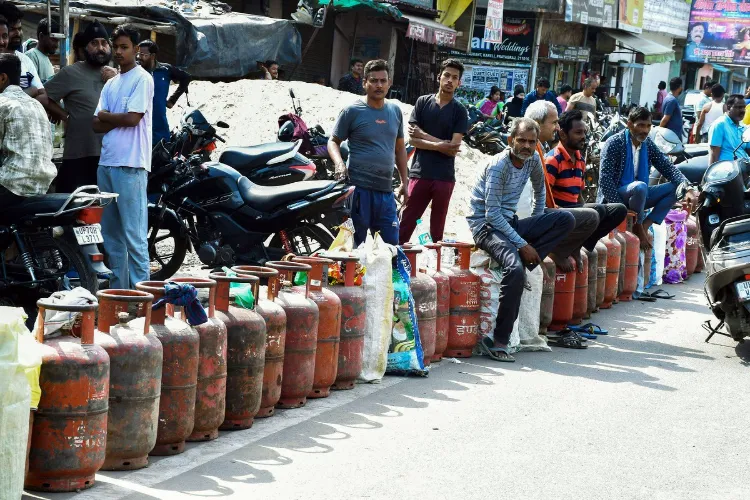
The decision comes as shortages of LPG intensify due to supply chain disruptions. India depends heavily on imports for cooking gas, sourcing nearly 85–90 per cent from Gulf nations. With supplies affected by the conflict, availability has been curtailed, especially for commercial establishments such as hotels and restaurants. While households continue to receive priority, limited stock has led to panic buying and long queues in several areas.
To ease the burden, the Ministry of Petroleum and Natural Gas issued a notification allowing temporary exemptions under the Petroleum Act, 1934 and Petroleum Rules, 2002. These exemptions enable wider storage and distribution of kerosene for cooking and lighting needs.
Under the new provisions, up to two designated public sector oil marketing company stations per district will be allowed to store up to 5,000 litres of kerosene, subject to safety norms. Additionally, agents and dealers will not require licences for decanting kerosene at these designated outlets, and tank vehicles with existing permits will be allowed to operate without fresh approvals.
The relaxation, however, comes with strict compliance requirements. Authorities have mandated adherence to safety guidelines issued by the Petroleum and Explosives Safety Organisation, along with proper maintenance of records related to storage and distribution for inspection purposes.
The order, which took effect immediately following a March 29 gazette notification, will remain in force for 60 days or until further notice.
States and Union Territories covered under the move include Delhi, Punjab, Haryana, Uttar Pradesh, Rajasthan, Madhya Pradesh, Gujarat and Goa, among others.
READ MORE: Alfiya Pathan: The rising boxing Star from Nagpur, aspiring to be the Next Mary Ko
The government said the step is aimed at ensuring uninterrupted access to basic energy needs for households during the current geopolitical crisis.


.webp "Justice Poonam A. Bamba with Captain Amarinder Singh")







.webp "Finance Minister Nirmala Sitharaman")

.webp)

.webp)