Vidushi Gaur/ New Delhi
A retired judge has authored a new book that brings history, architecture, and institutional memory into a single narrative. “Patiala House: Palace to Seat of Justice” by Justice Poonam A. Bamba offers a richly layered account of the iconic Patiala House, tracing its journey from a princely residence to a modern-day judicial hub.
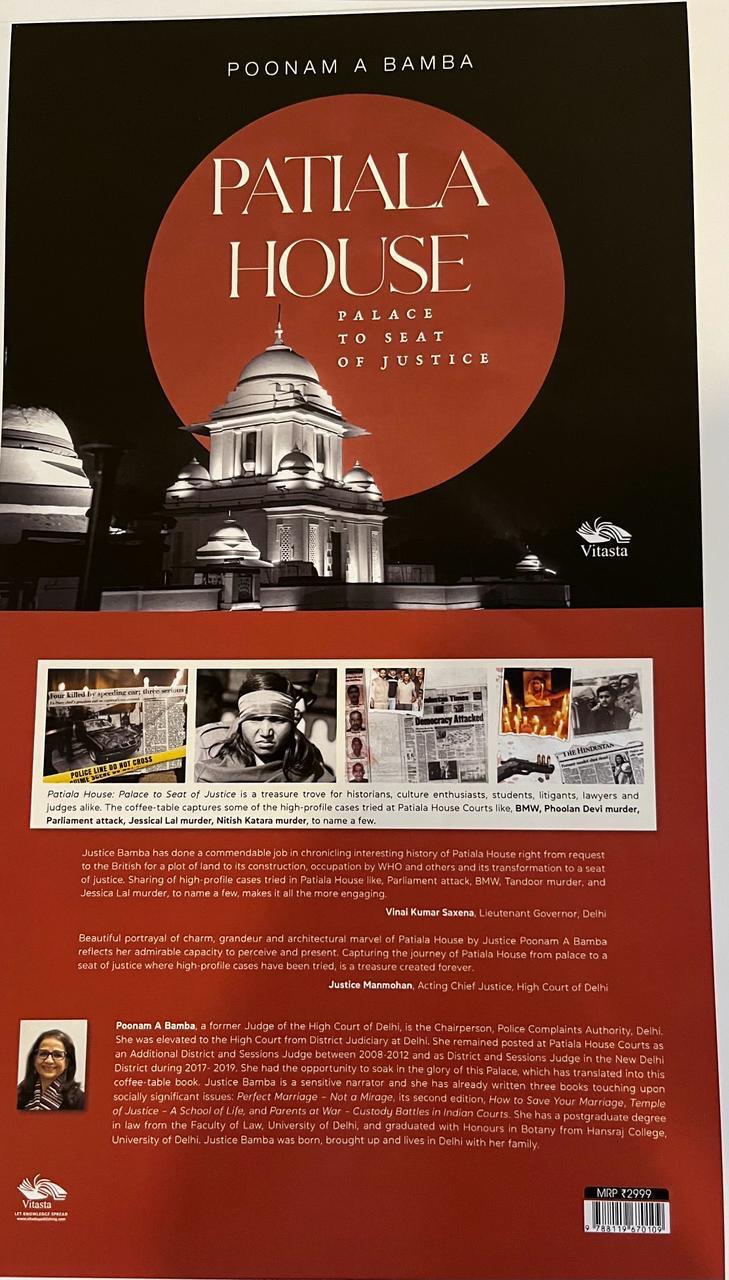 Book “Patiala House: Palace to Seat of Justice” by Justice Poonam A. Bamba
Drawing on archival material, oral histories, and visual documentation, Justice Bamba reconstructs the story of Patiala House with meticulous attention to detail. The work goes beyond a conventional historical account, presenting a compelling narrative of continuity instead. The structure, once a symbol of regal authority, now stands as a pillar of the legal system, yet retains its architectural grandeur and cultural resonance.
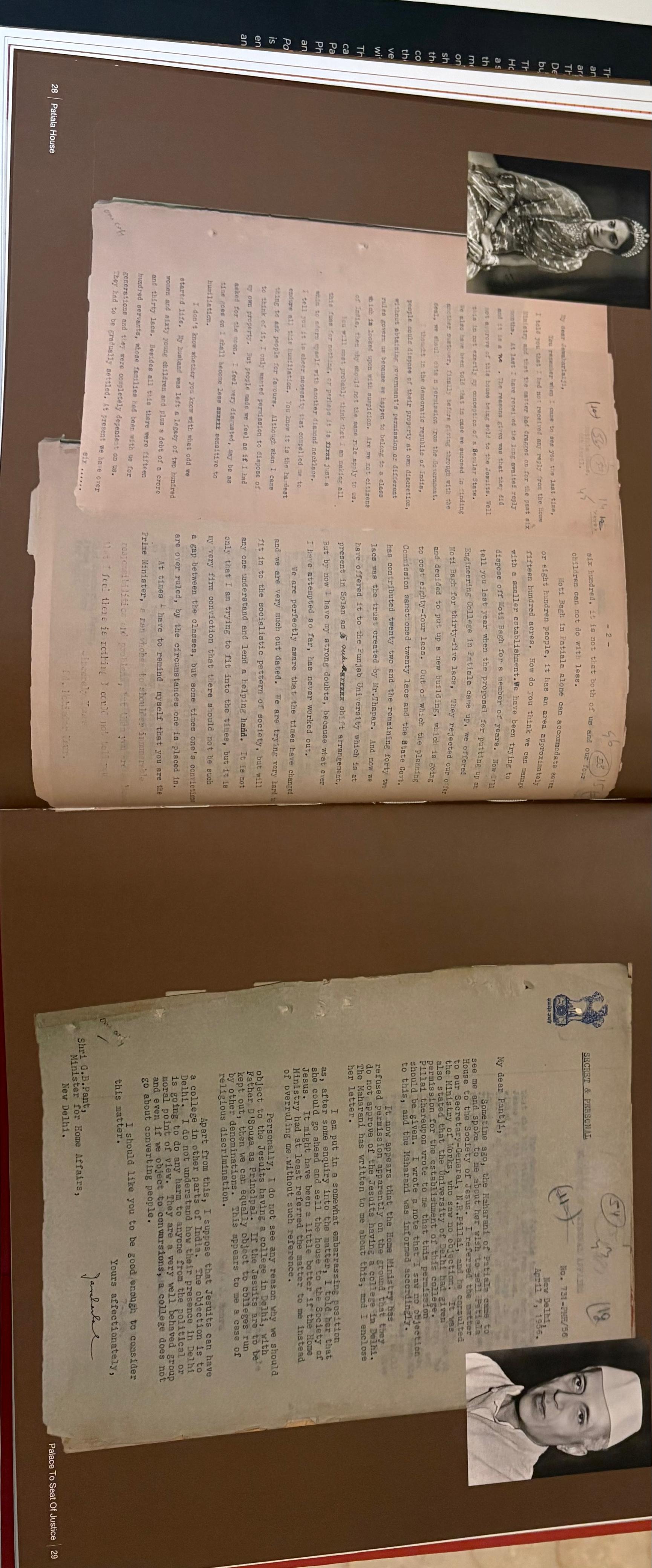 Primary source material used in the book
“I was posted there as a judge for three terms, that totals to more than six years. The architecture is still standing; the chamber still has a fireplace, of course, not functional, and the district court judge’s room also made the judge feel like royalty. The beauty was immense,” she said. Her reflections highlight the unique experience of working within a space that bridges two worlds—one of opulence and the other of law.
 The Patiala House
She further noted that the inspiration behind the book stemmed from a sense of neglect toward the building’s story. “I feel that nobody noticed the story and the beauty of the palace. Every place has a story that nobody noticed. This book is kind of my gratitude towards this place that gave me an embracing experience,” she remarked. This sense of gratitude is evident throughout the book, which seeks to preserve not just facts but the spirit of the place.
.jpeg) A corridor in Patiala House
A corridor in Patiala House
She incorporated oral histories alongside primary archival sources, creating a narrative that is both factual and human. “I have used oral history in my book. In 1957, Captain Amarinder Singh’s aunt stayed here, and I have mentioned her oral history. Otherwise, I have taken all the primary source materials from the National Archives, New Delhi,” she explained.
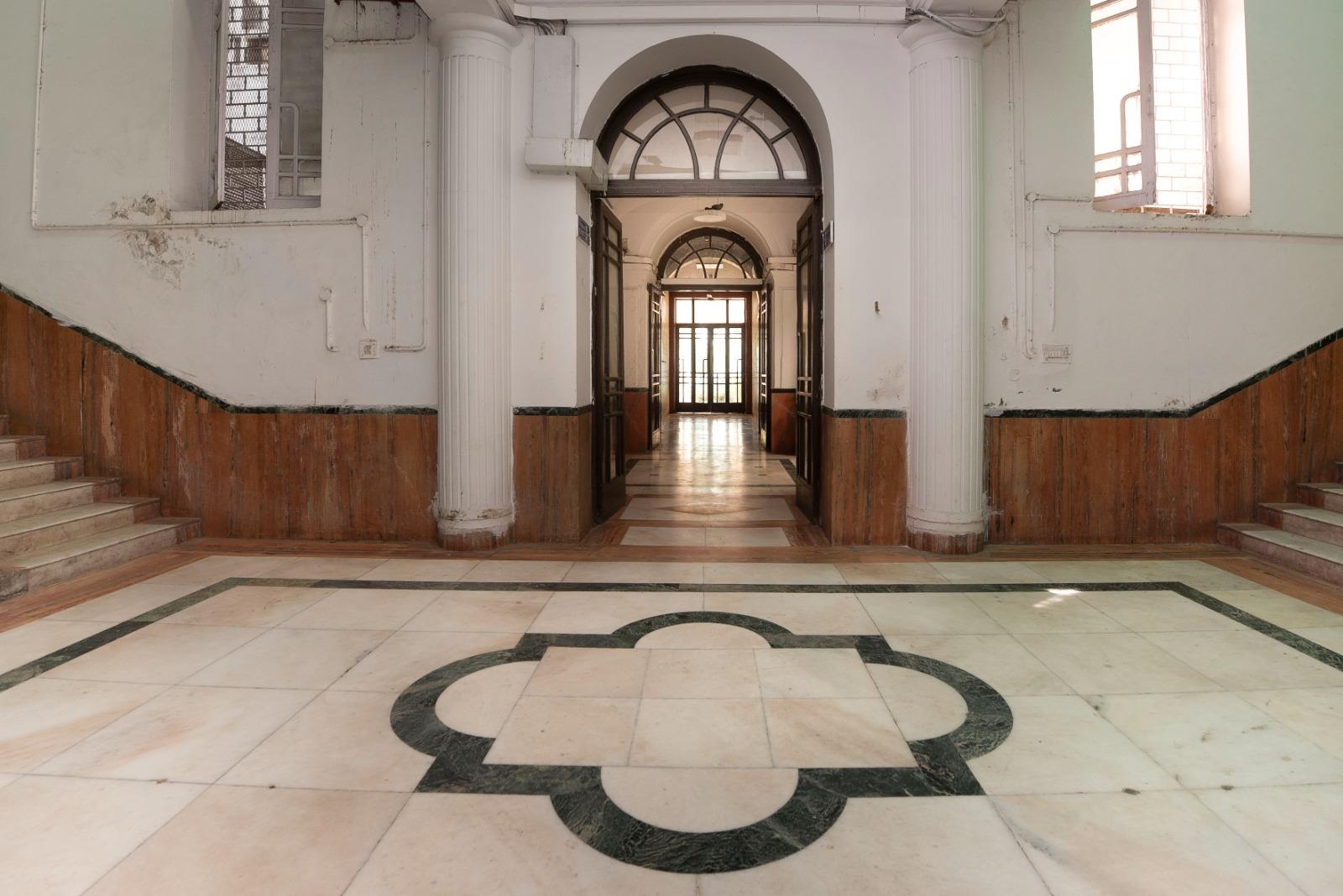 The Patiala House from the inside
A distinctive feature of the book is its structure. Divided into two parts, the first examines Delhi’s historical context, including the allocation of 34 plots to princely states, while the second focuses on 15 significant trials conducted at Patiala House, reflecting its evolution into a judicial landmark. “My observation is that Patiala House is very different from other princely states,” Justice Bamba noted.
 Justice Bamba with Chief Guest Captain Amarinder Singh at the book launch
The book was formally launched on March 27, 2026, in Chandigarh, in an event that brought together prominent figures from diverse fields. The occasion was graced by Chief Guest Captain Amarinder Singh, a former Member of Parliament, military veteran, and noted historian. In his address, he shared personal anecdotes about his time connected to the palace, adding a deeply human perspective to its storied past. His reflections complemented the themes of the book, emphasising the enduring significance of Patiala House.
 Justice Bamba with Justice S. S. Saron at the book launch
Renu Kaul Verma, Managing Director and Publisher, also spoke at the event, highlighting the collaborative effort behind the publication. She commended Justice Bamba’s dedication and discipline in bringing the project to fruition, describing it as a labour of passion and precision.
READ MORE: How a Madrasa student discovered shared legacy of Ram at Ayodhya
The launch was attended by an esteemed gathering of dignitaries, including members of the legal fraternity such as judges and lawyers. The event concluded with a warm and gracious lunch hosted by Captain Amarinder Singh, creating an intimate setting for meaningful conversations and reflections.