Kolkata
The Darjeeling Tea Association has warned that production of Darjeeling tea could decline further due to the possible non-availability of industrial LPG, raising concerns about supply disruptions to tea factories in Darjeeling district.
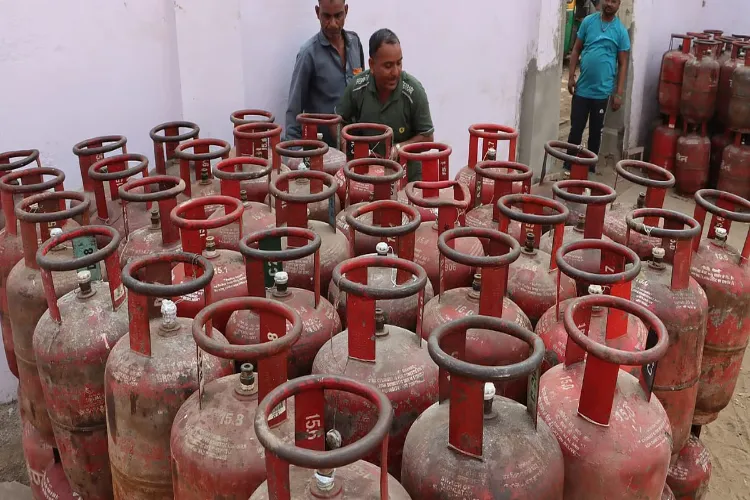
In a recent letter to the deputy chairman of the Tea Board of India in Kolkata, the association referred to a communication from the Ministry of Petroleum and Natural Gas directing public sector oil marketing companies to ensure that LPG procured by them is supplied and marketed only to households.
The association cautioned that such a directive could lead to a shortage of industrial LPG for tea estate factories, directly affecting the manufacture of Darjeeling tea and the livelihoods of around 55,000 permanent workers and their families.
“The members of this association request to use your good offices with the concerned ministry to ensure uninterrupted supply of industrial LPG to the factories of the Darjeeling tea industry,” the letter said.
The association noted that most Darjeeling tea estates had transitioned from coal-fired systems to industrial LPG in their factories over the past decade.
The warning comes at a difficult time for the Darjeeling tea industry, which has been facing a prolonged production crisis. Output has fallen sharply from about 14 million kg in 1990 to less than 6 million kg in recent years, with both 2024 and 2025 recording historic lows.
Data for January–November 2025 showed a further decline of 8.79 per cent compared with the same period in 2024.
Industry sources also highlighted structural challenges affecting the sector. Cheaper tea imports from Nepal, often with similar characteristics, have entered the domestic market, leading to stagnation in prices for certified Darjeeling tea.
Analysts have also pointed to insufficient bush replacement in plantations as another factor behind the continued fall in output, suggesting that ageing tea bushes have not been adequately rejuvenated.
READ MORE: Women cops and social workers join hands to host Iftar for women
Experts said any disruption in industrial LPG supply during the first flush season—when the tea commands the highest premium in global markets and is largely exported—could further hurt an industry already struggling to stabilise production.