Eman Sakina
As the month of Ramadan moves toward its final days, a special spiritual atmosphere begins to settle among Muslims around the world. The last ten nights of Ramadan hold a deep and unique significance in Islam. They are not merely the closing chapter of the fasting month but its most precious and spiritually rewarding moments. During these nights, believers increase their devotion, hoping to draw closer to Allah and seeking the immense blessings hidden within them.
Friday Musings
Laylat al-Qadr, often translated as the Night of Decree or the 'Night of power' is one of the last 10 nights of Ramzan. The Qur’an describes this night as being “better than a thousand months,” meaning that the worship performed during it carries rewards far beyond ordinary nights. Although the exact night is not definitively known, it is widely believed to fall within the odd nights of the last ten days. This uncertainty encourages believers to remain consistent in their worship throughout all these nights rather than focusing on just one.
The example of Prophet Muhammad provides the best guidance for how Muslims should approach this sacred period. Historical narrations describe how he would increase his worship during the last ten nights, spending much of the night in prayer and devotion. He would also encourage his family members to wake up and participate in these acts of worship. This shows that the last ten nights are meant to be a time of collective spiritual renewal within households and communities.
One of the most important ways to benefit from these nights is through qiyam al-layl, the voluntary night prayer. Standing in prayer during the quiet hours of the night allows a person to reflect deeply and reconnect with their Creator. The stillness of the night creates an environment where distractions are minimal, and sincerity becomes easier. Even a few extra units of prayer performed with concentration and humility can have a profound spiritual impact.
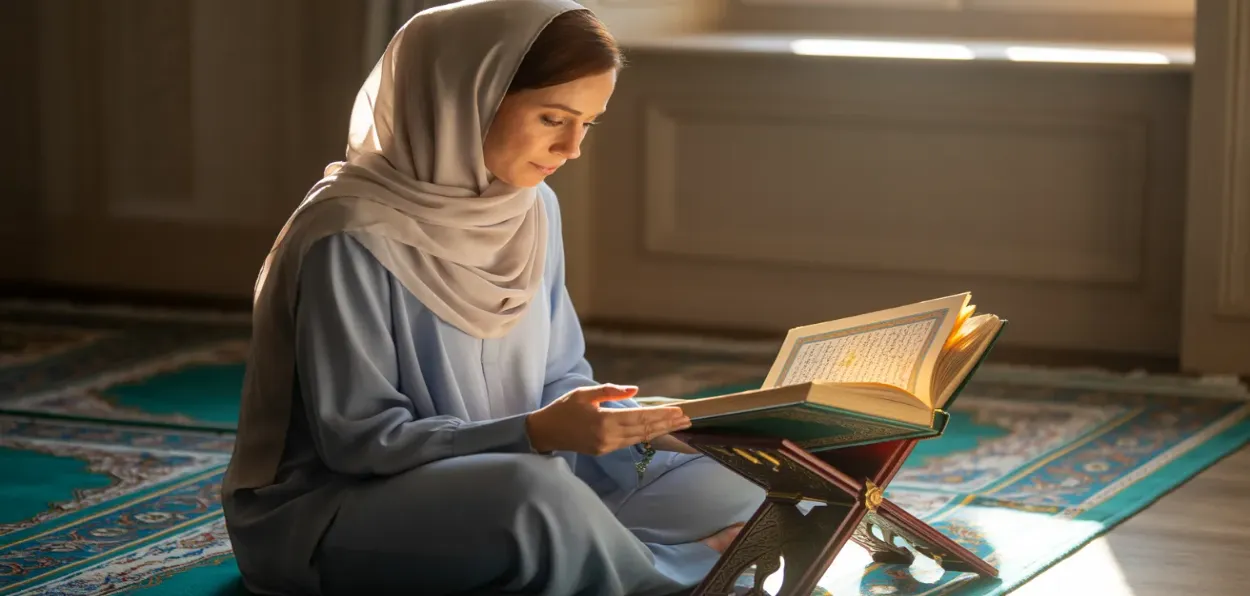
Recitation of the Qur’an is another powerful way to spend these nights. Ramadan is often called the month of the Qur’an because it was during this time that the first revelation was sent down. Many Muslims strive to complete the recitation of the entire Qur’an before the month ends. However, beyond completing a certain number of pages, it is important to reflect on the meanings and messages within the verses. Reading slowly, pondering the lessons, and applying them to daily life makes the experience far more meaningful.
Supplication, or dua, also holds a special place during the last ten nights. These are moments when believers open their hearts before Allah, asking for forgiveness, guidance, and blessings for themselves and others. One of the well-known supplications recommended during these nights is: “O Allah, You are Most Forgiving, and You love to forgive, so forgive me.” Such prayers remind Muslims that Ramadan is not only about discipline but also about mercy and renewal.
Charity and acts of kindness should also increase during these nights. Giving to those in need, supporting charitable causes, or helping someone quietly and sincerely are all ways of earning great reward. In many communities, people choose these nights to distribute zakat or voluntary charity, hoping that their generosity coincides with the blessed Night of Power.
Another meaningful practice associated with the last ten nights is i‘tikaf, a spiritual retreat in the mosque. During i‘tikaf, a person dedicates their time entirely to worship, reflection, and remembrance of Allah. While not everyone can participate in a full retreat due to work or family responsibilities, the spirit of i‘tikaf can still be observed by reducing distractions, limiting unnecessary social activities, and focusing on spiritual growth.
Equally important is the act of self-reflection. Ramadan offers an opportunity to evaluate one’s habits, character, and relationship with Allah. The last ten nights serve as a final chance to strengthen good habits and let go of negative ones. A believer might ask themselves: What changes have I made this Ramadan? Which habits should continue even after the month ends? Honest reflection can turn Ramadan from a temporary spiritual boost into a lasting transformation.
Managing time wisely is essential during these nights. Many people balance work, family responsibilities, and worship, which can feel overwhelming. Planning, such as taking short rest periods during the day, preparing simple meals for iftar, and setting realistic worship goals, can help maintain both physical energy and spiritual focus.
Most importantly, the last ten nights should be approached with sincerity rather than pressure. Islam does not demand perfection but encourages consistent effort. Even small acts of worship performed regularly and with a sincere heart are beloved to Allah. What matters most is the intention and the desire to seek His closeness.
As Ramzan draws to an end, the last ten nights remind Muslims that every moment is an opportunity for renewal. They are a time for prayer, reflection, generosity, and hope. By embracing these nights with dedication and humility, believers can conclude the month with hearts that feel lighter, stronger in faith, and more connected to their Creator.
ALSO READ: Top nutritionist Rujuta Diwekar's food tips for last days of Ramzan
In the end, the true success of Ramadan is not only in fasting during the day but in allowing its lessons to shape one’s life long after the month has passed. The last ten nights serve as a final invitation to deepen that transformation and carry the spirit of Ramadan into the rest of the year.












.webp)