Hena Ahmed
A quiet anticipation spreads through the narrow lanes of Zakaria Street as the sun dips behind the bustling skyline of Kolkata. The aroma of charcoal smoke, simmering meat stews, and sweet syrupy desserts begins to drift through the air.
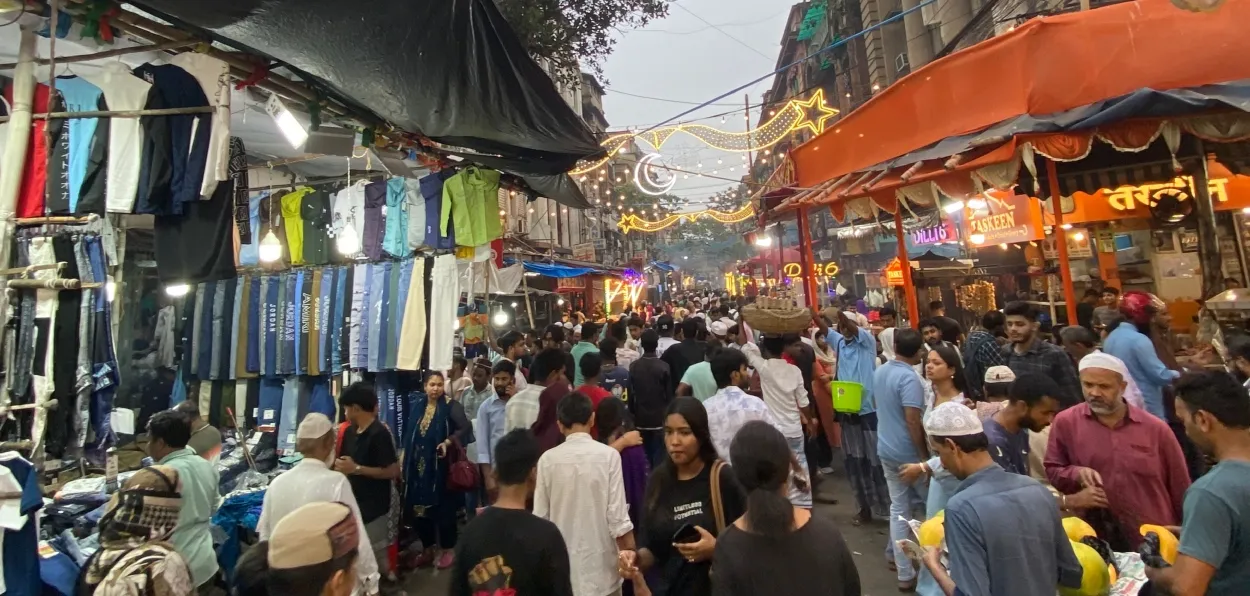
The historic stretch near Nakhoda Mosque, Kolkata’s largest and most iconic mosque, known for its grand red sandstone architecture and as the spiritual heart of the city’s Muslim community, transforms into one of the city’s most vibrant culinary destinations in the hours leading up to sunset during Ramadan.
Yousuf Salim, a Kolkata food lover and resident of Zakaria Street, feels, “The iftar scene here is not just about breaking the fast, it is a sensory celebration of community, culture, and centuries-old culinary traditions.
By late afternoon, crowds begin to gather along Zakaria Street. Families, office-goers, food bloggers, and curious visitors move between rows of stalls preparing for the evening rush. During Ramadan, more than a hundred temporary food stalls appear alongside the area’s permanent eateries, turning the street into a sprawling open-air food bazaar.”
As the call to prayer echoes from the Nakhoda Mosque, the first dates are eaten, and glasses of sherbet are lifted. Within minutes, the narrow lanes burst into life as people begin their long-awaited iftar meal.
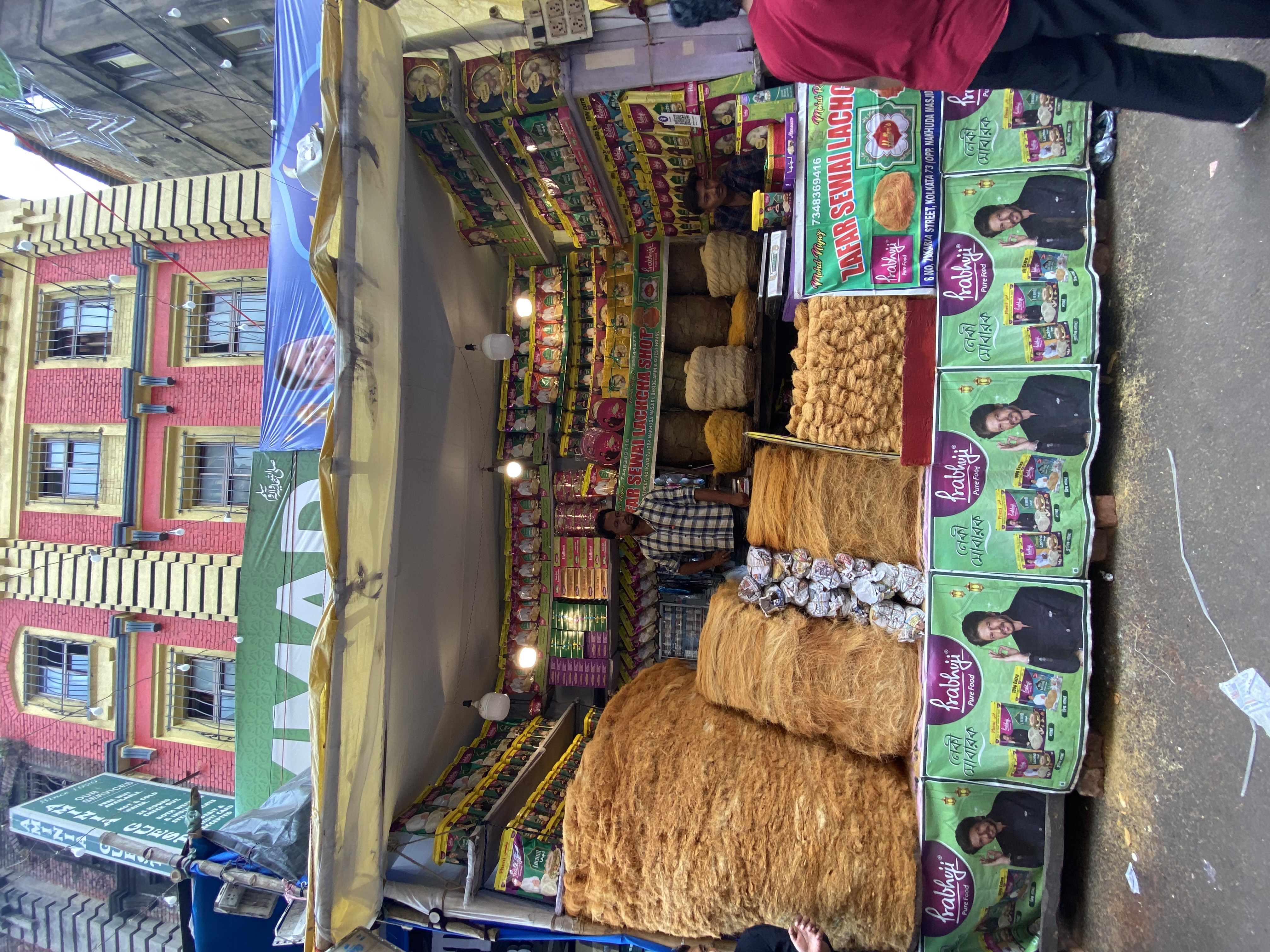 A local bakery
The true magic of Zakaria Street lies in its food. Inspired by Mughlai, Awadhi, and Bengali Muslim culinary traditions, the dishes here are rich, indulgent, and deeply comforting.
The most iconic item is haleem, a slow-cooked stew of meat, wheat, lentils, and spices that simmers for hours in giant metal cauldrons. Restaurants like Sufia draw long queues for their signature haleem, which often sells out by iftar time.
Alongside it, sizzling kebabs dominate the street. Skewers of boti kebabs, suta kebabs, and malai kebabs roast over glowing charcoal, sending waves of smoky fragrance through the crowd.
Other Ramadan staples include Mutton biryani, chicken chaap, Sheermal and bakarkhani breads, Falooda and lassi, Battisi halwa and gulab jamun, Fresh fruits, fritters, and sherbets.
For Tauseef Ahmed, a businessman, “This is my fourth visit, and I am here to have 'mohabbat ka sherbet,' a bright pink milk-based drink, after tasting a few kebabs. I intend to pack the mouthwatering Sheermal and breads for my family members to eat.”
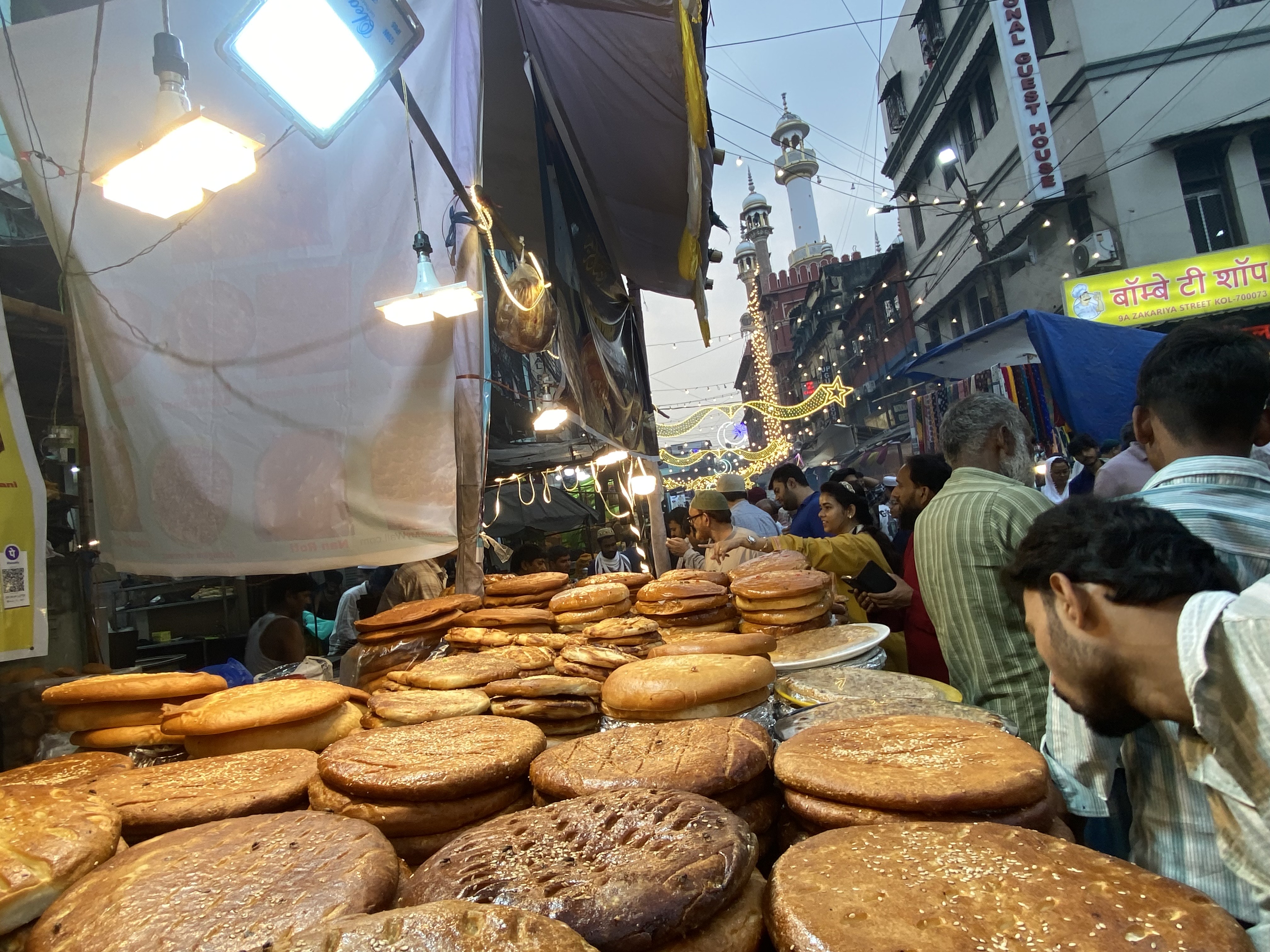 Special items made at a local Bakery during Ramzan
What makes Zakaria Street special is not only the food but also the atmosphere. While the area traditionally catered to worshippers visiting the mosque for Ramadan prayers, today it attracts people from every community across Kolkata.
For many Kolkatans, a visit to Zakaria Street during Ramadan has become an annual ritual — as essential as Durga Puja pandal hopping. Pintu Ghosh, an IT professional, says, “ I like to stroll through the stalls and sample desserts. We often end up in debates within our groups of friends about which kebab shop is the best.”
Unlike most street markets, Zakaria Street does not quiet down after dinner. The stalls stay open until the early hours of the morning to serve sehri, the pre-dawn meal before the next day’s fast begins.
“Although the Sehri (pre-dawn meal) scene around Zakaria Street in Kolkata is quieter than the bustling iftar crowds, it is equally rich in flavour. Many eateries and street vendors stay open through the night so people finishing prayers at Nakhoda Mosque can have a hearty meal before the fast begins.
“I am here to have Nihari with khamiri roti – a slow-cooked beef or mutton stew, very popular for Sehri because it is filling”, says Sameera Jawed, a school teacher.
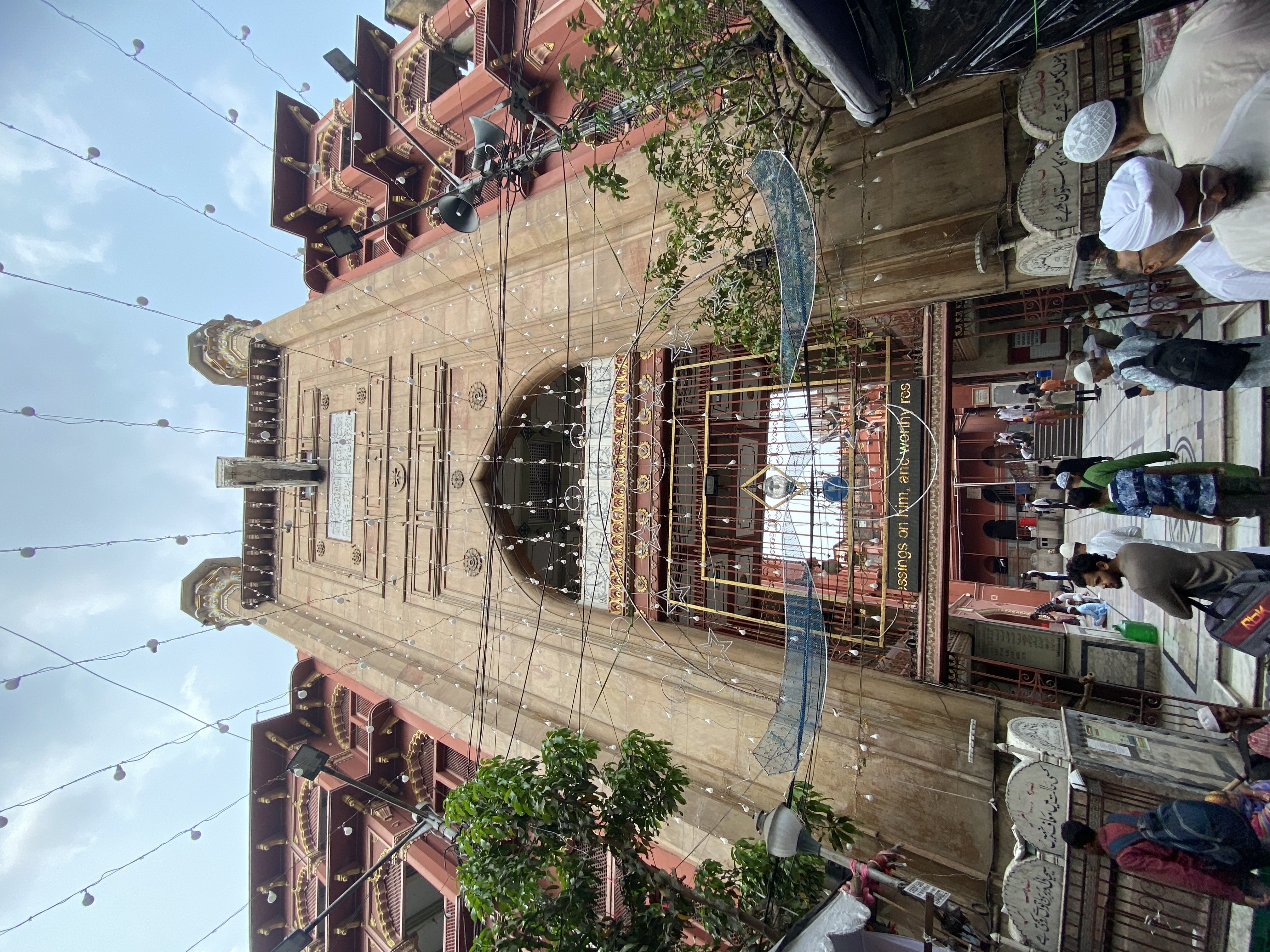 Nakhoda Mosque
During Ramadan, several popular food brands and cafes across Kolkata curate special iftar combos that make breaking the fast both convenient and satisfying. Restaurants such as Aminia, Mann-o-salwa, Zeeshan, Haji Sahab, Riyast-e-hind, and Elahi Luxury dining, among others, introduced festive meal boxes and platters featuring Ramadan favourites.
Served at its Chandni and citywide outlets, Aminia’s Ramzan combos bring together protein-rich haleem, savoury kebabs, and refreshing drinks — a wholesome spread designed to nourish and satisfy fasting people after sunset.
ALSO READ: How to make the most of the last ten nights of Ramzan
Mohammad Azhar, chairman of Aminia Hospitality Pvt Ltd., says, “We kept in mind the local flavours and curated the popular menu. These combos often include haleem, biryani, kebabs, samosas, and cooling beverages, offering a hearty spread that reflects the rich Mughlai flavours Kolkata’s Ramadan food scene is known for.”
In Kolkata, the heart of the celebration beats in Zakaria Street amid clouds of kebab smoke and the hum of evening prayers. The city’s diverse communities come together around one simple idea — that food, shared at the right moment, can bring people closer than anything else. This is the real flavour of iftar on Zakaria Street.









.webp)