New Delhi
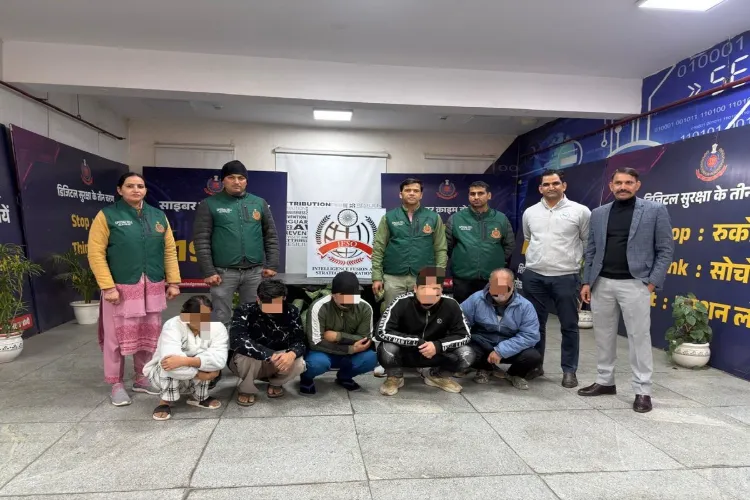
In one of the most sophisticated cybercrime investigations in recent years, the IFSO Unit of the Delhi Police Special Cell has dismantled an international cyber fraud syndicate that used fear, terrorism narratives, and advanced telecom manipulation to extort citizens across India.
Since September 2025, victims nationwide received calls from fraudsters impersonating Anti-Terrorist Squad officers, particularly from Uttar Pradesh, accusing them of links to terror attacks such as the Pahalgam and Delhi blasts. Citizens were threatened with immediate arrest and subjected to a so-called “digital arrest,” a psychological tactic designed to coerce instant monetary transfers.
Investigators uncovered that the syndicate used SIMBOX systems and low-frequency 2G networks to mask international calls as domestic Indian numbers. Calls were routed from foreign countries, especially Cambodia, with IMEI numbers of devices rotated and overwritten to evade detection. Despite these challenges, the IFSO Unit located four active SIMBOX installations in Delhi, leading to a decisive raid.
Further investigation revealed an extensive international conspiracy. Taiwanese national I-Tsung Chen, who controlled the SIMBOX network remotely, was arrested on December 21 at Delhi International Airport. Chen was identified as part of a larger Taiwan-based organized crime network led by Shang-Min Wu. The operation was allegedly coordinated with a Pakistani handler, who provided funding, equipment, and technical guidance, while a Nepal-based group provided operational oversight.
The syndicate’s network also included training and recruitment hubs in Cambodia and technical support from Chinese nationals, indicating a multi-country command-and-control structure. Thousands of complaints across India were linked to this network, exposing a cybercrime operation that combined telecom fraud, psychological manipulation, and foreign coordination.
ALSO READ: Mahmud Akram: the boy who knows 400 languages
This case highlights the growing threat of cross-border cybercrime and the sophisticated tactics used to exploit citizens under the guise of national security.














.webp "Home Minister Amit Shah")