New Delhi
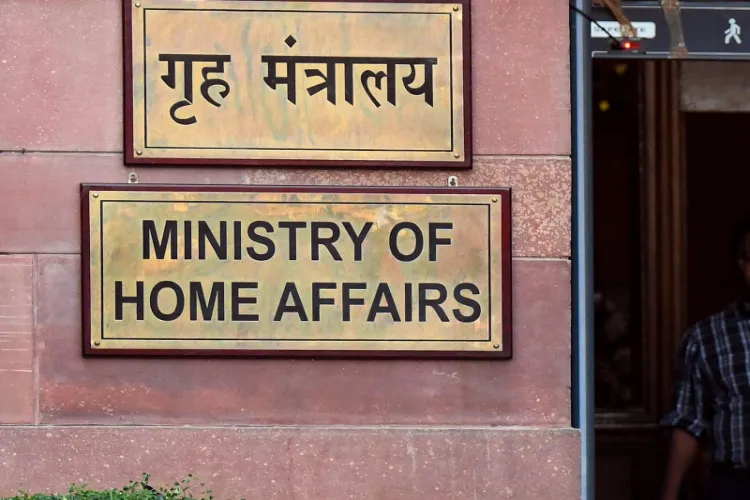
The Union Home Ministry has said that demographic changes caused by illegal migration are no longer restricted to border districts and are now affecting urban centres, industrial belts, tribal regions and other socially and economically sensitive areas across the country.
The observation was made in a government notification issued after the constitution of a High-Level Committee on Demographic Changes (HLCDC), headed by retired Supreme Court judge Justice Prakash Prabhakar Naolekar.
Union Home Minister Amit Shah had announced the formation of the panel to study demographic shifts caused by “illegal immigration and other unnatural causes”.
According to the notification, demographic changes in certain parts of the country are “not attributable to normal fertility or mortality trends” but are emerging because of “external abnormal factors” such as illegal immigration, irregular population movement and administrative lapses.
“Although these changes are most visibly concentrated in the border districts, their impact has extended beyond those areas, now affecting urban centres, industrial corridors, tribal regions, and other socially and economically sensitive areas,” the notification said.
It added that these developments were adversely impacting public service delivery, local governance, resource distribution and social cohesion.
The committee, headquartered in New Delhi, includes the Census Commissioner, retired IAS officer Durga Shankar Mishra, former IPS officer Balaji Srivastava and economist Dr Shamika Ravi as members. The joint secretary (Foreigners-I) in the Ministry of Home Affairs will function as the member secretary.
The panel has been tasked with submitting its report within one year.
The notification said the existing institutional framework was not adequately equipped to carry out a coordinated, evidence-based and time-bound assessment of such demographic shifts.
The committee will examine the causes behind demographic changes, including variations in fertility rates, cross-border migration, economic opportunities and other socio-environmental factors.
It will also study patterns of illegal immigration, abnormal settlement trends and planned migration, while analysing structural population changes among religious and social communities that diverge from broader demographic patterns.
Among its responsibilities, the committee will recommend a permanent and structured mechanism for the “legal, fair and time-bound identification, detention, and deportation of illegal immigrants already residing in the country”.
READ MORE: Hajj 2026: Faith moves 1.7 million Muslims through Islam's holiest pilgrimage
It will further propose measures to strengthen border management, population stabilisation mechanisms and identification systems for long-term monitoring, besides suggesting ways to improve coordination between the Centre and state governments on the issue.


_(1)_(1).webp "Jagannath Rath Yatra")








.webp "BSP Supremo Mayawati")

.webp)