




New Delhi
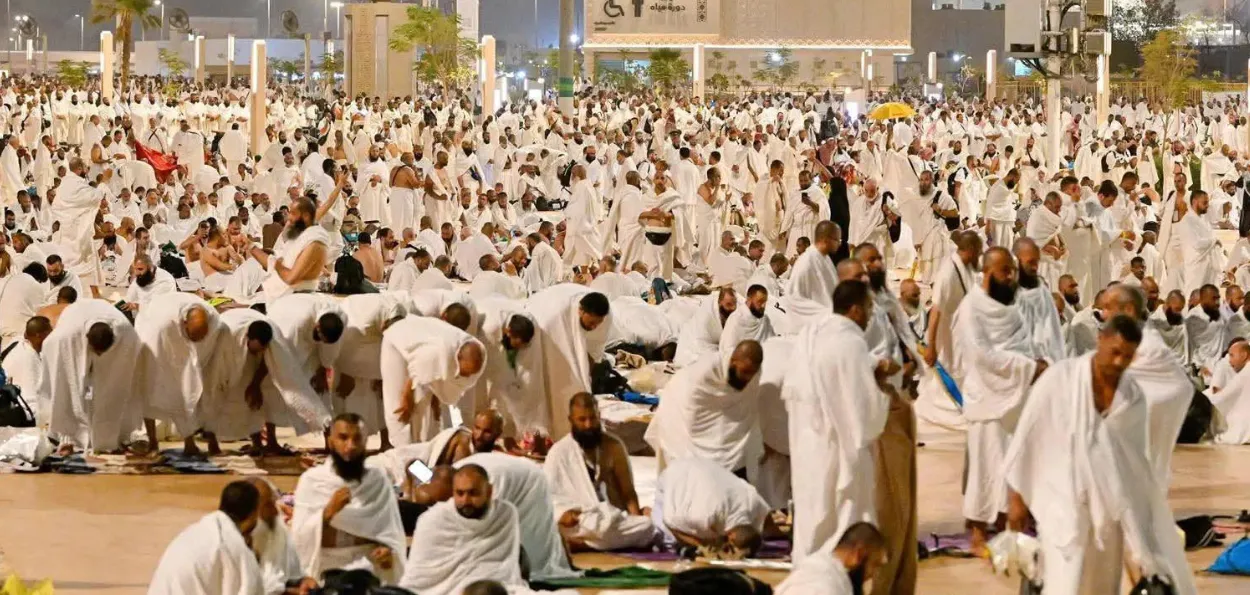
As the sun drowned over the horizons of Mount Arafat, the most significant site of the Hajj where the Prophet Muhammad delivered his last sermon, the pilgrims moved to Muzdalifah, en route to Mina.
In Muzdalifah, pilgrims offered their prayers and spent a night in supplication. The departure from Arafat to Muzdalifa marks the third stage of the pilgrims’ journey through the holy sites.
_(5).jpg)
From Muzdalifahm the pilgrims collect pebbles for next day’s stoning ritual at Mina’s Jamrat Al-Aqaba.
On Wednesday pilgrims will perform five main rituals of Hajj — stoning at Jamrat Al-Aqba, shaving their head, animal sacrifice and performing Tawaf Al-Ifada and Sai. This will bring the annual pilgrimage to a close.
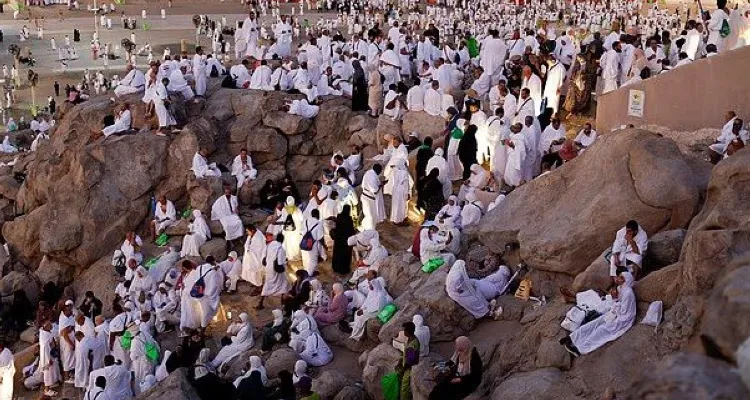
This year, a record over 1.7 million Muslims from all over the world are performing Hajj, the most sacred pilgrimage in Islam, which is about a two percent rise over the last years.
The international pilgrims include India’s 1,75,025 Muslims and one of the largest contingents.
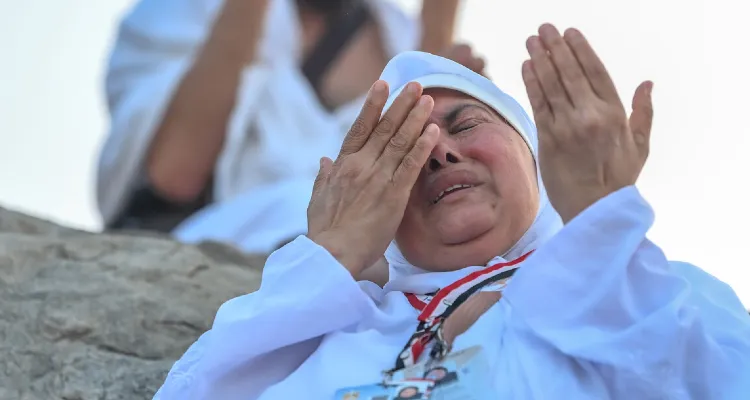
Saudi Arabia’s General Authority for Statistics announced that a total of 1,707,301 pilgrims performed Hajj during the 1447 AH / 2026 season, marking a 2 percent increase compared to last year’s pilgrimage.
Of these international pilgrims made up 90.6 percent of the total Hajj population, with 1,546,655 pilgrims arriving from abroad. Domestic pilgrims accounted for 9.4 percent, with 160,646 Saudi citizens and residents performing Hajj this year.
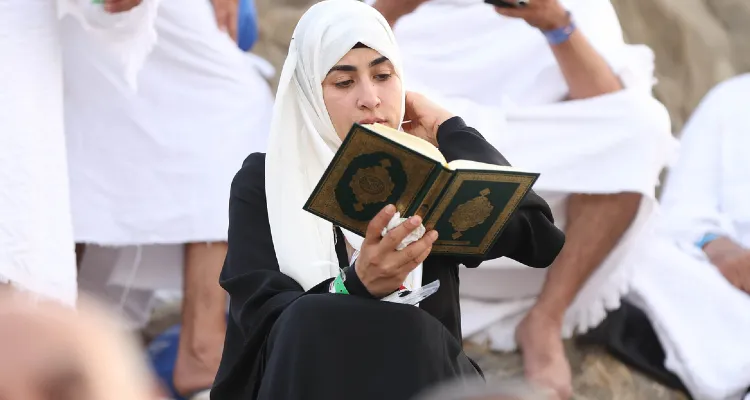
The statistics showed that male pilgrims represented 52.3 percent of the total attendance, with 893,396 men taking part in Hajj, while female pilgrims accounted for 47.7 percent, totaling 813,905 pilgrims.
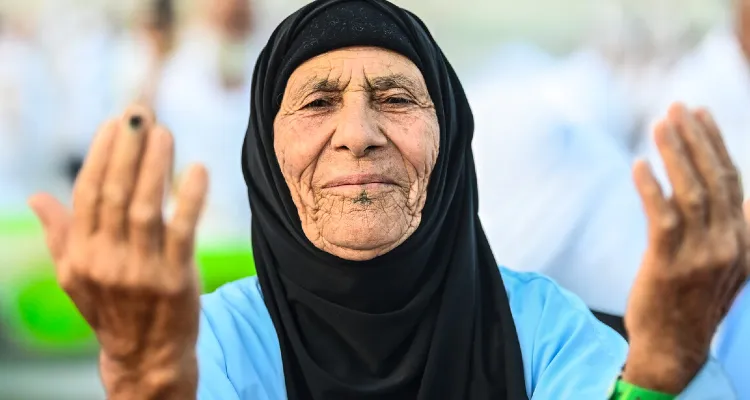
Authorities also revealed that pilgrims from 165 nationalities participated in Hajj this year, highlighting the global significance of the annual Islamic pilgrimage.
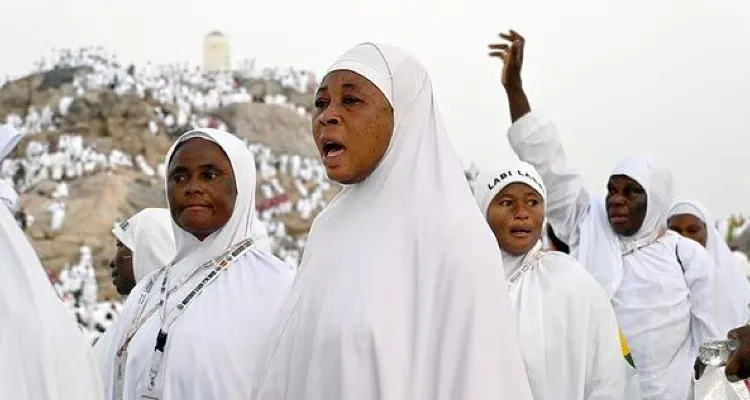
The temperatures during the Hajj remained high and the Saudi authorities had made eleborate arrangements to keep pilgrims hydrated and cool.
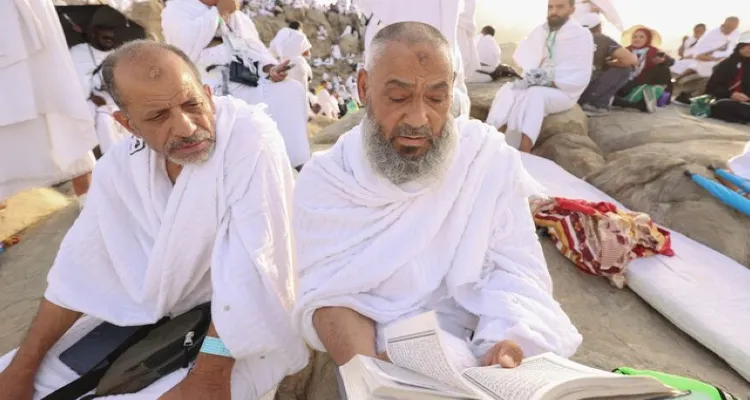
To manage the large-scale pilgrimage operation, Saudi Arabia deployed 441,049 workers across the holy sites, while 26,701 volunteers participated in various support and service roles during the Hajj season.
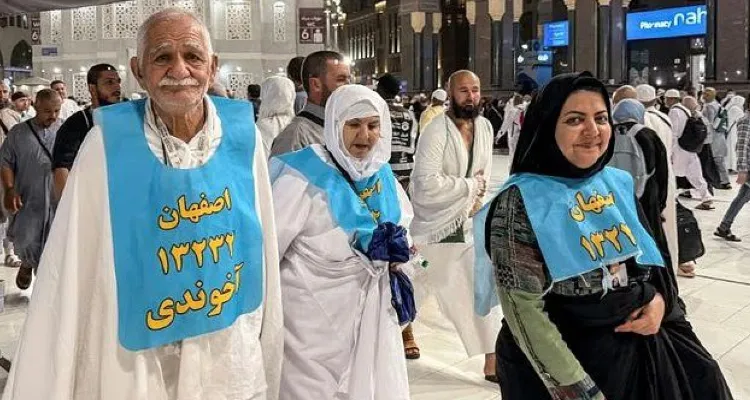
GASTAT noted that the annual Hajj census serves as an official benchmark for Hajj planning, crowd management, logistics, and public service delivery during one of the world’s largest religious gatherings.
ALSO READ: The Hajj pilgrimage as chronicled by Ibn Battuta and Ibn Jubayr
Millones de peregrinos de todo el mundo abarrotan la Llanura de Arafat en el clímax del Hajj 2026. La permanencia en Arafat se convierte en el momento más sagrado, cuando millones de musulmanes se unen en oración y suplican el perdón a Alá. pic.twitter.com/q9LhIOT8dQ
— 🧢 (@Purga_NOM) May 27, 2026

.jpg "Gujarat’s women entrepreneurs bring their craftsmanship to life during Navratri")








.jpg "Ministry of External Affairs Spokesperson Randhir Jaiswal")
.jpg "Akie Abe, wife of former Japanese Prime Minister late Shinzo Abe (On Centre Right), and Tomohiko Taniguchi, Chairman of Nippon Kaigi (On Right) met Rashtriya Swayamsevak Sangh (RSS) Sarkaryavah (General Secretary) Dattatreya Hosabale (On Centre Left)")

.webp)