New Delhi
While asking the government to uphold constitutional principles while implementing the latest Waqf Act, Jamiat-e-Ulema Hindu president Maulana Mahmood Madani asked caretakers (Mutawallis ) of endowed properties (Waqf/Auqaf) to adopt transparent governance in the maintenance of these properties.
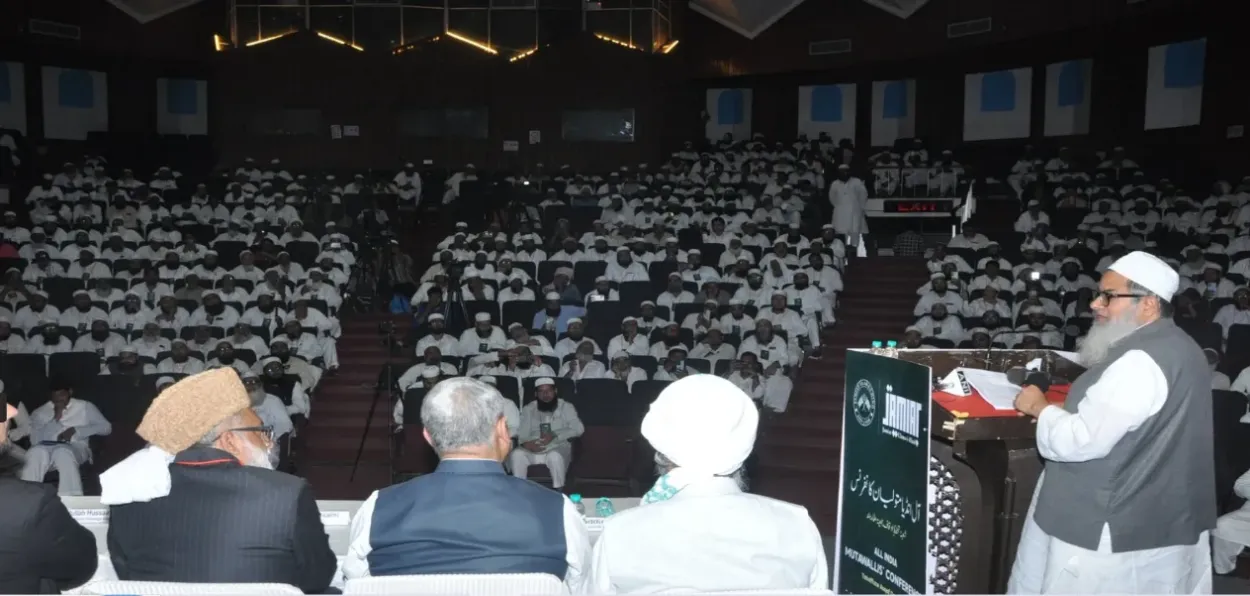
Addressing the All India Mutawallis' Conference in Delhi, Maulana Madani said that the challenges facing Waqf are not limited to external pressures. Many problems also arise from institutional weaknesses, administrative negligence, and lack of proper record-keeping.
He said that if Waqf properties are managed effectively and transparently, many disputes related to them can be reduced.
Maulana Madani stated that the protection of Waqf properties is not only a legal responsibility but also a religious obligation. He added that Waqf properties are a trust dedicated in the name of Allah. Its protection, preservation of documents, and legal action against illegal encroachments are the shared responsibilities of every Mutawalli and the entire Muslim community.
WATCH | Delhi | Jamiat Ulama-i-Hind president Maulana Mahmood Madani says, "The law that has been enacted regarding the Waqfs has posed significant threats to them. We had complaints about the previous law as well... A series of work is underway to address the shortcomings and… pic.twitter.com/JFXXibCWMM
— ANI (@ANI) July 24, 2026
He appealed to the Mutawallis to maintain systematic records of all Waqf properties, digitise documents, maintain complete records of income and expenditure, conduct regular audits, and take timely legal action wherever illegal encroachments occur. According to him, only strong documentation and a transparent system can protect Waqf institutions from future challenges.
Speaking to the media, Madani said, "It is about creating awareness among people to try to protect Waqf, that people should deal with Waqf properly, and be ready to make sacrifices for the protection of Waqf. This is not happening only here; it is going on in other parts of the country as well. We are working under a long-term strategy, so this is a part of that"
Maulana Madani said that if the community works with honesty, foresight, and organised planning, any 'conspiracy against Waqf can be thwarted'.
He added that it is also important to involve the new generation in this campaign to ensure the long-term preservation of Waqf properties.
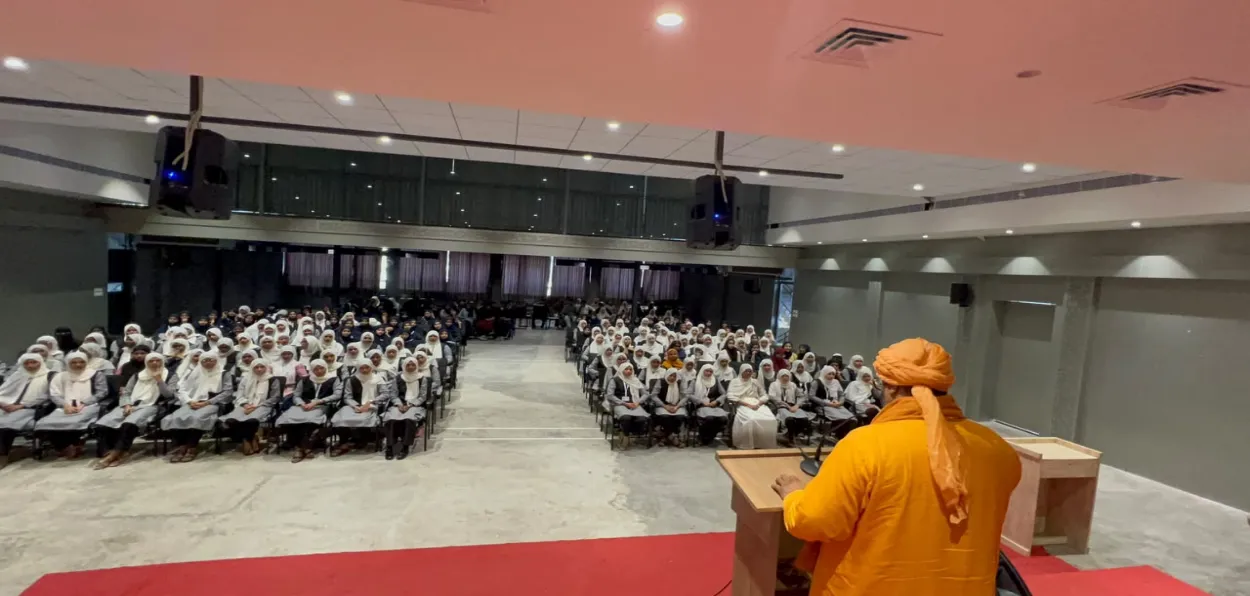
More than five hundred Mutawallis, Islamic scholars, advocates, social workers, and public representatives from various states of the country attended the conference.
Speaking at the meeting, Justice Iqbal Ansari, former Chief Justice of the Patna High Court, said that most disputes related to Waqf properties arise when the oversight and management are weakened.
He said that Mutawallis should take their responsibilities more seriously. Courts deliver decisions within the framework of the Constitution, but the perceptions being formed in society about the justice system also need to be seriously considered.
Attended the Grand Public Meeting organized by the All India Muslim Personal Law Board in Kalaburagi Gulbarga, under the powerful slogan
— MD Faheem Qureshi INC (@FaheemQureshinc) May 5, 2025
“Waqf Bachao, Dastoor Bachao.”
Proud to stand alongside Hazrat Maulana Khalid Saifullah Rahmani Sahab, MP Janab @Imranmasood_Inc Sahab, Janab… pic.twitter.com/hfIESh1kpV
Maulana Asghar Ali Imam Mehdi Salafi, Amir of the Markazi Jamiat Ahle Hadith Hind, said that the responsibility of protecting Waqf institutions should not be limited to the government or Mutawallis. Active participation of the entire society is essential. He added that effective protection of these properties will not be possible until the general public understands the importance of Waqf.
Malik Motasim Khan, Naib Amir of Jamaat-e-Islami Hind, said that illegal occupation of Waqf properties in many places is the result of administrative negligence and weak oversight. He expressed concern that in some cases Waqf properties are being used as private property. He demanded an end to such tendencies and accountability.
Advocate Nasir Aziz, president of the South Asian Minorities Lawyers Association, said that Waqf Protection Committees and special legal cells should be formed across the country. This would expedite action in cases of illegal encroachments and strengthen the institutional framework.
MP Harinder Malik, who was present at the conference, said that there have been complaints of mismanagement in some Waqf institutions. He emphasised that the greatest benefit of Waqf income should reach the poor, the needy, and the vulnerable sections of society. MP Maulana Mohibullah Nadvi, while appreciating the efforts of Jamiat Ulama-e-Hind, stressed the need for a united national campaign to protect Waqf institutions.
MP Imran Masood said that disputes related to religious properties are not limited to any one community. He said that the properties of all religions should be protected and their rights protected equally. This is also the spirit of the Constitution.
ALSO READ: Why is Ranjit Bajaj betting everything on India's football future
The conference's key message was clear. Protecting Waqf properties is not solely the responsibility of the courts or the government. It requires robust documentation, transparent management, legal preparedness, and active public participation. Speakers believed that serious action on these four pillars could make Waqf institutions more effective, secure, and beneficial to the public.