Mansooruddin Faridi / New Delhi
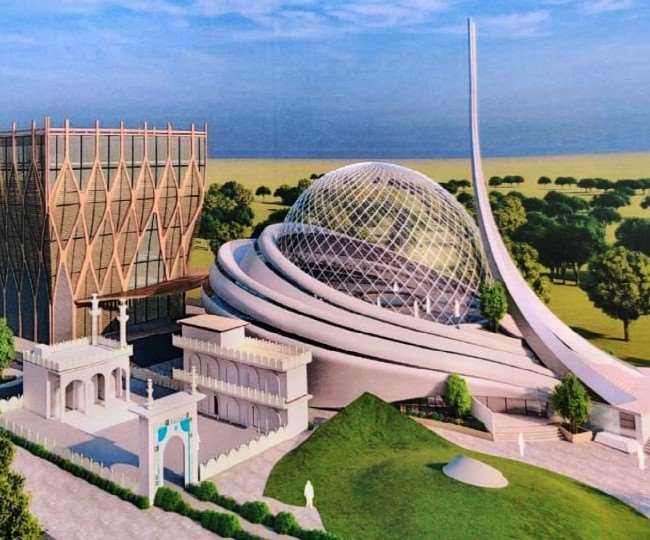
After the Supreme Court's decision in the Babri Masjid case, the proposed mosque at Dhanipur in Ayodhya has become the talk of the town. Its construction was formally announced on December 19 with the construction map being released by the Indo-Islamic Cultural Foundation (IICF) at Ayodhya. The IICF Trust was formed by the Government of Uttar Pradesh and the State Sunni Central Waqf Board. The Trust's secretary and spokesperson is Athar Hussain, who is involved in the mission says all members of the Trust see the project as a challenge. He also expressed confidence that once dominated the religious and political discourse in the country stands resolved and closed forever. In a conversation with Mansoor-ud-din Faridi, editor, Awaaz-the Voice, Urdu, Athar Hussain has given details of the proposed project. Excerpts from the interview:
What is idea and special thought behind this mosque?
The proposed mosque complex will be made into a symbol of communal harmony and patriotism. We have decided to nametThe Indo-Islamic Research Center after Maulvi Ahmadullah Shah Faizabadi, who was martyred in the first war of independence of 1857. He was martyred on 5 June 1858 and his bravery was even acknowledged by the officers of the British Army. He fought many wars in the Awadh region. This suggestion has come from the public. This project is designed with a futuristic vision. Its purpose is to end the conflict within the Ganga-Jamuni civilization and maintain our secular traditions. We have kept the teachings of Islam in mind while planning it. For us, it’s a religious as well as a mundane matter. Therefore, along with the mosque, we have included a hospital, library, museum and archives. Our goal is to balance the worldly affairs with religion and to cultivate it with the spirit of human service. The service aims to promote the Islamic philosophy.
On what basis was the land of the mosque accepted?
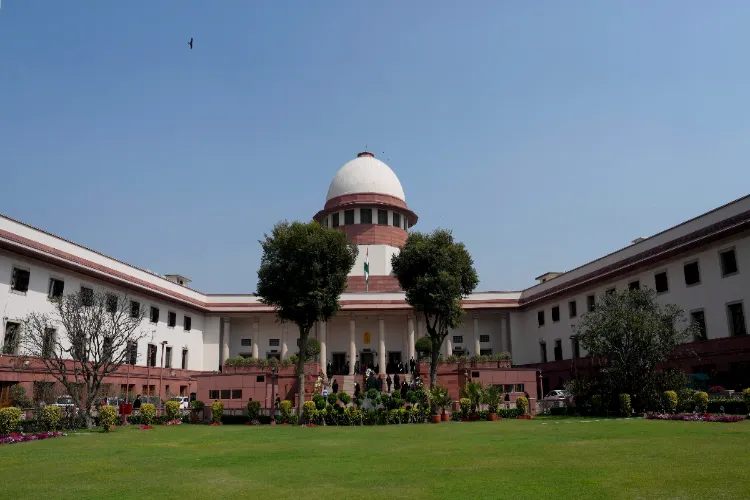
Look, there should be no politics and misunderstanding on the mosque. This is not the ground for revenge. The court repealed Article 142 and gave the Waqf land to the Hindu party. People have been misled that this is a ‘revenge’ land and even the court has not said so. There is no question of revenge. The court overruled Waqf's claim and gave the land so that there will be no dispute in future. We do not know why the court gave land for the mosque, but we have an opportunity for doing a positive work. This is the reason why we have decided to be part of thethe five-acre mosque project.
What was the biggest and important part of the court's decision?
Our elders had committed to abide by the decision of the Supreme Court. Here comes the decision that we all have accepted. Before this decision, we were keen to resolve this issue that was being shuttled between Delhi and Lucknow. The Supreme Court had constituted a three-member committee for arbitration that also included Sri Sri Ravi Shankar and former Justice FM Khalifullah Khan. Everyone tried their best to resolve it. We (Sunni waqf board) were also a part of it. The court verdict came; it’s outlined in ten pages.

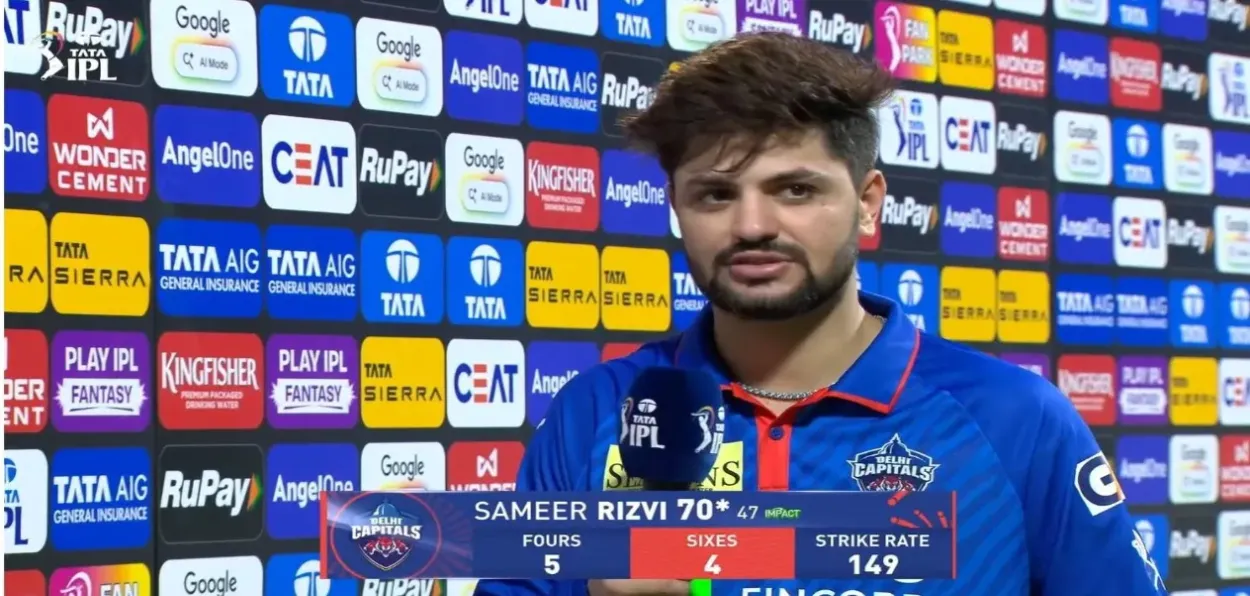
Athar Hussain (Left) and the flag hoising at Dhanipur mosque complex site on January 26
How strong is this security of the proposed mosque?
The Religious Places Act, 1991 states that before August 15, 1947, the status of all religious places except Babri Masjid will be maintained. Fortunately, the Supreme Court has incorporated it into the basic structure of the Constitution. This means that the law cannot be changed even by a two-thirds majority in Parliament. In fact, in 1971, a 13-member bench headed by Krishnan Bharti ruled that a list would be prepared and made the basis. This provision would be immutable. This is a big achievement. This was a landmark decision in the history of the Indian judiciary. It is referred to as 'Keshu Anand Indian Judgment' in the books of law. That judgment outlines the basic structure of the Indian Constitution. The constitutional bench of 13 judges of the Supreme Court considered the extent of the powers of the elected representatives of the people and the nature of fundamental rights of a person, if any. Parliament has 'broad' powers, but it does not have the power to remove or override the basic elements or basic features of the Constitution.
However, again someone has claimed a mosque site in Mathura?
Recently, a case was filed in Mathura, but it was dismissed. In that case an appeal has been filed, but Order 7 Rule 11 will apply wherever this case is filed. Now, what all of us have to do is that wherever such a case comes up, we will implement 'Order 7 Rule 11' and the case will be dismissed.
What are the tasks given to the Indo-Islamic Cultural Research Center?
The center will commission research on freedom fighters of Indian independence, who played a very important role in all the battles. He also liberated Maulvi Ahmadullah Shah Faizabad for one year from the clutches of the British. In 1857, the Muslims fought side by side in the war of independence. Research work on these freedom fighters in book form will also be brought. There will also be a research on Maulvi Abdul Bari Firangi Mahali. It should be remembered that when Gandhiji came to Lucknow in 1919, he stayed at his house for six months.
The complex will have a publishing house within the museum and library. Our aim is to connect this center with religion, education, employment, human service so that Islam’s real teachings are known to the people of the country where religion and worldly affairs are given equal importance.







.webp "Union Home Minister Amit Shah")
.webp "Union Minister of Parliamentary Affairs Kiren Rijiju")

_(1).webp)