.webp "Representational Image")
New Delhi
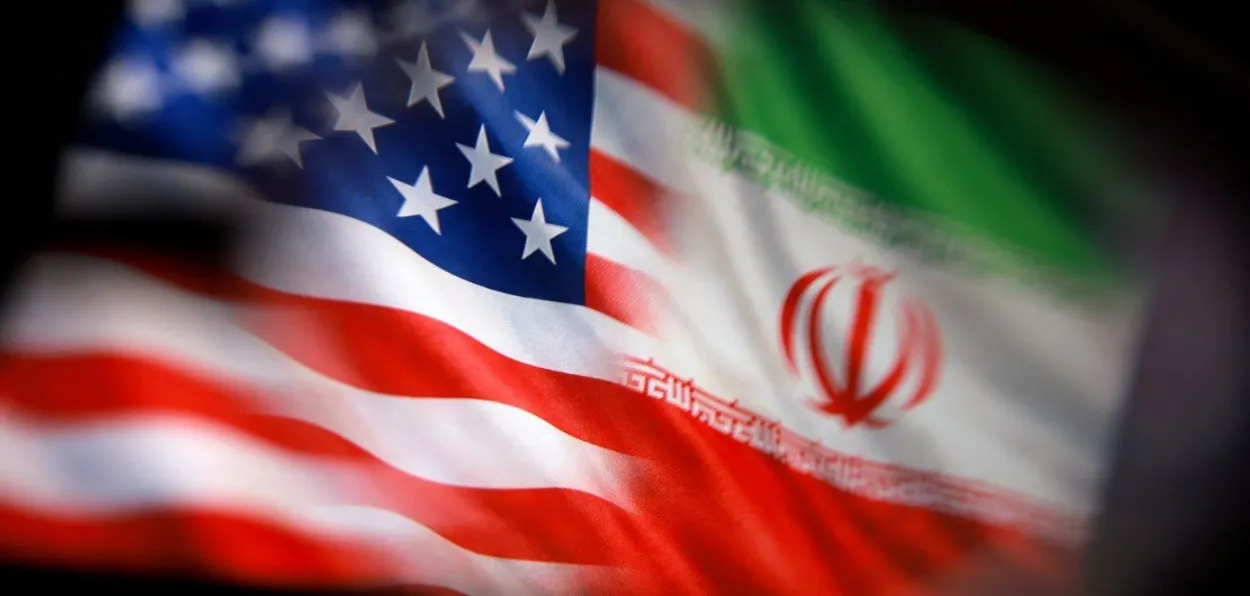
Vishal Kampani, Senior Vice President of the All India Management Association (AIMA) and Vice Chairman & Managing Director of JM Financial Ltd, on Thursday said global economies could take six to twelve months to recover from the disruptions caused by the ongoing conflict involving the US, Israel and Iran.
Speaking on the sidelines of AIMA’s 11th National Leadership Conclave, Kampani noted that while the war may temporarily slow economic growth, the overall impact is expected to be short-term. He expressed optimism that the situation could stabilise in the coming weeks, citing past instances where the domestic economy has shown resilience during global crises.
Highlighting the uncertainty around crude oil prices, Kampani said their trajectory would ultimately depend on demand and supply dynamics. He added that if the conflict significantly affects demand, prices could moderate despite initial spikes.
He also pointed to concerns over potential damage to energy infrastructure in the Gulf region, saying this remains a key unknown factor. The speed at which supply chains normalise and oil and gas exports resume will determine how long price volatility persists.
Kampani cautioned that if the conflict escalates and disrupts a substantial portion of global energy supplies—particularly from a region that accounts for a significant share of oil and gas output—the recovery period could extend beyond the projected timeframe.
On India’s outlook, he said the country is well-positioned to withstand external shocks, drawing on its track record of navigating crises. While growth may be affected in the near term, he expressed confidence that the economy would rebound strongly.
READ MORE: From LoC to Bollywood: Naseem Mughal played Lulli Dakait in Dhurandhar
He also observed that financial markets are likely to recover faster than the broader economy, as they tend to anticipate future developments more quickly than real economic activity.







.webp "Lieutenant Governor Manoj Sinha")