Panaji
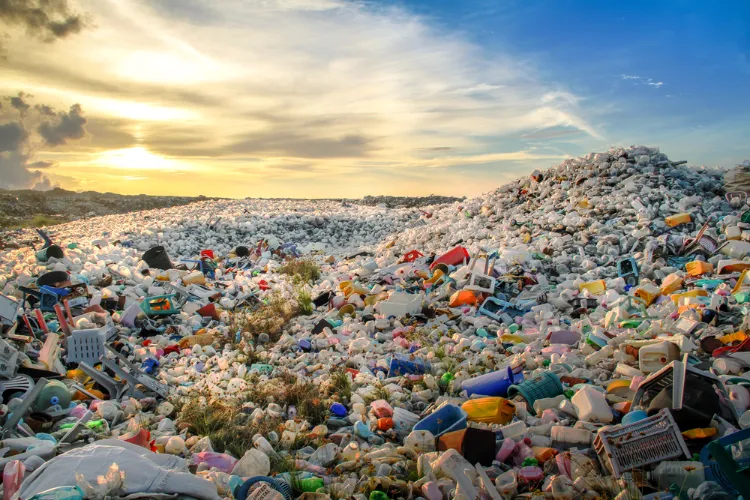
The Goa government is preparing to introduce a Deposit Refund Scheme (DRS) aimed at tackling the growing problem of plastic waste in the coastal state, with implementation likely to begin from April 1, a senior official said on Thursday.
Under the proposed system, consumers and waste collectors will receive a refundable amount for returning specific waste items to authorised collection centres, which are planned to be set up across Goa.
According to officials from the state’s Department of Environment and Climate Change, Goa generates around 766 tonnes of municipal solid waste daily, amounting to nearly 2.8 lakh tonnes annually. While urban waste collection has achieved near-total coverage, significant gaps remain in processing, recycling and scientific disposal.
These shortcomings have resulted in a heavy reliance on informal waste collectors, who retrieve recyclable material from households, streets and dumping grounds, often under hazardous conditions and for minimal returns.
“At present, informal collectors earn between Rs 15 and Rs 25 per kilogram of PET bottles, or roughly 50 bottles, which works out to less than 50 paise per bottle,” the official said. Glass bottles typically fetch about Rs 2 per unit, while multi-layered plastic packaging — widely used for snack foods — has almost no market value and is frequently abandoned.
National estimates indicate that such multi-layered packaging constitutes nearly 30 to 40 per cent of plastic waste, most of which ends up in landfills, the official added.
Dr Anthony de Sa, who chairs the committee overseeing the Goa DRS project, said the initiative was conceived to address long-standing inequities in waste management and recycling.
“The scheme incentivises responsible disposal, improves income prospects for the informal waste sector and responds to the unique challenges faced by a tourism-dependent state like Goa,” he said.
The Deposit Refund Scheme, formally notified by the state government in 2024, proposes attaching a refundable deposit to individual packaging items, which is returned instantly when the item is deposited at an authorised centre.
Under the framework, a standard deposit of Rs 5 will apply to most packages, while alcoholic beverages sold in glass bottles will carry a higher deposit of Rs 10. Items priced between Rs 5 and Rs 20 will attract a Rs 2 deposit.
De Sa said the revised structure could substantially raise earnings for informal collectors. For instance, returning 50 PET bottles could fetch up to Rs 250, compared to current earnings of less than Rs 25. Glass bottles could earn Rs 10 each, while even multi-layered plastic packets could generate income of about Rs 200 for every 100 units collected.
ALSO READ: I received my wages for hard work of decades: Ghafruddin on Padma Shri
Officials believe the scheme could significantly reduce littering, improve recycling rates and provide a more sustainable livelihood model for waste collectors across the state.









.webp "Union Home Minister Amit Shah")
.webp "Union Minister of Parliamentary Affairs Kiren Rijiju")


_(1).webp)