New Delhi
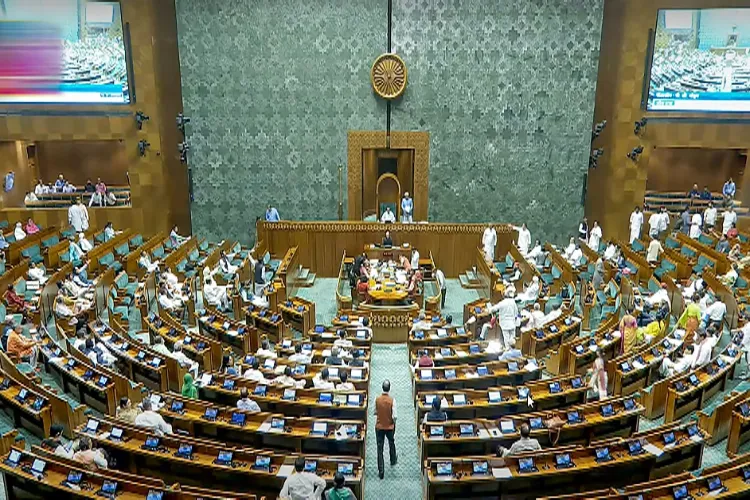
The Centre on Friday introduced the second edition of the Jan Vishwas (Amendment of Provisions) Bill, 2026 in the Lok Sabha, aiming to decriminalise a wide range of minor offences to boost ease of doing business, while rejecting objections raised by the Congress.
The bill was tabled by Minister of State for Commerce and Industry Jitin Prasada. It proposes amendments to 79 central laws administered by 23 ministries, covering a total of 784 provisions.
Of these, 717 provisions are set to be decriminalised, while 67 aim to improve ease of living. The changes include replacing imprisonment with monetary penalties in several minor procedural violations and rationalising compliance requirements.
However, Congress members K Kavya and GK Padavi opposed the bill’s introduction, arguing that replacing jail terms with fines could undermine the basic structure of the Constitution and potentially encourage corruption. They demanded that the bill be referred again to a parliamentary committee for further scrutiny.
Responding to the objections, Parliamentary Affairs Minister Kiren Rijiju said there is no provision or precedent for sending a bill back to a committee after it has already been examined.
Defending the legislation, Prasada clarified that only minor, technical offences are being decriminalised, and serious violations—especially those related to national security, armed forces, labour courts, and international obligations—remain untouched.
The bill proposes removing imprisonment in 57 provisions, eliminating fines in 158 cases, and converting imprisonment and fines into penalties in several others. It also includes amendments to laws such as the Motor Vehicles Act, 1988 and the New Delhi Municipal Council Act, 1994 to simplify procedures and reduce compliance burdens.
Key proposed changes include allowing vehicle registration across an entire state instead of specific jurisdictions, introducing a grace period for driving licence renewal, and clarifying certain legal ambiguities.
The bill also seeks amendments across multiple sectors, including finance, infrastructure, public safety, and consumer regulation, covering laws like the RBI Act, Insurance Acts, Drugs and Cosmetics Act, and the Electricity Act.
According to the government, the objective is to reduce regulatory burden, promote trust-based governance, and improve both business efficiency and citizen convenience by replacing punitive provisions with proportionate penalties.
READ MORE: Hindu brothers in Rajasthan donate land for Eidgah
This initiative builds on the earlier Jan Vishwas (Amendment of Provisions) Act, 2023, which had decriminalised 183 provisions across 42 central laws.
.gif)