Atir Khan/ New Delhi
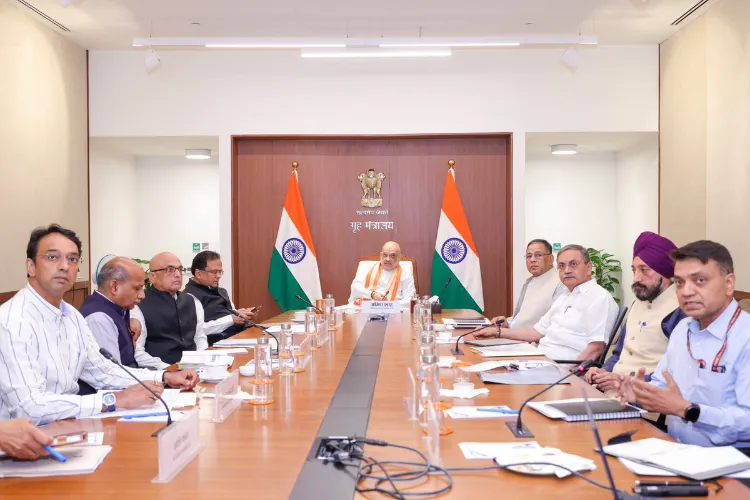
In a significant interaction with distinguished members of the Muslim community, Ajit Doval highlighted that a large number of Muslim youths have been recruited into the Army and paramilitary forces over the past twelve years.
He noted that while the community has every right to critique government actions, it should not doubt the government’s intent. “Recruitment in the armed forces demonstrates that there is no bias or discrimination against Muslims in India,” he said.
He added that while not all candidates may succeed in getting government jobs, this could be due to multiple factors, including economic backwardness.
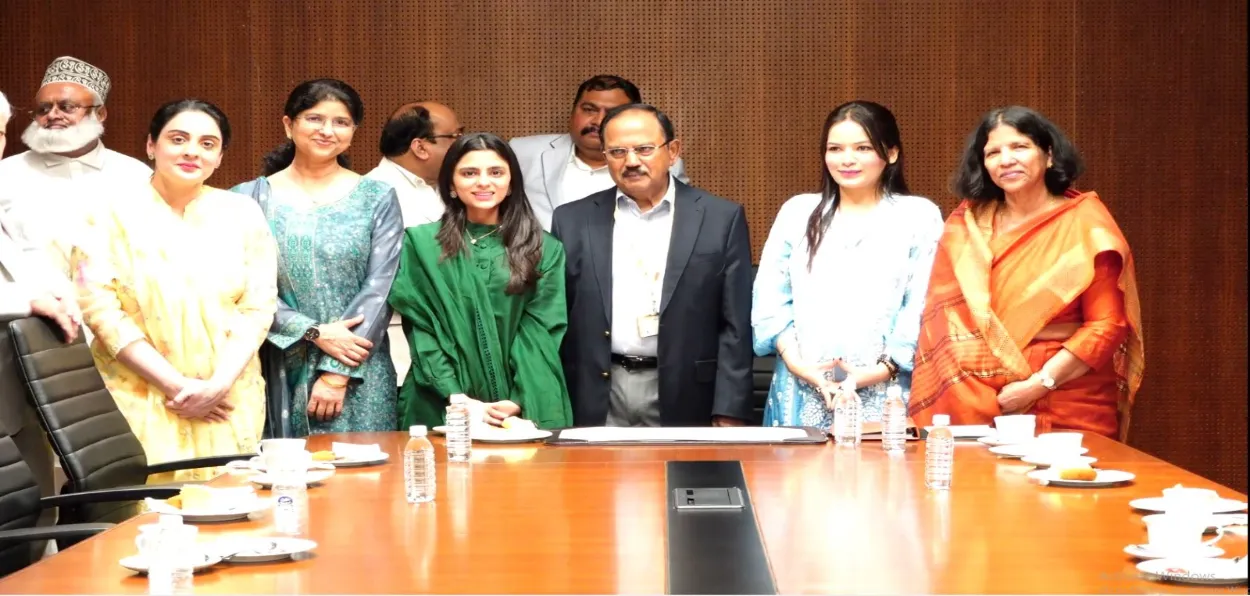
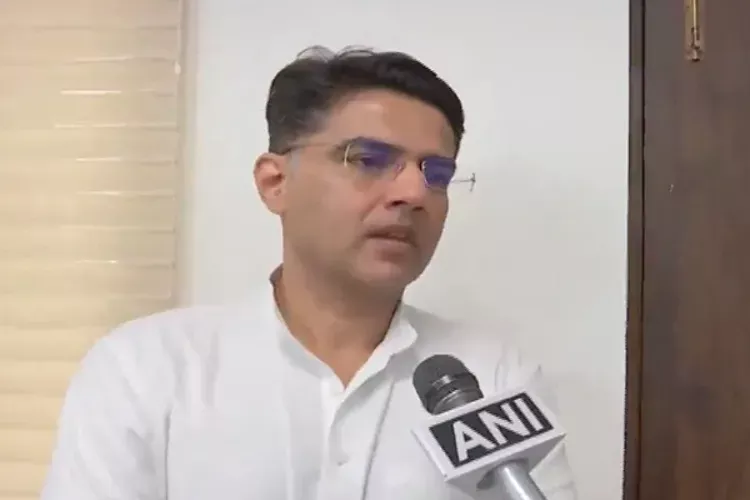
.jpeg) NSA Ajit Doval in a significant interaction with distinguished members of the Muslim community
NSA Ajit Doval in a significant interaction with distinguished members of the Muslim community
Doval emphasized the importance of embracing multiple identities rather than reducing oneself to a singular religious identity. “Muslims should not subsume their diverse identities into a singular religious identity and consider it supreme,” he said.
NSA Ajit Doval Meets Muslim Leaders Today#Ajitdoval #NSA #muslimleaders #Indianmuslim pic.twitter.com/xdFKZJh3Jf
— Awaz-The Voice (@AwazThevoice) April 18, 2026
Addressing a delegation comprising educationists, social workers, and industrialists in New Delhi, he reiterated that Indian Muslims, like all citizens, possess layered and multifaceted identities.
According to him, confusion arises when individuals become overly conscious of a separate identity, which can sometimes lead to an unfounded sense of victimhood. He affirmed that Muslims are fully entitled to their religious identity and freedom of worship.
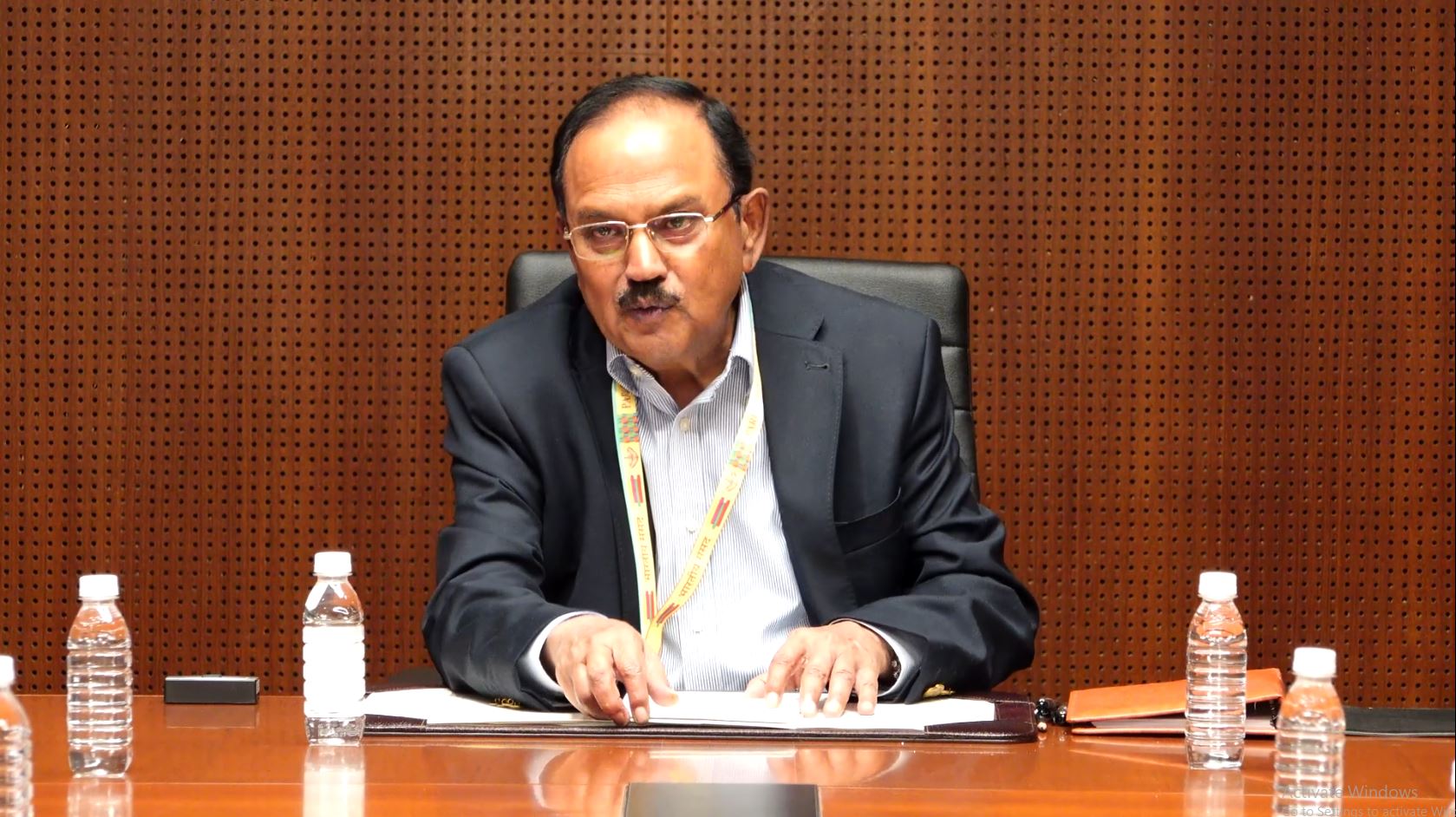 NSA Ajit Doval
Using a metaphor, Doval remarked, “The country is like a large ship, and we are all sailors. We sail, or we sink together.” He stressed that all Indians—past, present, and future—are part of the same national continuum.
He further called for sustained dialogue among communities, especially in times of mistrust. “Engagement must continue with patience, mutual listening, and a willingness to accommodate differences,” he said. He cautioned that a community’s excessive tilt towards singularity can lead to alienation and limit broader social engagement.
The delegation was led by educationist and businessman Zafar Sareshwala. Among those present were Naima Khatoon, Kausar Jahan, Zahir I Kazi, Dr Nishat Hussain (AIMS Gold Medalist), Samina Shaikh (journalist with Zoom TV), and social entrepreneur Bhamla Saher.
Industrialists from Gujarat and Maharashtra also participated, including Faruk Patel (Chairman, KP Group), Inamul and Ibrar Raki (CMDs, German Steel Co.), Haji Rayama from Kutch, Altaf Sadikot of the Dawoodi Bohra community, and Juned Sharif (CMD, Niton Valves Ltd).
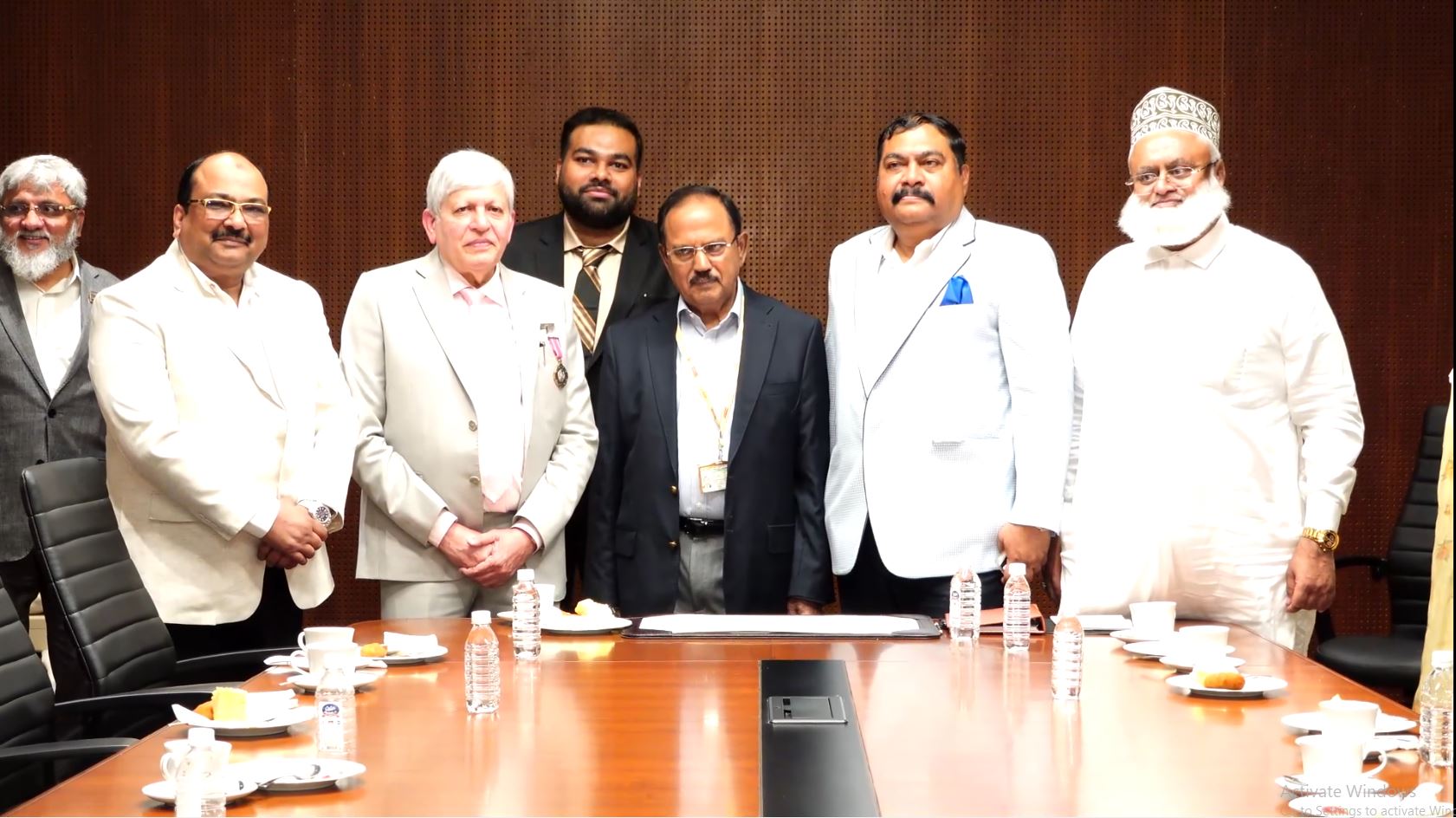 NSA Ajit Doval in a significant interaction with distinguished members of the Muslim community
Doval stressed the need to strengthen systems to expand opportunities for Muslims and encouraged business leaders to take the initiative in establishing schools, educational institutions, and scholarship programs for underprivileged students, irrespective of religion.
Speaking at the event, AMU Vice-Chancellor Naima Khatoon credited government emphasis on women’s empowerment for her appointment, noting that she became the university’s first woman VC in over a century. Kausar Jahan highlighted government initiatives that have enabled women to undertake the Hajj pilgrimage independently.
Zafar Sareshwala raised concerns about housing challenges faced by Muslims in Gujarat due to the Disturbed Areas Act, which restricts inter-community property transactions. He noted that the law, implemented in 1985, continues to contribute to housing shortages in Muslim-majority areas and suggested that its provisions be reconsidered.
Dr Zahir I. Kazi, a Padma awardee and president of Anjuman-I-Islam, pointed out that while his institution has produced scholars who have gone on to contribute to programs such as the US lunar mission and study at Ivy League universities, restrictions under the Foreign Contribution Regulation Act (FCRA) hinder access to educational grants from Gulf countries.
Faruk Patel shared his personal journey, noting that his father was a bus conductor before he entered business. Today, his company employs around 1,600 people, 90 percent of whom are non-Muslims. He emphasized that the government has not been an obstacle to business growth in Gujarat and attributed the community’s progress to a conducive environment. He added that while Muslim entrepreneurs do not seek financial assistance, they would welcome support in fostering a more positive perception of the community.
Some participants also suggested exploring Islamic banking as a complementary financial system that could benefit both the community and the broader economy.
READ MORE: Award winning Urdu litterateur Dr. Shaista Yusuf is also an entrepreneur
Concluding the interaction, Ajit Doval encouraged community members to take a proactive approach by presenting concrete proposals to the government to ensure greater access to opportunities and benefits.
.webp "Rocks bearing inscription in ancient Arabic excavated in Saudi Arabia's Madina region")









_(1).webp)