 Aditi Bhaduri
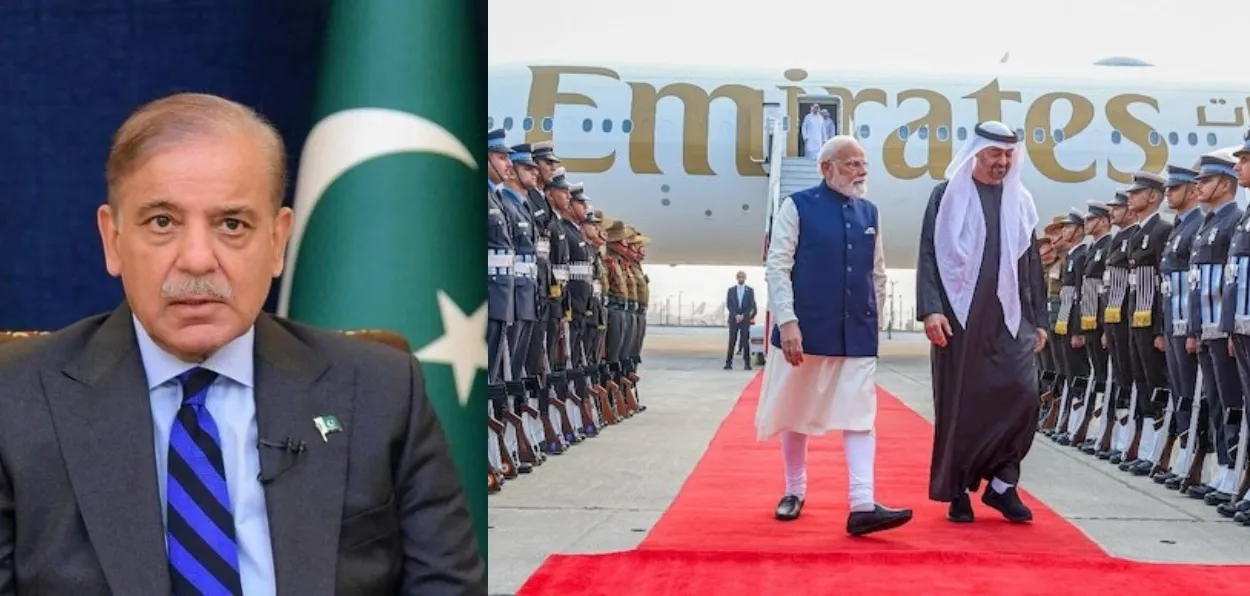
Pakistan is in the process of repaying its $3.5 billion loan to the UAE. Following this announcement, Pakistani Senator Mushahid Hussain mocked the UAE as a “helpless nation”, claiming that Pakistanis had literally built the UAE. He went on to deride close UAE-India ties. He said, “I will give some brotherly advice to my brothers in the UAE that janaab, you have a population of 10 million, 4.5 million of them are Indians. Please be careful about your growing friendship with India. I hope you don’t become a target of India’s Akhand Bharat ideals.’
Meanwhile, Saudi Arabia has now stepped in to help Pakistan repay the loan to the UAE. This has made fault lines in the region come to the fore. To put things in perspective, we need to step back a bit in time.
The most significant emerging faultline is the UAE-Pakistan divide. It began more than a decade ago as the UAE got increasingly paranoid about terrorism and regime survival. Iran was the traditional rival, with its proxies strategically placed throughout the Arab world. The Arab Spring further spooked the Gulf countries as it felled old regimes. When it reached Yemen in 2015, in the middle of the civil war between the Iran-backed Houthis and the internationally recognised government there, the Gulf countries, particularly Saudi Arabia and the UAE, which had closely aligned with Yemen, decided to act.
"We (Pak) created UAE. We trained their military. UAE was always a helpless country. We protected them coz we're big brothers. Now we're giving them money."
— Pakistan Untold (@pakistan_untold) April 7, 2026
- Pak army rep Senator Mushahid Hussain mocks UAE
Do UAE officials know how much Pak loves them? pic.twitter.com/gflraUGh58
Pakistan, which, by then, had provided numerous military and policing services to Gulf monarchies in exchange for hefty grants and investments, dithered. Intense domestic opposition, coupled with fears of Sunni-Shia fault lines opening up inside the country, constrained the then government of Nawaz Sharif. The Saudis and the Emiratis saw red. This began the fallout between long-term partners. While in more recent times the Saudis have patched up with Pakistan, relations with the UAE remained complicated.
The UAE is a tiny country with a population of ten million, of whom the local Emiratis comprise only a million. The rest are expatriates. While it has made big-ticket arms purchases, it cannot be counted as a major military power. Instead, it has positioned itself as a major financial, trade and logistical hub, and requires stability and security for this. It has, thus, taken a stringent stand against terrorism and brooks no political dissent on its territory.
At the same time, it has built up an image of itself as a tolerant, pluralistic, peace-loving Muslim country, building temples and churches, and promoting religious harmony on its territory.
Pakistan, as a country that abets and uses terrorism, and the growing religious fundamentalism in the country, began to be seen as a major concern. Given the perceived American disinterest in the region, which began under President Obama, as well as Pakistan's inability to provide military help to it, the UAE turned to other powers. Prime amongst them was India, and soon India-UAE ties blossomed, as did also India’s ties with Saudi Arabia and other Arab countries.
When Prime Minister Modi made his first visit to the UAE in August 2015, the two sides included a clause on "cross-border" threats in their joint statement. It also opened up counter-terrorism and intelligence cooperation between the two sides. Pakistani citizens on India’s wanted list began to be extradited to India.
To this cauldron was added another layer of complexity with the emerging divergence between the Saudis and the Emiratis. The rift that began in Yemen only widened. The Saudis, who have been latecomers to transition to a post-oil economy, want to position their kingdom as the financial, trade and transport hub in the region in place of the UAE. At the same time, the UAE seemed to be punching above its weight by signing the Abraham Accords with Israel, going against the unspoken regional consensus. It was embroiled in wars abroad, from Libya to Sudan. This rivalry now seems to be playing out with regard to Pakistan.
While Imran Khan tried to steer Pakistan away from the Arab bloc, the return of the Sharifs to government turned the clock back. Shahbaz Sharif's first foreign visits as Prime Minister to the Kingdom of Saudi Arabia and the UAE set the compass for the future trajectory of his government. With Pakistan's economy in free fall, Sharif elicited pledges of financial support from both the Saudis and Emiratis. Both, once again, came to Pakistan’s aid with billions of dollars in loans, as well as oil supplies on deferred payments worth another couple of billions.
The quid pro quo has been the Pakistan-Saudi Strategic Mutual Defence Agreement signed last year, which says any attack on one will be considered an attack on the other. This already provided the Emiratis with reason for divergence from Pakistan, coming at a time when its differences with the Saudis on the Yemen conflict had come to the fore.
However, more consequential for the UAE was Pakistan’s neutral position in the Iran War, in which the UAE suffered the most. While Israel and the US devastated Iran from the air, Iran, in turn, targeted US bases in the region. The UAE was one of those, and these strikes have caused enormous collateral damage, busting its image and reputation as a safe trade and financial haven.
While Iran targeted all the Gulf countries in retaliation to the US-Israeli strikes, the UAE, being the closest geographically, bore the brunt, raking in billions of dollars in losses. Instead of condemning these attacks, Pakistan offered to mediate between Iran and the US. This neutral stand, when the UAE was being pummelled, drove a deeper wedge between the two. Moreover, 1.4 million Pakistanis live and work in the UAE, sending back much-needed foreign exchange.
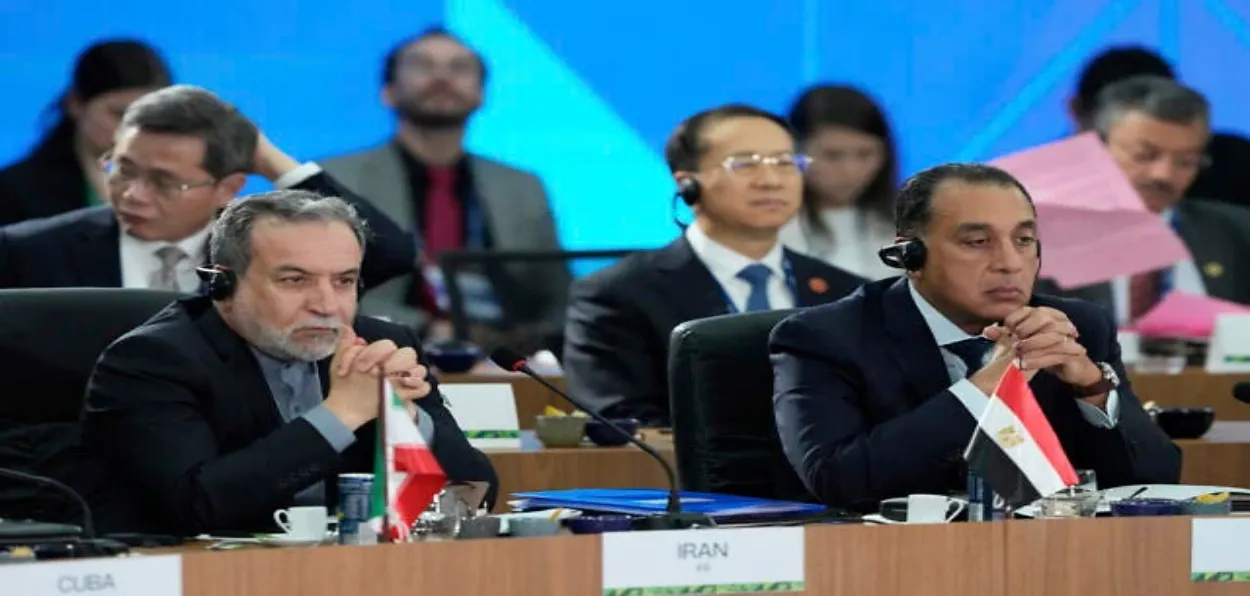
At the same time, even during the initial mediation, Pakistan flew in fighter aircraft to be stationed in Saudi Arabia. Pakistan didn’t invite the UAE to the peace talks held in Islamabad. Instead, it began discussions with the Saudis, Turkiye and Egypt. The UAE currently has major geopolitical differences with both the Saudis and with Turkiye.
ALSO READ: Did Netanyahu mislead Trump on Iran's fire power?
All these factors combined to create a situation where the UAE felt the need to pull the rug from under Pakistan's feet by asking it to repay the hefty loan. This rift is only expected to widen. The Saudis have so promptly stepped in to help Pakistan repay the loan points to the deepening new faultline in the region. Pakistan, as usual, is not in an enviable position.



.webp "Union Home Minister Amit Shah")








_(1).webp)