New Delhi
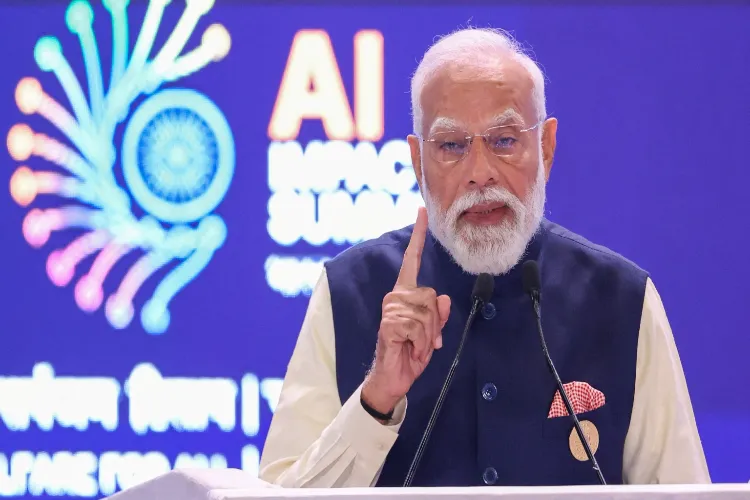
Prime Minister Narendra Modi on Thursday called on states to harness the potential of artificial intelligence while putting safeguards in place to tackle emerging social concerns such as cybercrime and drug abuse. He also cautioned about the possible impact of El Niño conditions and stressed the need for stronger water conservation efforts across the country.
Chairing the 11th Governing Council meeting of NITI Aayog, Modi said India continues to remain a bright spot in the global economy despite economic uncertainty and challenges affecting several major nations.
The Prime Minister urged states to strengthen efforts towards self-reliance and adopt global best practices, particularly in renewable energy. Referring to India's recent trade agreements with various countries, he encouraged states to create opportunities for young people and micro, small and medium enterprises (MSMEs), while helping stakeholders maximise the benefits arising from these pacts. He also asked states to actively seek investments from partner nations.
Emphasising the spirit of cooperative federalism, Modi said achieving the goal of a developed India requires close collaboration between the Centre and the states. He stressed that the vision of Viksit Bharat should become a shared commitment at every level, from villages and blocks to districts and states.
The Prime Minister also highlighted the need for a coordinated approach to deal with growing social challenges such as cyber fraud and substance abuse. He called for preventive measures, public awareness campaigns and effective governance mechanisms to address these issues.
Pointing to the importance of good governance, transparency and modern infrastructure in attracting investments, Modi urged states to focus on improving ease of doing business, strengthening their global brand image and tapping opportunities in emerging sectors such as artificial intelligence, data centres and advanced manufacturing.
Describing AI as a significant opportunity, he stressed the importance of equipping citizens with future-ready skills to meet the demands of a rapidly evolving economy.
The meeting, which lasted throughout the day, was attended by representatives from all 28 states and five Union Territories. According to an official statement, it marked the first occasion when chief ministers from all states participated in the annual Governing Council meeting.
Calling India's youth population a major national asset, Modi said the country's demographic advantage must be converted into a development advantage through skill-building and employment generation initiatives.
The Prime Minister noted that discussions during the meeting reflected the aspirations, challenges and best practices of different states and contributed constructively to the broader development agenda.
Addressing the media after the meeting, NITI Aayog Vice Chairman Ashok Kumar Lahiri said Modi reiterated that India cannot achieve developed nation status unless all states progress together.
According to Lahiri, the Prime Minister also encouraged states to estimate economic growth at the district level to better assess local development trends. He further urged them to strengthen the One District One Product (ODOP) initiative and formulate export-oriented strategies around local specialities.
Modi also identified defence manufacturing as a promising sector and encouraged states to frame policies that can help attract investments and create opportunities in the growing industry.
Responding to questions, Lahiri said planned urbanisation was recognised as an important requirement by both the Prime Minister and state leaders. He clarified that no chief minister sought special assistance regarding the ongoing West Asia crisis and added that issues such as examination paper leaks did not figure in the discussions.
The meeting focused on the theme of "Inclusive Human Development Framework" and revolved around four key pillars: building foundational human capital and future-ready skills, promoting productive employment and entrepreneurship, improving health and nutrition outcomes, and ensuring equity and dignity for all citizens.
Speaking about the roadmap for Viksit Bharat 2047, Lahiri said long-term goals are now being translated into medium- and short-term targets. He explained that the vision is not confined to the year 2047 alone but requires concrete milestones and achievements along the way.
Employment generation and skill development also featured prominently in the deliberations, with Modi emphasising the importance of skilling the workforce to meet future economic needs.
READ MORE: Lal Mohammad Badshah's unwavering devotion towards the clean Ganga
Lahiri added that several chief ministers advocated competitive and reliable energy pricing, while members of NITI Aayog highlighted the growing acceptance of nuclear energy as a safe and viable source of power.













.webp)