.webp "Congress MP Pramod Tiwari")
New Delhi
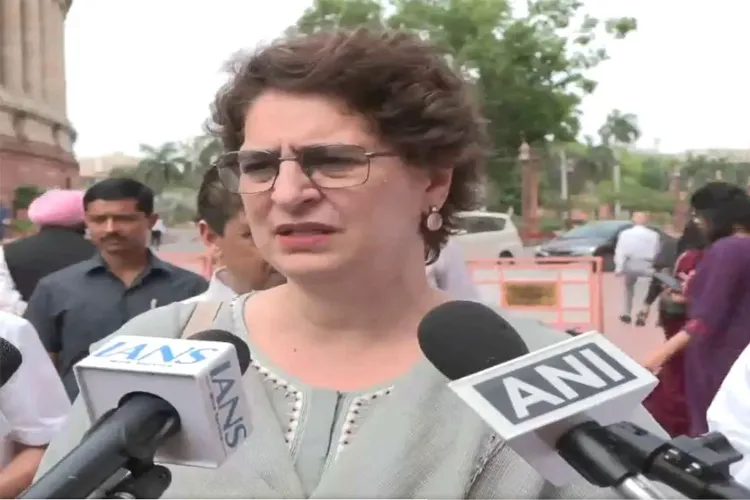
Congress MP Pramod Tiwari on Monday criticised Pakistan's role as a mediator in the West Asia conflict, calling it a "black day" for Indian foreign policy.
Speaking to ANI, Tiwari slammed the Modi government, saying Pakistan, known for harbouring terror, is being considered a mediator by US President Donald Trump.
This comes amid reports that Pakistan is acting as a key mediator between the United States and Iran to resolve the war that began on February 28, 2026.
He added that while this happens, India's "Vishwaguru" (referring to Prime Minister Narendra Modi) is focused on election campaigning, carrying a 'Kamandal' around, calling it a black day for Indian foreign policy.
Tiwari argued that for a country India considers a "nursery of terror" to be elevated to the role of a peacemaker by a "friend" like Trump is a massive failure of the Modi government's "personality-driven" foreign policy.
"The Pakistan that wiped off the Sindoor of 26 women of the nation, who are a nursery of terror, is claimed to be a mediator by President Trump. And our Vishwaguru is carrying a 'Kamandal' around, campaigning for elections; this is a black day and a signal towards the end of the golden period of the Indian foreign policy," Tiwari told ANI.
He also accused PM Modi of campaigning for Trump's re-election with the slogan "Ab Ki Bar Trump Sarkar", highlighting the Trump government's respect for Pakistan. This is a reference to PM Modi's 2019 "Howdy Modi" event in Houston. Tiwari is using it to point out a perceived lack of reciprocity: despite Modi's vocal support for Trump in the past, the Trump administration is now bypassing India in favour of Pakistan for regional mediation.
"PM Modi raised a slogan of 'Ab Ki Bar Trump Sarkar' and see what respect the Trump government has for Pakistan and how it is insulting India. We are ashamed," he added.
Meanwhile, External Affairs Minister S Jaishankar previously dismissed these criticisms, stating at an all-party meeting on March 25, "India is not a broker country (dalaal). Pakistan has been 'used' as a go-between by the US since 1981; there is nothing new or prestigious about it."
Prime Minister Narendra Modi had conveyed to Trump that India wants the war to end, as it affects everyone.
US President Donald Trump has claimed that indirect negotiations between the United States and Iran, facilitated by Pakistani intermediaries, are showing "positive progress," according to the Financial Times.
Pakistan is currently hosting high-level talks in Islamabad, involving foreign ministers from Saudi Arabia, Turkey, and Egypt, to discuss a ceasefire in West Asia.
Speaking about the backchannel diplomacy, Trump said talks are underway through Pakistani "emissaries," though he did not provide specific details on a possible ceasefire or reopening of the Strait of Hormuz.
Earlier, US Special Envoy to the Middle East Steve Witkoff stated on Thursday that a 15-point action plan for a potential peace deal with Iran had been circulated through the Pakistani government, acting as mediator. Witkoff described the initiative as a positive step that could benefit Iran, the region, and the world.
According to Witkoff, the plan was delivered under strict confidentiality and aims to convince Iran to cease hostilities. "We have, along with your foreign policy team, presented a 15-point action list that forms the framework for a peace deal. This has been circulated through the Pakistani government... If a deal happens, it will be great for the country of Iran, for the entire region and the world at large," he said.
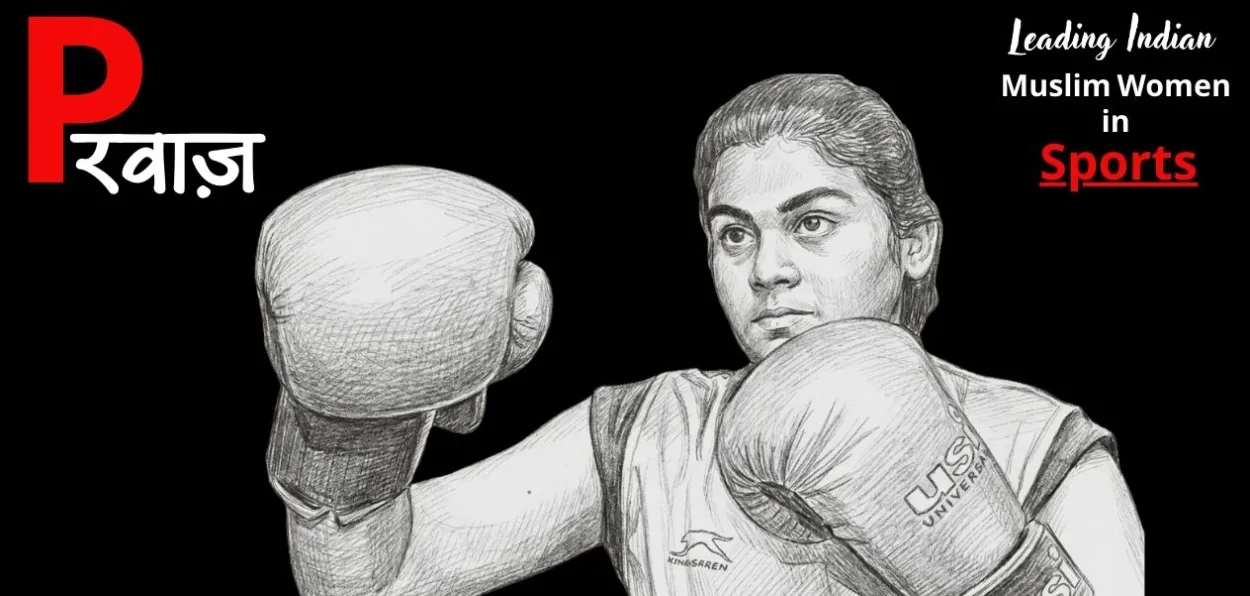
READ MORE: Alfiya Pathan: The rising boxing Star from Nagpur, aspiring to be the Next Mary Ko
However, Tehran has rejected the proposal, insisting that any cessation of hostilities will occur only on its own terms. A senior political-security official cited by Press TV described the American plan as one-sided and excessive, adding that Iran will continue its defensive operations until its conditions are met. These include a halt to aggression, recognition of sovereignty over the Strait of Hormuz, reparations, and guarantees across all fronts involved in the conflict.
The ongoing conflict between Israel and the US on one side and Iran on the other began on February 28, causing disruptions in global energy supplies.

.webp "Justice Poonam A. Bamba with Captain Amarinder Singh")







.webp "Andhra Pradesh Chief Minister Chandrababu Naidu")
.webp)
.webp)