Tirupati
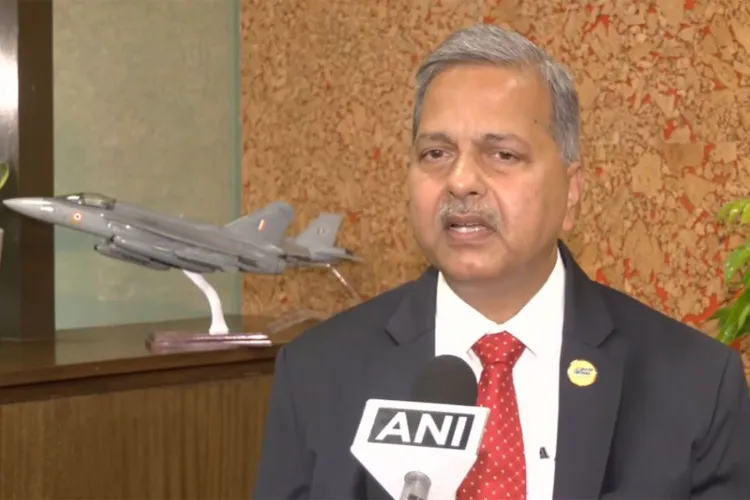
ISRO’s Polar Satellite Launch Vehicle (PSLV)-C62 mission, which carried the ‘Anvesha’/EOS-N1 satellite along with 15 co-passenger satellites, encountered an anomaly near the end of the PS3 burn phase on Monday, ISRO Chairman V. Narayanan said.
The Indian Space Research Organisation confirmed that a detailed analysis of the mission data has been initiated. “A detailed analysis has been initiated,” ISRO said in a post on X.
Explaining the situation, Narayanan said the four-stage PSLV vehicle performed normally through most of the flight. However, a disturbance was observed towards the end of the third stage, leading to a deviation from the planned flight path.
“Today, we attempted the PSLV-C62/EOS-N1 mission. The PSLV is a four-stage vehicle with two solid and two liquid stages. The vehicle’s performance was as expected up to near the end of the third stage. However, towards the end of the third stage, we observed increased disturbance in the vehicle, followed by a deviation in the flight path. We are analysing the data and will share details at the earliest,” Narayanan said.
The PSLV-C62 mission marked ISRO’s first major launch of 2026 and was launched from the First Launch Pad at Sriharikota. The mission was intended to place an Earth observation satellite into orbit.
The launch was undertaken by NewSpace India Limited (NSIL) and represented the ninth dedicated commercial mission for building and launching an Earth Observation satellite.
For the first time, a single Indian private company, Hyderabad-based Dhruva Space, contributed seven satellites to the mission. Dhruva Space CFO and co-founder Chaitanya Dora Surapureddy said the company had built four of the satellites itself.
“We launched four satellites that we built—three for customers and one for ourselves. We also supported other companies with the integration of satellites onto the rocket. In total, nine systems built by us were part of this mission,” Surapureddy said.
He added that the satellites were designed for low data-rate communication and could be used by amateur radio operators.
READ MORE: Real Hero Hussain Mansuri wins hearts of blind Pune students
“These satellites are meant for low data-rate communication, which amateur radio operators can utilise. It also serves as a demonstration of such communication capabilities,” he said.














_(1).webp)