




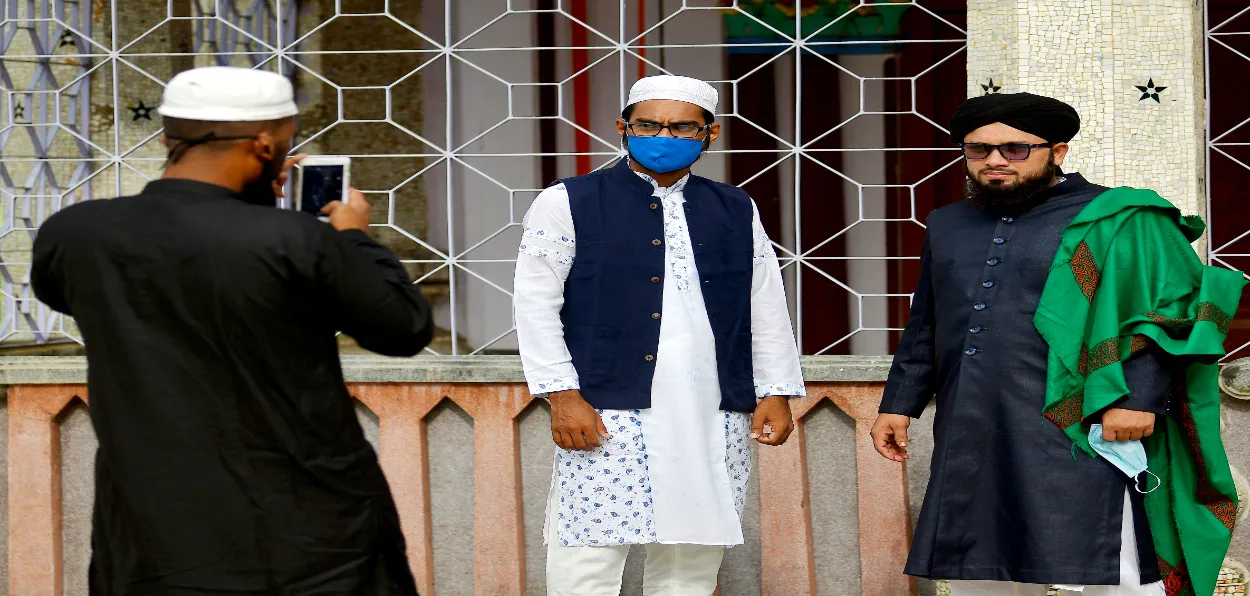
Owais Saqlain Ahmed
At 18, we are stressing out either about college or a social media update. The likes of Usama ibn Zayd were leading an army of 3,000 combat-ready soldiers, with seasoned fighters like Abu Bakr and Umar, who were double his age. Those who questioned Prophet Muhammad's move were promptly told that it's not age but ability that counts.
National Youth Day, observed every year on January 12th to commemorate Swami Vivekananda's birthday, reminds us that youth aren't the leaders of tomorrow; they're the leaders of today.
For Muslim youth in 2026, this is an implication with great relevance. According to Pew Research, the Muslim population younger than 30 constitutes 60% of the world's Muslim population. That's more than an alarming ratio of untapped resources.
Early Islam understood this instinctively. Muadh ibn Jabal mastered Islamic jurisprudence so thoroughly by his teens that the Prophet sent him to Yemen as judge and governor at eighteen. Picture the desert dust on his sandals, the weight of decisions settling on young shoulders as he travelled alone to govern an entire region.
Ali ibn Abi Talib was 10 when he embraced Islam; 15 when he slept in the Prophet's bed knowing assassins lurked outside, his heart steady as he pulled the blanket close.
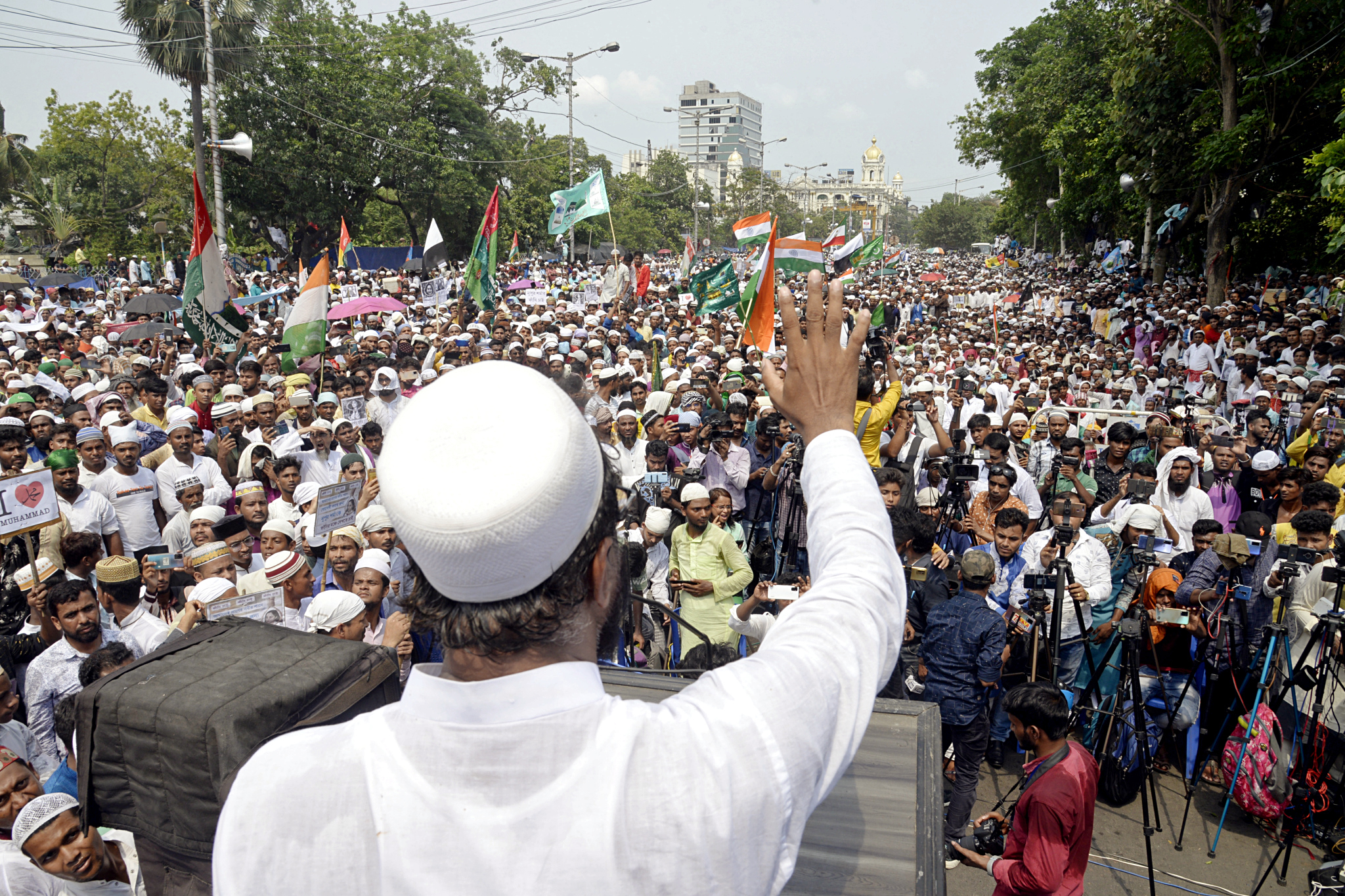
Muslim youth participating in a rally in Kolkata
These weren't exceptional cases. They were the standard. The Prophet identified potential early and gave youth real stakes, not symbolic participation.
But let’s get real for us right now. You're constantly defending your identity online, explaining that no, you're not oppressed, and yes, you can be Muslim and pursue dreams that don't fit into anyone's neat categories.
According to a 2023 Institute for Social Policy and Understanding survey, 42% of American Muslim youth report experiencing religion-based bullying.
Maybe you've felt that exhausting split—trying to be "Muslim enough" for your community while being "normal enough" for everyone else.
Can I pursue music or art? Does choosing business over religious studies make me less faithful? Why am I always explaining that my faith has nothing to do with violence?
These forces cause fractures, and to be honest, it is often easier to go backwards. Some turn to dogmatic ideology that promises to clarify the chaos. Others just disengage, exhausted from having to explain themselves. Both reactions seem understandable when you find yourself alone. But that is precisely where the danger begins to creep in.
In 2020, the United Nations released a report indicating that young radicals enter extremist groups more out of identity crises and feelings of alienation and seeking purpose than ideology. Mainstream society is not giving them the thing that each one among us needs more than anything else: connection and direction.
The Quran reminds us, "Allah is the One who created you from weakness, then made after weakness strength" (Surah Ar-Rum, 30:54).
Your youth isn't a limitation—it's your season of strength, designed for impact.
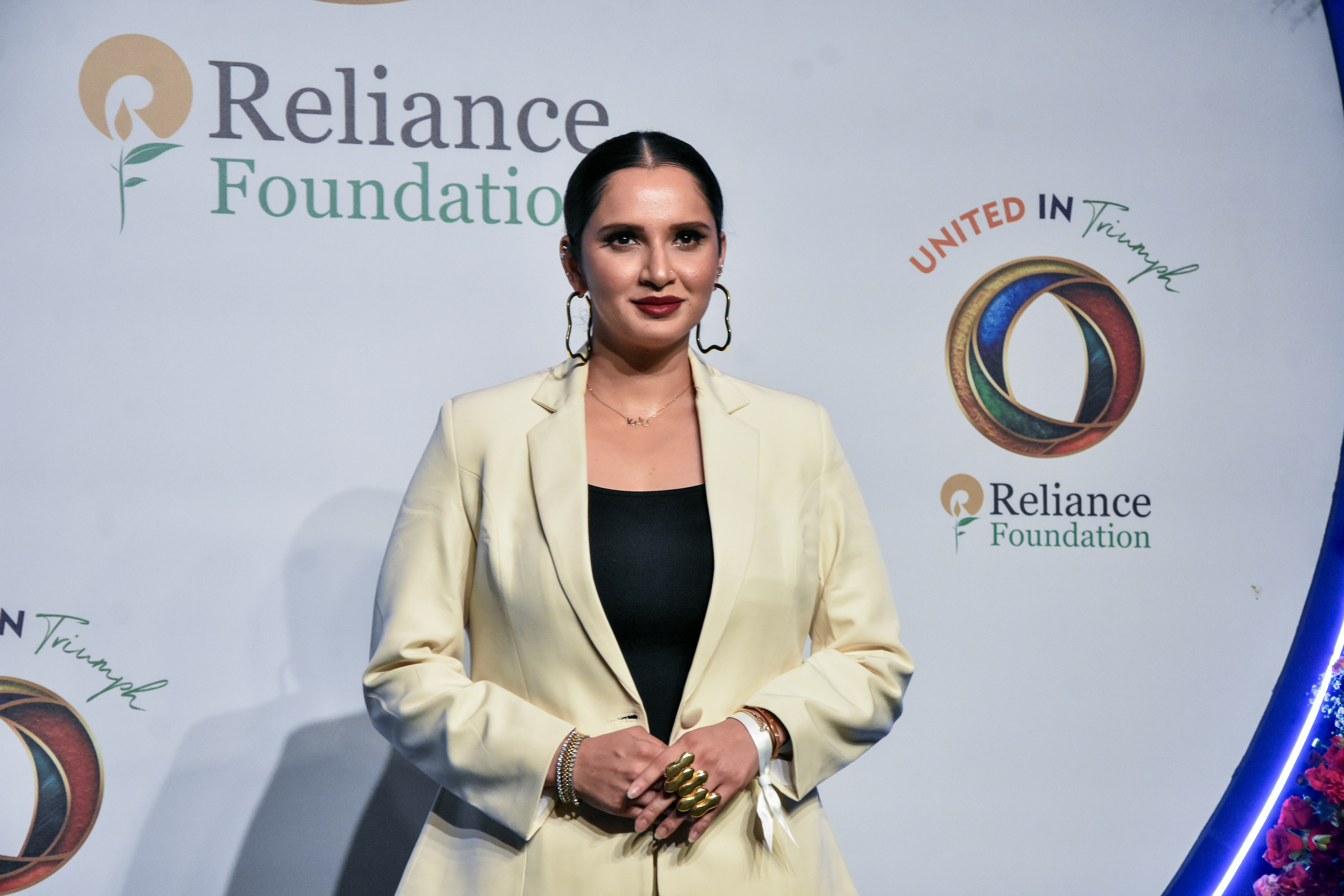
Youth icon tennis star Sania Mirza brings laurels to India
Think about Ibtihaj Muhammad. At the 2016 Rio Olympics, she became the first Muslim American woman to compete wearing hijab, winning bronze in team sabre fencing. Before that medal, she was a teenager who loved fencing but got told she'd have to remove her hijab to compete seriously.
She could've walked away. Instead, she proved you don't need to choose between faith and excellence. Now she runs Louella, a modest fashion brand, works with the U.S. State Department, mentoring young athletes globally, and has written bestselling books. She's not preachy about it—she just lives it, showing millions that being visibly Muslim and world-class aren't contradictions.
Here's what data tells us about fighting radicalisation: community works. A 2019 study in the Journal of Strategic Security found that youth in structured mentorship programs showed 73% lower vulnerability to extremist recruitment. That tracks perfectly with Islamic history.
The Prophet established the Suffah, essentially a live-in program where young Muslims studied, trained, and built brotherhood. They weren't isolated in rigid bubbles—they were integrated into the mosque community, seeing daily examples of Islam practised with compassion, wisdom, and nuance.
We need a modern-day version of that -- A space where you can ask tough questions without being questioned about your faith and questions lead to growth. It’s a space where being Muslim is about becoming the best version of yourself, not about the things you don’t do.
This is in no way about watering down anything—about the prophet trusting young people with so much responsibility just because he had taken the time to prepare them for it.
The Prophet said, "Take advantage of five before five: your youth before your old age." He wasn't telling us to wait until we're older to contribute. He was saying youth itself is a window that closes faster than we think. Usama didn't ask permission to matter at eighteen. Neither did Muadh nor Ali. They had communities that saw their potential and created space for them to grow.
Are we building those communities today? Are we creating mentorship networks where older Muslims invest in younger ones with genuine guidance? Are we leaving space for youth voices to shape our direction, or just expecting them to absorb what we tell them?
ALSO READ: Sharifa Khanam: the fairy godmother of battered Muslim women
Because the alternative isn't that young Muslims will wait patiently. They'll find purpose and belonging somewhere. The only question is whether we're offering something compelling enough to compete with everything else calling for their attention.








.webp "Nepal’s interim Prime Minister Sushila Karki")
.webp "Awaz-e-Khwateen’s virtual felicitation for the reel-making contest")
.webp)