Eman Sakina
Ramzan arrives each year like a guest of honour—gentle yet powerful, spiritual yet practical. It does not ask us to abandon the world, nor does it encourage us to drown in it. Instead, it teaches us how to live in the world while keeping our hearts firmly connected to Allah.
Managing deen (faith) and dunya (worldly responsibilities) during Ramadan is not about choosing one over the other; it is about harmonising both with wisdom and sincerity.
For many Muslims today—students, professionals, parents, entrepreneurs—the month of fasting unfolds amid deadlines, exams, office meetings, and household duties. The real challenge is not lack of time, but lack of balance. Ramadan, however, is the perfect training ground for that balance.
1. Understanding the Purpose of Ramzan
Allah says in the Qur’an: “O you who believe, fasting is prescribed for you as it was prescribed for those before you, that you may attain taqwa.” (2:183)
The goal is ‘taqwa’—God-consciousness. Ramadan is not merely about reducing food intake; it is about increasing awareness of Allah in every aspect of life. When this perspective settles in the heart, managing deen and duniya becomes easier. Work becomes worship when done with sincerity. Family care becomes charity when done for Allah’s pleasure. Earning halal income becomes an act of obedience.
Ramadan does not ask us to escape our responsibilities. Rather, it teaches us to elevate them.
2. Begin with Intention (Niyyah)
The Prophet said, “Actions are judged by intentions.” A simple shift in intention can transform worldly tasks into acts of worship.
Going to work? Intend to earn halal ‘rizq’.
Cooking iftar? Intend to serve fasting people.
Studying for exams? Intend to gain beneficial knowledge.
When intention is corrected, the divide between deen and dunya begins to dissolve. You are no longer juggling two separate lives; you are living one unified life centred on Allah.
3. Structure Your Time Wisely
Ramadan rewards those who plan. Without structure, exhaustion can take over and spiritual goals may slip away.
Practical strategies:
Sleep earlier to protect Fajr and Tahajjud.
Use early mornings for Qur’an recitation when the mind is fresh.
Avoid unnecessary social media scrolling.
Prepare simple meals to save energy and time.
Even small, consistent acts matter. Reading two pages of Qur’an after every salah will complete the Qur’an by the end of the month. Consistency brings barakah.
4. Protect the Obligations First
Balance does not mean overburdening yourself with optional acts while neglecting duties. Farz (obligatory acts) always come first:
Five daily prayers on time
Fasting properly (not only from food, but from sins)
Honest work and ethical dealings
Kindness toward family
If you are exhausted from long nights and it affects your job or family responsibilities, reassess. Islam is a religion of moderation. Even the Prophet discouraged excessive worship that leads to burnout.
At the same time, carve out a small personal space for private dua and reflection. Even ten quiet minutes can renew the soul.
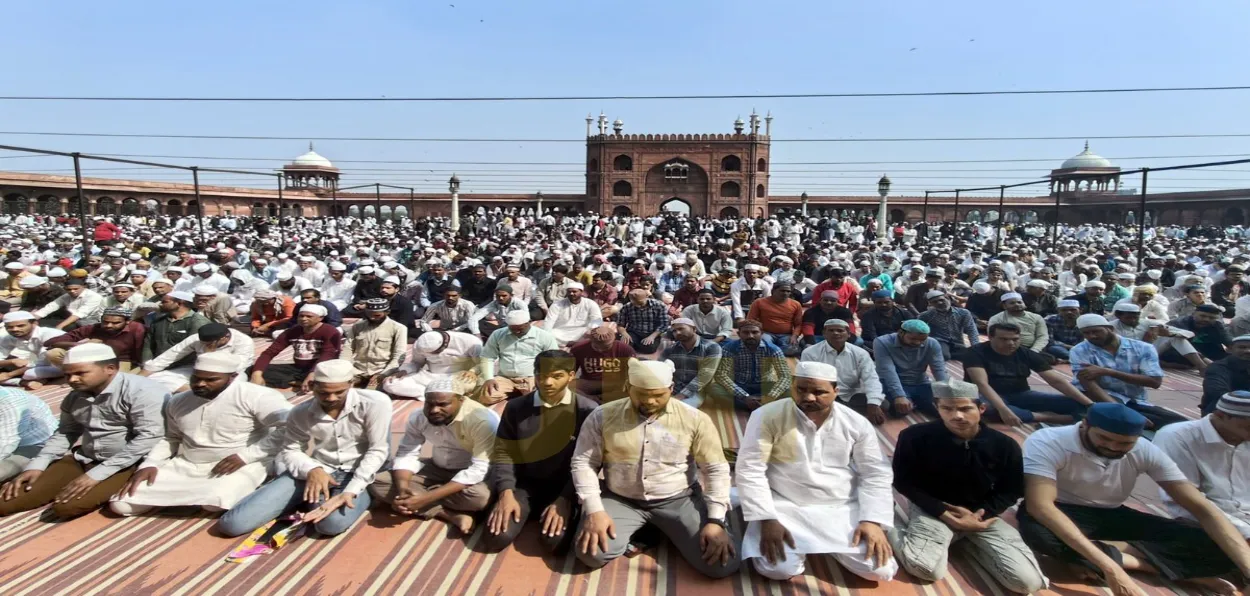
#WATCH | Devotees congregate at Delhi's iconic Jama Masjid to offer prayers on the 9th day of Ramzan pic.twitter.com/ybg1wwQbia
— ANI (@ANI) March 31, 2023
5. Create Spiritual Anchors in Your Day
In the rush of daily life, spiritual anchors keep the heart steady.
Begin the day with the Qur’an.
Make dhikr during commutes.
Listen to beneficial reminders while doing chores.
Pause for dua before breaking fast.
These moments reconnect you to your purpose throughout the day. Ramadan becomes a continuous state of remembrance rather than a few isolated acts.
6. Balance Family and Personal Worship
Ramadan should strengthen family bonds, not strain them.
Pray together at home when possible. Read short hadith after iftar. Involve children in preparing for suhoor. Share reflections from the Qur’an. When worship becomes collective, it becomes lighter and more joyful
7. Avoid the Productivity Trap
In today’s world, Ramadan is sometimes reduced to a checklist culture: complete the Qur’an twice, pray extra rak‘ahs, attend every lecture, cook elaborate meals, maintain perfect work output.
But Ramadan is not a competition of exhaustion. It is a journey of sincerity.
Doing less with focus is better than doing more with distraction. Quality outweighs quantity. A heartfelt dua at iftar may weigh more than hours of distracted recitation.
8. Maintain Excellence at Work or Study
Some assume that fasting justifies laziness or poor performance. In reality, Ramadan should refine character.
The Prophet emphasised that fasting is not only from food but from bad character. If Ramadan improves your work ethic and manners, then you are truly balancing deen and dunya.
9. Embrace Simplicity
One of the biggest drains during Ramadan is overcomplicating worldly matters—lavish iftars, endless shopping, unnecessary outings.
Simplify your lifestyle during this month. The less you chase the dunya, the more space you create for the akhirah.
Ramadan teaches detachment. You learn that you can live with less food, less entertainment, less distraction—and still survive. This realisation is powerful.
10. Make Dua for Balance
True balance is not achieved through planning alone. It is granted by Allah.
When Allah puts barakah in your hours, tasks that once felt overwhelming become manageable.
As Ramadan unfolds, strive not for perfection, but for presence. Be present in your salah. Present with your family. Present in your work. And above all, present before Allah.
ALSO READ: AIMIM Corporator Sameena Begum connects with masses through social work
When the month ends, the real success is this: you emerge not having escaped the world, but having learned how to live in it with a heart anchored in faith.