Tarun Nandi / Kolkata
The residents of Swarupnagar in Basirhat sub-division on the West Bengal have been feeling unsafe due to rampant infiltration, and smugglers sneaking in from Bangladesh. They have not only identified the spots most vulnerable to infiltration but also asked the government to install barbed wire.
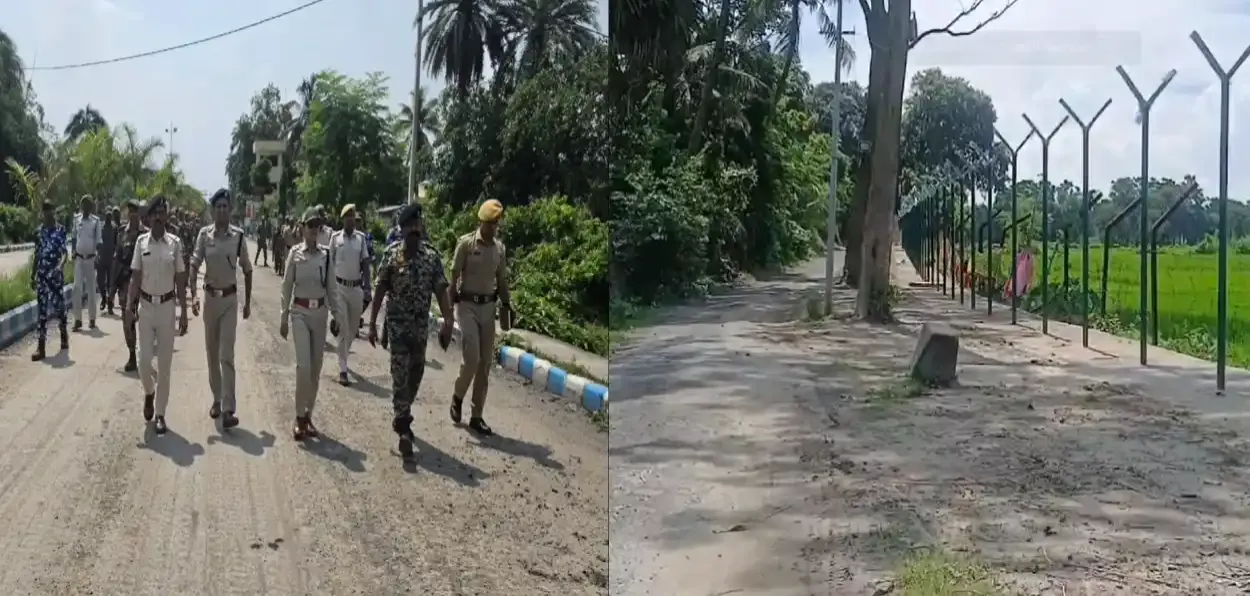
When a team of officials led by SP Alkananda Bhawal and Additional SP visited the village to inspect the border area for proposed fencing as part of the new government's priorioty to check infiltration from neighbourhood, the villagers pointed out Tarali, Nityanandakathi, and other spots that see the most infiltration.
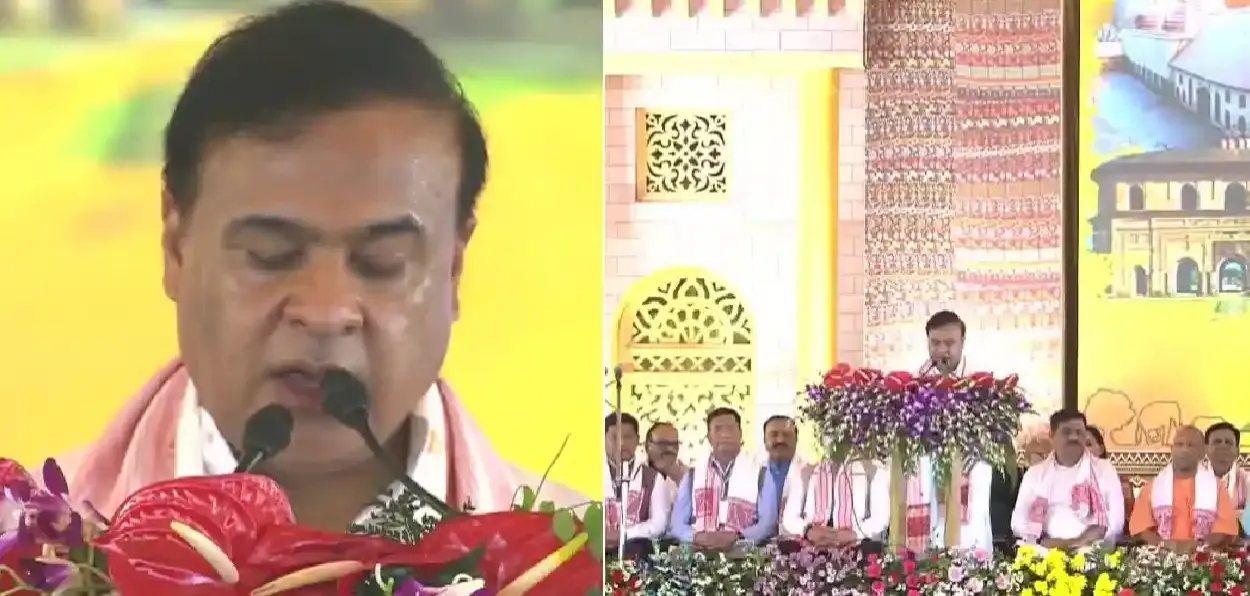
With the BJP government taking charge in Kolkata, Chief Minister Suvendu Adhikari has prioritised fencing the India-Bangladesh border. Chief Minister Suvendu Adhikari had announced at the first meeting of the new cabinet in Navanna that the land required for the construction of a barbed wire fence on the India-Bangladesh border would be handed over to the BSF within the next 45 days.
Earlier, the TMC government of Mamata Banerjee had refused to give the land to the BSF for wire fencing. This became a major issue in the elections.
Soon, SP Alkananda Bhawal and Additional SP Parth, accompanied by officers, visited the border villages and marked these 'unsafe' places in Basirhat. They also held a meeting with BSF officials on border security issues.
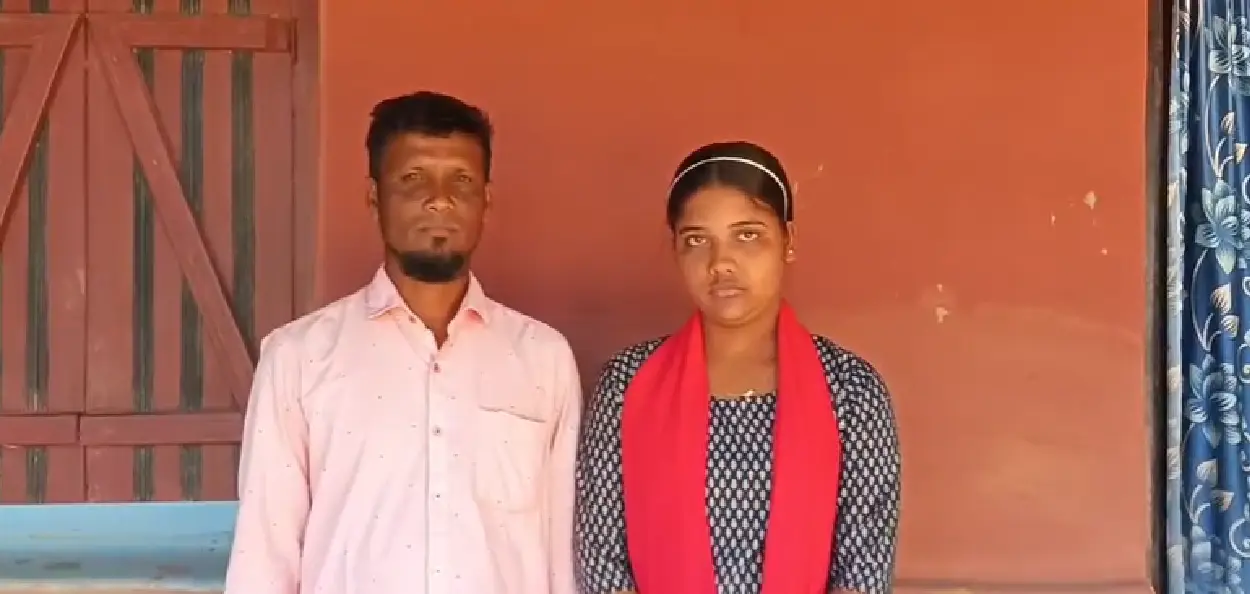
The villagers told the official teams that they are ready to give up their fertile land for the nation’s security. They said that there was nothing more urgent and important than national security, and they were ready to lose their farmland for it.
The villagers offered their land to the government for the construction of a barrier for infiltrators and smugglers and told officials they want a safe and secure border.
A total border area of 96 km from Hakimpur in Swarupnagar to Samsernagar No. 4 in Hingalganj under Basirhat police district is to be fenced with barbed wire.
The geography of this vast region is very complex. This includes about 50 km of water border and 46 km of land border. Some 20 km of the 46 km border remains insecure due to the lack of fencing.
According to the Union Home Ministry, about 569 km of the 2,216.7 km international border with Bangladesh remains unfenced and prone to infiltration.
Of these, 112.78 km is not fenced because of the terrain, while the remaining 456.22 km is fit for fencing. The barbed wire installation was stalled for a long time due to land acquisition problems, along with geographical constraints.
However, the new Bengal Chief Minister, Shubhendu Adhikari, has set a deadline for the land transfer process. According to administrative sources, the border areas that do not have barbed wire are being quickly identified and documented. Efforts are being made to complete all legal processes within the stipulated 45 days as directed by the Chief Minister.
Indian farmers whose land remains across the barbed wire in the areas along the Panirat or Satakshira border have also welcomed the government's efforts. Many have given up their two- or three-crop land and said, "The security of the country comes first, then our agriculture.
The border residents claim that the barbed wire fence by the administration will completely stop the smuggling or infiltration of cattle, and they will be able to sleep peacefully at night.
The locals are clear that the government should acquire the land and complete the construction of the fence as soon as possible for the sake of security and peace.
The security of this long border stretching from Doors in North Bengal to the Sundarbans in South Bengal is an integral part of national security.
ALSO READ: Syed Tanveer Nasrin: Ambassador of culture, women rights and harmony
Experts believe that the long-standing problem of border fencing will be solved soon with the efforts of the police administration and the BSF.










.webp "Home Minister Amit Shah")
.webp "Chief Minister Himanta Biswa Sarma")

_(1).webp)
.webp)
.webp)