Today, she is regarded as one of Pune’s most respected educationists and social reformers. Her contribution to the development of the renowned Azam Campus has played a transformative role in bringing students from minority and Bahujan communities into the mainstream of education.
Born on June 4, 1949, Abeda Inamdar was the fourth among ten siblings. Raised in a family rooted in discipline and values, she developed a strong passion for learning from an early age. She completed her post-graduation in Commerce (M.Com.) from Pune University and later joined the Customs and Central Excise Department as an Executive Officer.
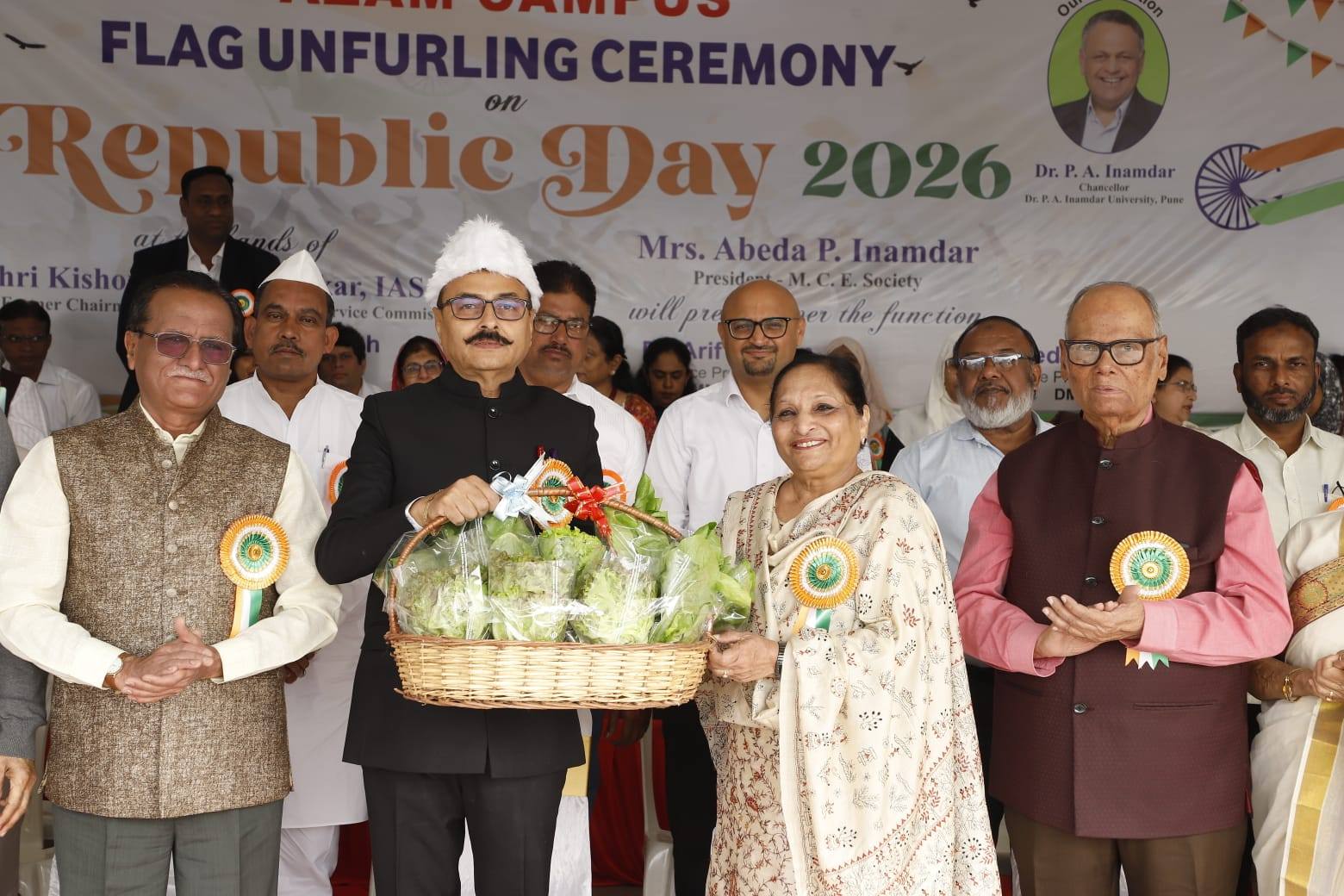 Dr. Abeda Inamdar with others celebrating fla unfurling ceremony
She served in responsible positions in Pune and Mumbai before deciding to pursue a larger social mission. In 1972, she married Dr. Peerpasha A. Inamdar, and in 1981, she resigned from her government job to dedicate herself fully to educational and social work.
“Education is the only tool that can bring social, economic, and political change,” she firmly believes.
Abeda Inamdar realized early that girls from Muslim and Bahujan communities remained far removed from educational opportunities. She consistently advocated the idea that educating women is essential for the progress of society.
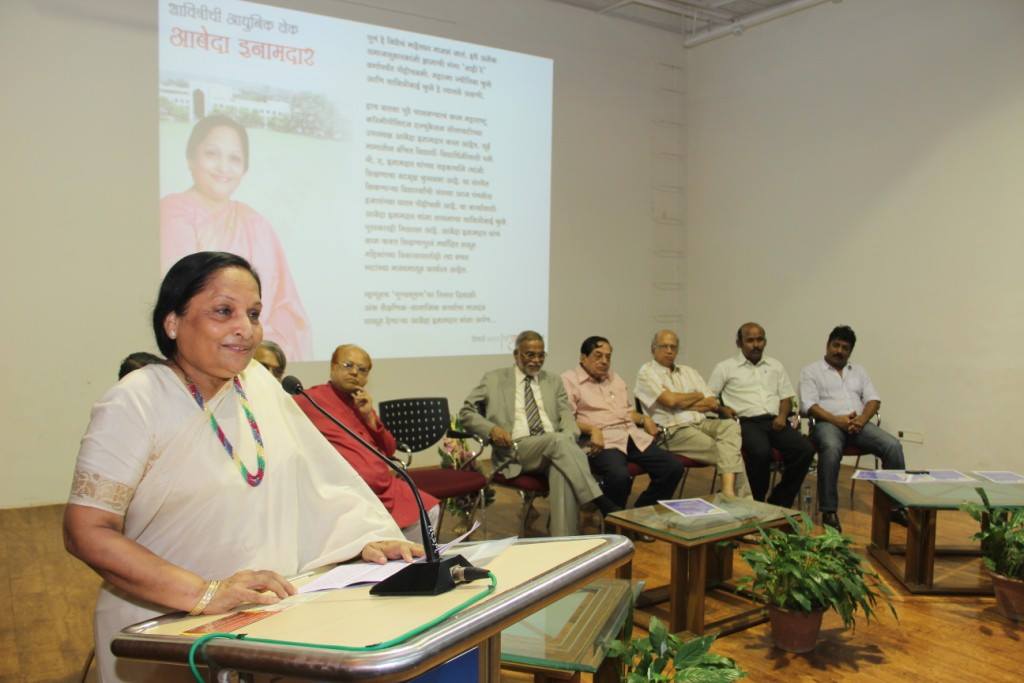 Dr. Abeda Inamdar delivering a public lecture
According to her, education not only broadens perspectives but also frees individuals from ignorance and dependency. She has often emphasized that investment in girls’ education yields the greatest returns for societyWith this vision, she played a key role in expanding the Maharashtra Cosmopolitan Education Society’s Azam Campus in Pune. Under the leadership of Dr. P. A. Inamdar and Abeda Inamdar, the institution grew from just four schools into one of Maharashtra’s leading educational hubs.
Today, the 24-acre campus houses more than 32 educational institutions, serving over 30,000 students in disciplines including Arts, Science, Commerce, Law, Pharmacy, Management, and Information Technology. A large number of students, especially from minority communities, have benefited from these institutions.
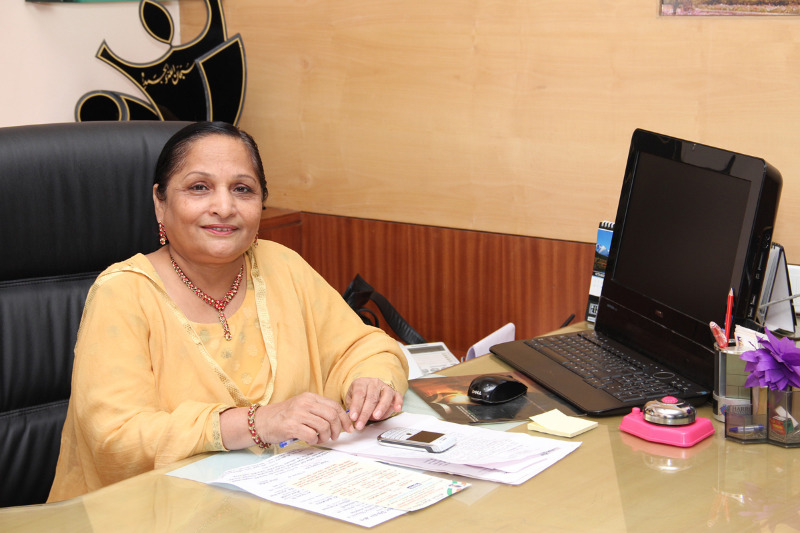 Dr. Abeda Inamdar in her office
She also established the Abeda Inamdar Junior and Senior College for Girls and made substantial personal contributions toward its growth. Today, thousands of young women receive education there and pursue independent careers with confidence.
Her work has significantly contributed to the social and economic upliftment of minority communities, particularly Muslims. Generations of students educated through these institutions now hold respected positions in various professions.
Abeda Inamdar’s contributions extend beyond Azam Campus. She is a founder member of the recently established Dr. P. A. Inamdar University and has been associated with several educational and social organizations, including the Haji Gulam Mohammad Azam Education Trust, the P. A. Inamdar Education Trust, and the Poona Women’s Council.
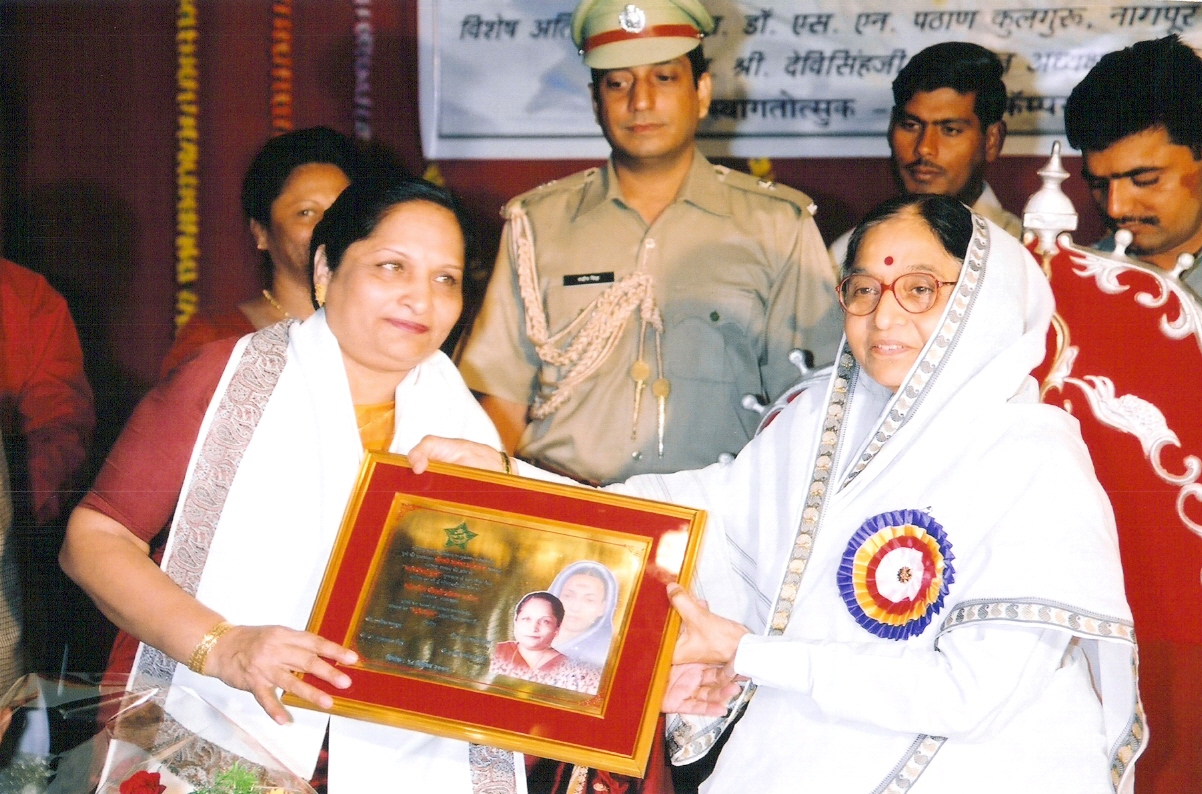 Dr. Abeda Inamdar receiving an award from President Pratibha Patil
Through these institutions, she continues to work for the welfare of students and women at the grassroots level.
Under her leadership, Azam Campus has promoted not only academic excellence but also social harmony and national integration. Recognizing the importance of connecting students with the cultural mainstream of Maharashtra, the campus introduced special initiatives to teach Marathi to Muslim students.
Every year, Shiv Jayanti is celebrated on the campus with enthusiasm and discipline, with thousands of students participating in traditional attire. The initiative reflects her commitment to communal harmony and cultural inclusiveness.
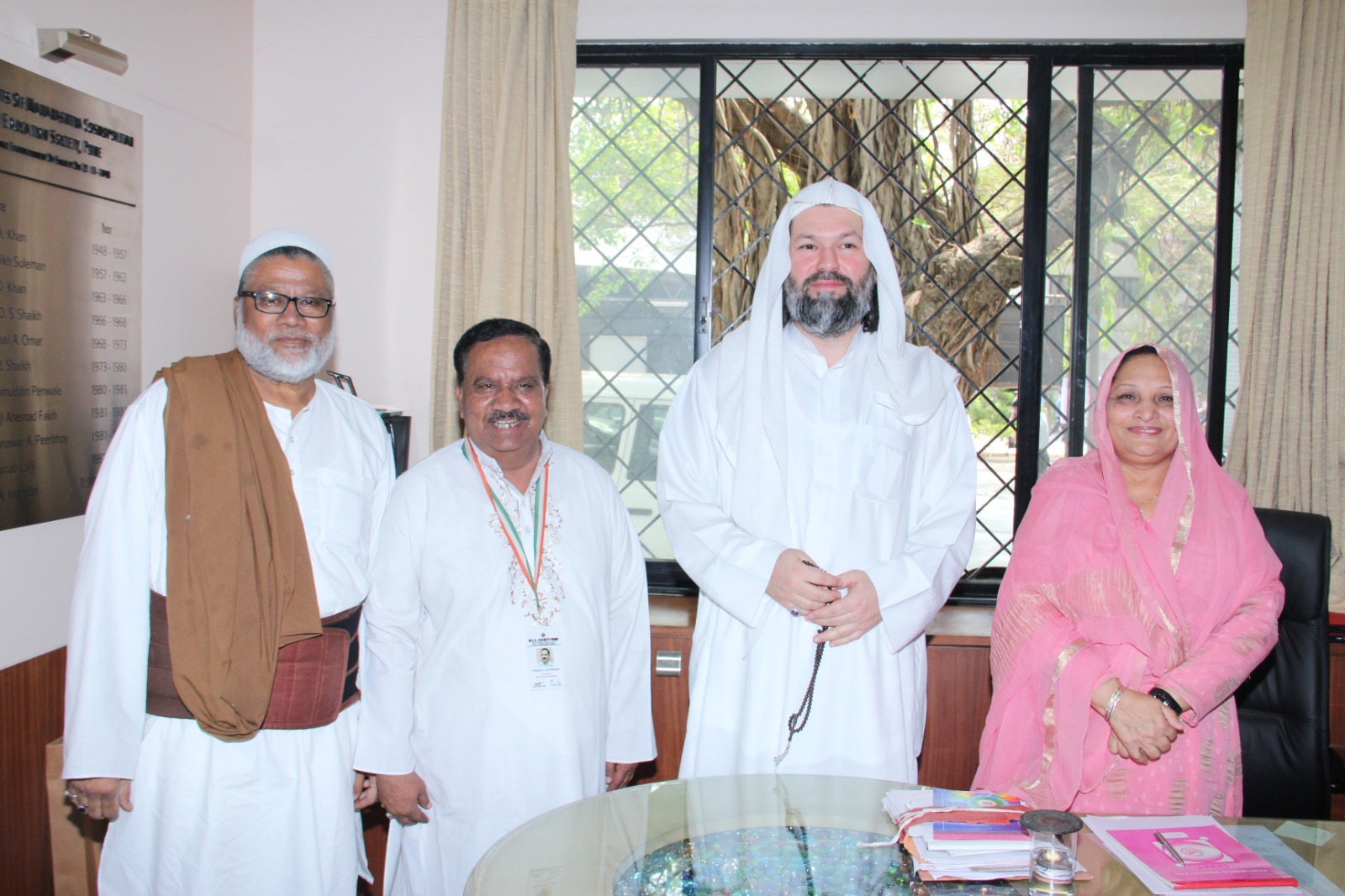 Dr. Abeda Inamdar with others
Similarly, during the annual Pandharpur Wari pilgrimage, medical students and doctors from Azam Campus provide free healthcare services to devotees of Sant Tukaram and Sant Dnyaneshwar when the palkhis halt in Pune.
For Abeda Inamdar, education is not limited to literacy alone; it is a means of empowerment. She believes educated women contribute directly to better family health, social equality, economic growth, and informed decision-making.
To support students’ overall development, Azam Campus offers modern classrooms, laboratories, libraries, Wi-Fi-enabled facilities, and secure hostels for boys and girls. The campus also established the international-standard V. M. Gani Sports Complex, encouraging students, especially girls, to excel in sports.
Students from the campus have won several state and national-level championships in cricket, football, hockey, and other sports.
She also transformed the century-old Deccan Muslim Institute library into a modern information center that provides academic guidance and affordable coaching for competitive examinations.
In academia, she contributed as a senate member of Savitribai Phule Pune University and Swami Ramanand Teerth Marathwada University in Nanded.
 Dr. Abeda Inamdar with Kapil Dev
For her exceptional contribution to women’s education and social service, the Government of Maharashtra honored her with the Savitribai Phule Award. She has also received the Human Rights Award and the Best Facilitator Award from the Foundation for Excellence in the United States.
ALSO READ: Syed Tanveer Nasrin: Ambassador of culture, women rights and harmony
Dr. Abeda Inamdar’s journey from a senior government officer to a pioneering educationist and social reformer remains deeply inspiring. Through vision, determination, and tireless work, she has helped illuminate the lives of thousands of students and transformed education into a powerful instrument of social change.
(The author is the editor of Awaz The Voice Marathi.)





.webp "Dr. Abeda Inamdar")