New Delhi
The Railway Board has identified turnouts—sections of track that allow trains to shift from one line to another—as a critical area requiring heightened maintenance after a majority of track-related derailments this fiscal were linked to these locations.
In a recent communication sent to all railway zones, the Board said that of the 28 derailments attributed to engineering or track-related reasons during 2025–26, as many as 18 incidents, or nearly 65 per cent, took place at turnouts.
Turnouts, commonly referred to as points and crossings, are crucial track components that enable trains to switch between tracks.
Highlighting the trend, the Board said these sections must remain a top priority in track upkeep and safety monitoring.
Based on an analysis of final causes recorded in the Safety Information Management System, the Board also stressed the need for improved guidance and technical counselling of field officers and supervisors to ensure more accurate identification and analysis of derailment causes.
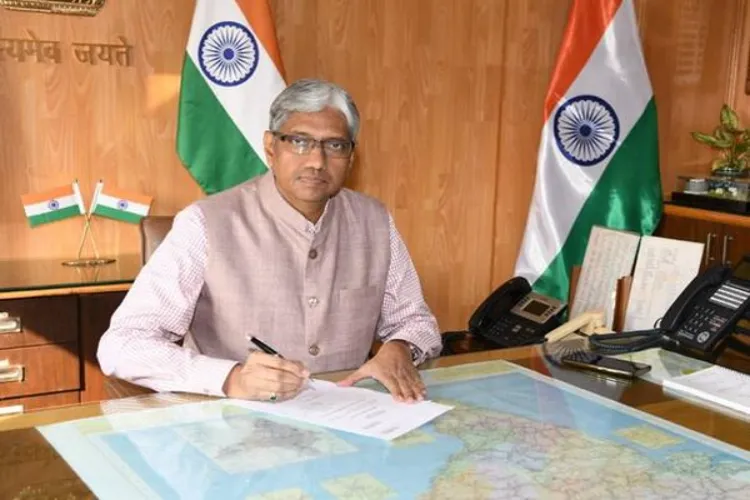
The observations emerged from discussions held between chief track engineers and the Board’s Member (Infrastructure).
During the review, the Member (Infrastructure) instructed officials to place the highest emphasis on quality track maintenance and encouraged a shift from a renewal-driven model toward a maintenance-centric approach.
According to the Board, timely and effective maintenance can improve track reliability, extend infrastructure life and reduce the need for early replacement.
All railway divisions have now been directed to prepare a comprehensive track action plan under the supervision of senior divisional engineers.
The plan is expected to cover both track renewal and routine maintenance activities, with progress to be regularly reviewed by chief track engineers.
While modern instrumentation is increasingly being used for inspections, the Board underlined that manual inspections remain indispensable for a complete evaluation of track conditions.
Officials have also been instructed to intensify on-ground inspections, especially at vulnerable locations such as turnouts, bridges, level crossings, high embankments and sharp curves—particularly where multiple risk factors exist.
The Board further emphasised that maintenance work should be durable enough to avoid repeated repairs at the same locations. Sites requiring frequent intervention should be examined in depth and alternative engineering solutions considered.
Railway divisions were also asked to ensure accuracy while entering data into the Track Management System to maintain the integrity of operational records.
Separately, the Board flagged delays in long-pending track infrastructure projects, noting that 141 ongoing works are over a decade old and require around Rs 1,334 crore for completion.
READ MORE: Shah Taj Khan: The scribe who brought Science fiction to Urdu
It added that another 1,997 projects pending for more than five years carry a forward financial liability of nearly Rs 16,868 crore.











.webp "Sanjay Raut")
_(2).webp)