Zanskar Valley, Ladakh
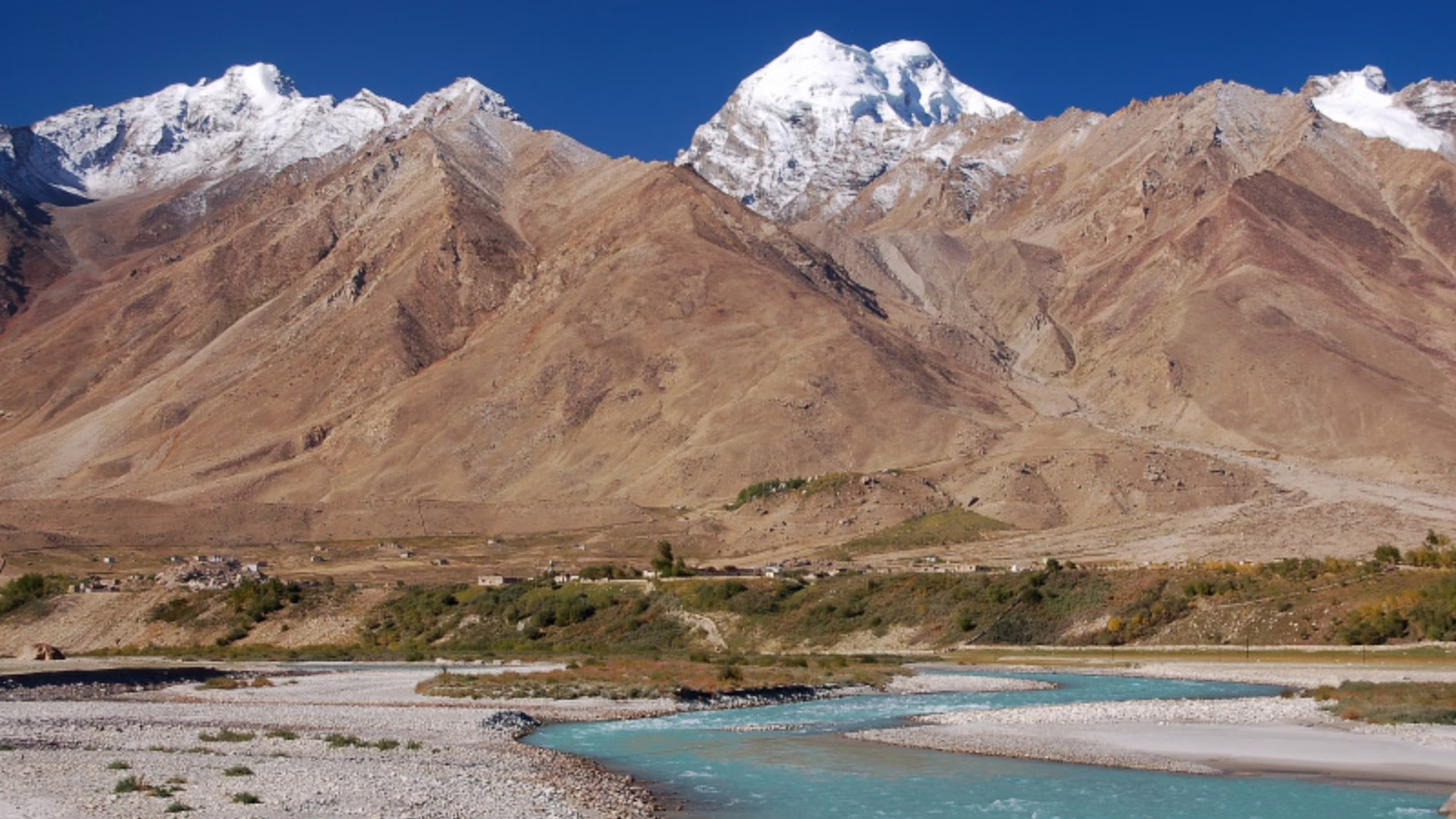
Zanskar Valley
Nestled deep in the Indian Himalayas, Zanskar Valley becomes one of the most cut-off regions in Ladakh during winter. Key mountain passes like Pensi La are closed due to heavy snow, road connectivity collapses, and air travel isn’t an option. Temperatures can plummet to -30°C or lower, freezing rivers and making everyday life extremely challenging. While the famous Chadar Trek allows limited access on foot across the frozen Zanskar River, general tourism halts until spring.
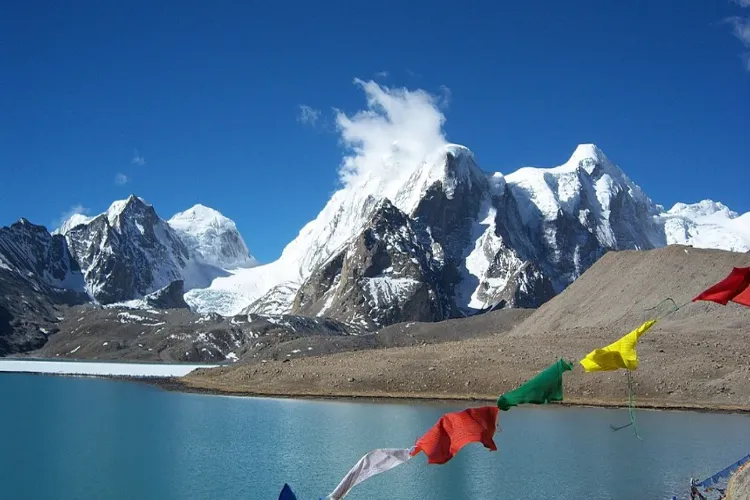
North Sikkim (Gurudongmar Lake & Lachen)

Partially frozen Gurudongmar Lake
North Sikkim is a summer paradise, but winter brings harsh conditions. Popular spots like Gurudongmar Lake, Lachen, and Lachung experience heavy snowfall that blocks roads and affects military supply routes. Civilian permits are often suspended, and icy roads and avalanche risks make travel unsafe. Most areas reopen only when snow starts melting around late March.
Gurez Valley, Jammu & Kashmir
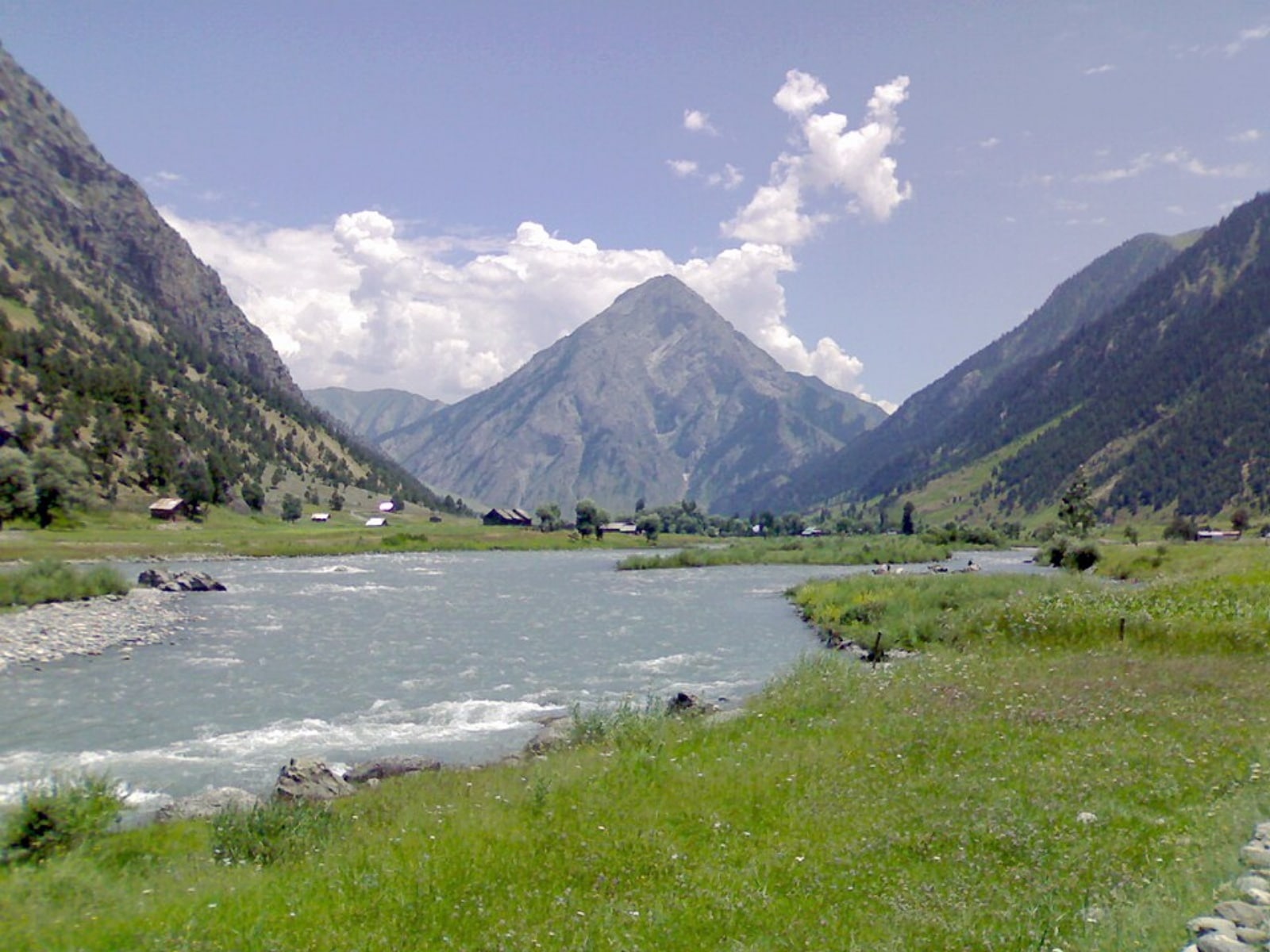
Gurez Valley
Situated near the Line of Control, Gurez Valley faces dual challenges in winter: extreme cold and strategic sensitivity. Heavy snow closes the Razdan Pass, the only road linking Gurez to Bandipora and Srinagar leaving the region isolated. Tourist access is suspended due to both weather and military considerations, keeping the valley largely unreachable until spring.
Upper Reaches of Tawang, Arunachal Pradesh
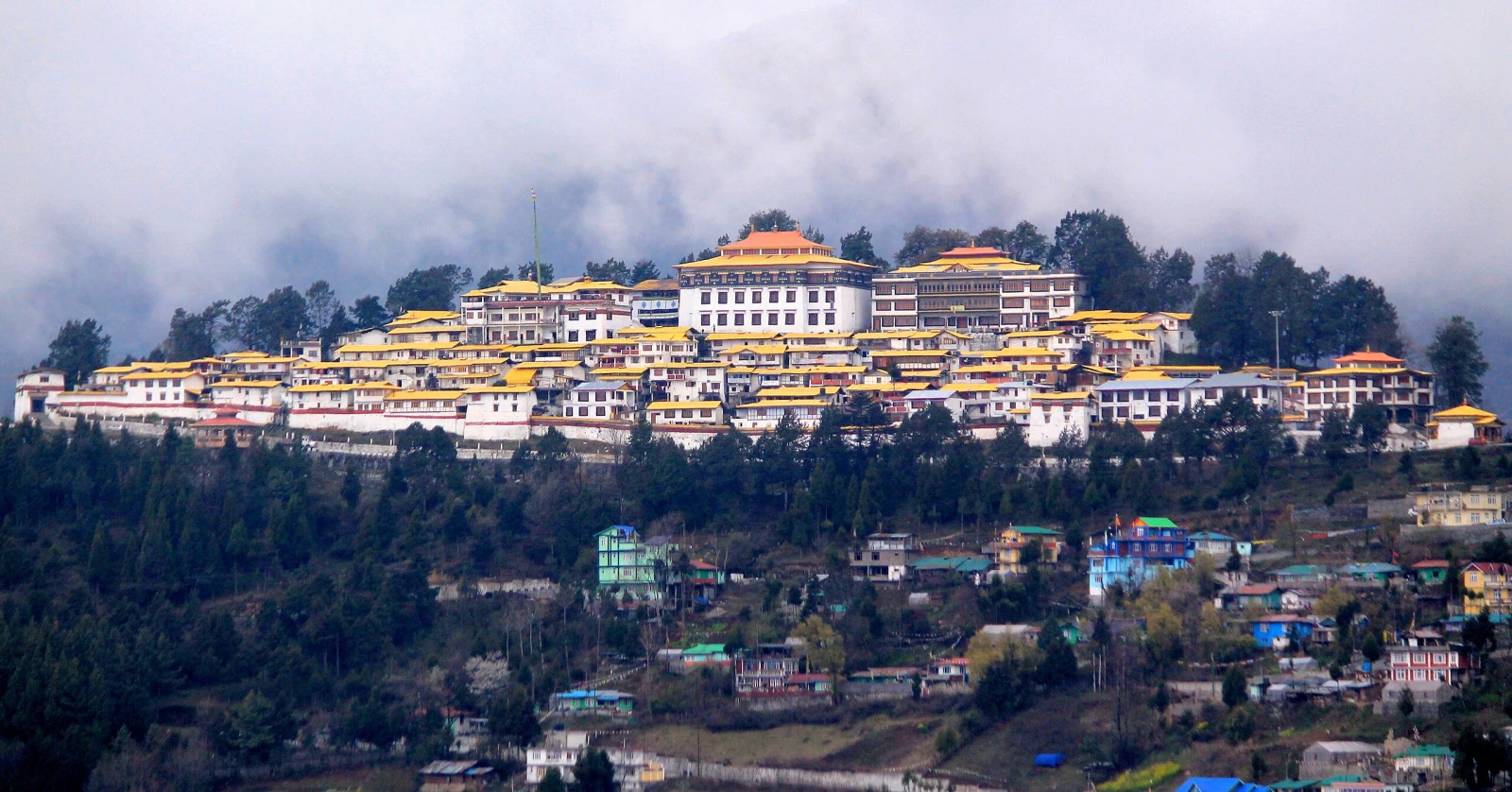
Tawang Monastery
While Tawang town may be reachable in early winter, its higher-altitude villages and passes near the India-China border quickly become inaccessible. Snow, landslides, and sub-zero temperatures block roads, reduce visibility, and restrict travel permits. Interior regions stay cut off for months, with only military convoys allowed occasional passage until the thaw in March.
READ MORE: Nawabzada Mohammad Asif Ali shows the humble side of royalty
Winter may limit access to these remote destinations, but it also adds to their allure making a summer or autumn visit all the more rewarding.
.png)