Eman Sakina
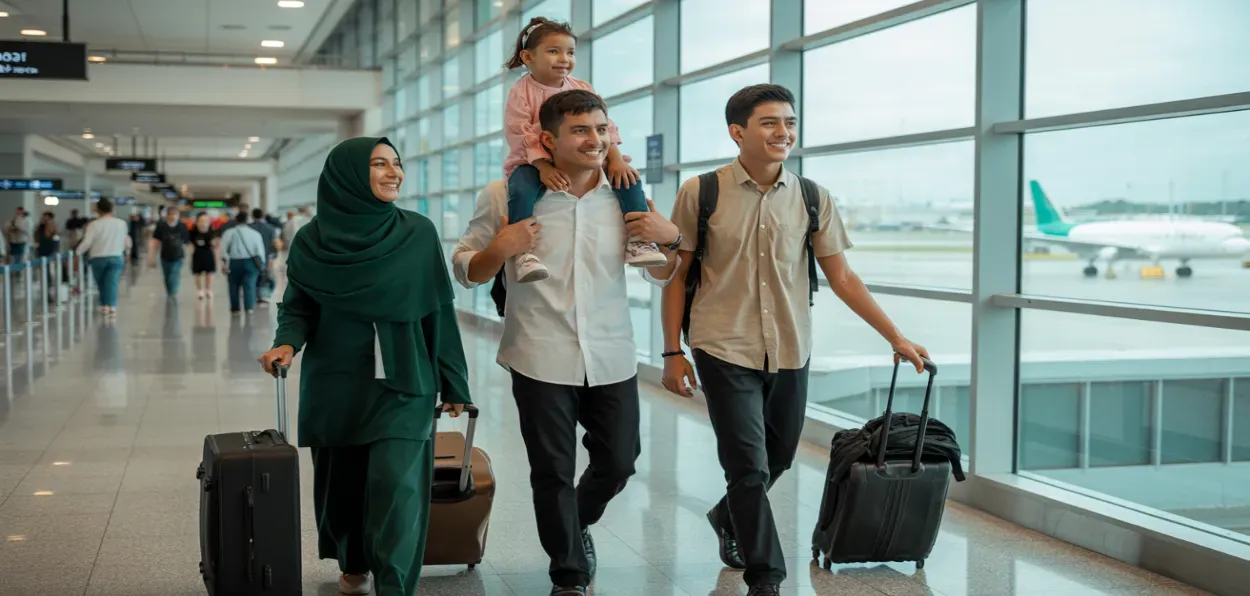
Travelling has always held a meaningful place in Islamic tradition. Long before modern transport made journeys comfortable and quick, Muslims travelled vast distances for trade, knowledge, worship, and the spread of good values.
Friday Musings
In Islam, travelling is not merely a physical movement from one place to another; it is a purposeful act that can become a form of worship when guided by sincere intention and proper conduct.
The Qur’an frequently encourages believers to travel through the earth and reflect upon the signs of Allah. Travelling allows a person to witness the diversity of creation, the rise and fall of past civilisations, and the countless blessings that exist beyond one’s familiar surroundings. These experiences deepen faith, increase humility, and remind a believer of the greatness and wisdom of Allah.
Islam also recognises travel as a means of personal growth. Many companions of the Prophet Muhammad undertook long and difficult journeys to seek knowledge, earn lawful livelihood, strengthen family ties, or perform acts of worship such as Hajj and Umrah. Such journeys were not seen as distractions from faith but as opportunities to strengthen it.
In Islam, actions are judged by intentions. Before setting out on a journey, a Muslim is encouraged to clarify the purpose of travel. Whether the journey is for work, education, visiting family, leisure, or worship, forming a sincere intention transforms the journey into an act of obedience to Allah.
Before travelling, one should:
Ensure that financial matters are settled and debts addressed
Provide for family members left behind
Seek permission and blessings from parents
Pack modest clothing suitable for prayer and dignity
Plan in a way that avoids unnecessary hardship
The Prophet encouraged travellers to leave early and to remain organised, reflecting Islam’s emphasis on balance and foresight.
A distinctive feature of Islamic travel etiquette is reliance on Allah through supplication (du‘a). Before departing, Muslims are encouraged to recite specific prayers, seeking protection, ease, and safety. These supplications remind the traveller that no matter how advanced human means become, ultimate protection comes only from Allah.
Travel naturally involves uncertainty. Islam teaches believers to place their trust (tawakkul) in Allah while taking reasonable precautions. This balance between effort and reliance brings peace of mind and spiritual strength.
Islamic manners do not pause during a journey; rather, they become even more important.
Maintaining Prayer:
Islam grants concessions to travellers, such as shortening and combining prayers, showing Allah’s mercy and understanding of human difficulty. However, prayer itself is never abandoned. This maintains the believer’s connection with Allah even while on the move.
Good Character:
A traveller represents Islam wherever they go. Politeness, patience, honesty, and respect toward fellow travellers, hosts, and locals reflect the true spirit of the faith. Islam strongly discourages arrogance, exploitation, or causing harm to others.
Halal and Modesty:
A Muslim remains mindful of halal food, modest dress, and moral behaviour during travel. Being away from home is not an excuse to compromise on values. Instead, it is a test of sincerity and self-discipline.
Care for Others:
Helping fellow travellers, showing kindness to strangers, and avoiding unnecessary conflict are highly encouraged. The Prophet taught that the best of people are those who are most beneficial to others.
Islam promotes respect for different cultures as long as they do not conflict with Islamic principles. Travelling Muslims are encouraged to be courteous guests, respect local customs, and avoid mocking or belittling others.
Environmental responsibility is also part of Islamic ethics. Wasting resources, polluting, or harming animals contradicts the concept of humans as caretakers (khalifah) of the earth. A Muslim traveller should leave places cleaner and better than they were found.
Upon returning home, gratitude to Allah is emphasised. Safely completing a journey is a blessing that deserves thankfulness. Sharing experiences that inspire reflection, gratitude, and learning—rather than pride or boasting—aligns with Islamic values.
READ MORE: Nawabzada Mohammad Asif Ali shows the humble side of royalty
Travel should leave a believer more aware of Allah’s favours, more compassionate toward people, and more conscious of life’s temporary nature.



_(1).webp "Graves of Sufis at Triveni-Saptagram Khanqah")










_(1).webp)