Ashhar Alam
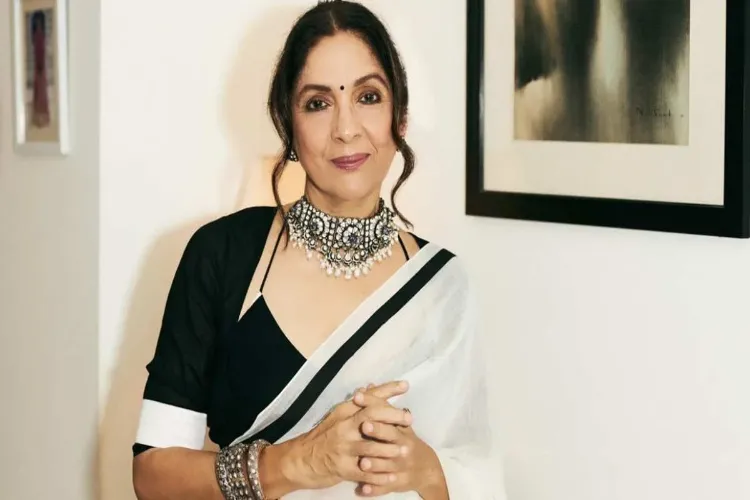
Veteran actor Neena Gupta’s recent conversation with YouTuber Lilly Singh on her podcast struck a deeply emotional chord, laying bare the harsh realities many Indian women continue to live with. At 65, Gupta spoke not as a celebrity, but as a woman reflecting on decades of observing systemic inequality, fear, and unspoken suffering.
“I feel it is a curse to be born a woman especially a poor woman,” she said, visibly shaken. Her words weren’t meant to provoke; they echoed a painful truth that countless women experience but rarely articulate. The grief in her voice reflected not pessimism, but lived reality.
Gupta went on to highlight a disturbing contradiction in society’s approach to women’s empowerment. While education is encouraged, the moment women seek independence or employment, they are often met with danger rather than opportunity. “We tell women to study and work, but when they step out to build a life, their safety is no longer guaranteed,” she said, questioning how one can remain hopeful when basic security remains uncertain. “All I want is for women to be safe. Why does that feel impossible?”
Clinical psychologist Raashi Gurnani explains that Gupta’s anguish reflects a deeper systemic failure. “Education should lead to freedom, confidence, and growth. But for many women, especially those from disadvantaged backgrounds, it becomes a source of fear,” she says.
Gurnani notes that ambition often comes at a psychological cost. “When women try to step outside traditional roles, they are subtly and sometimes violently punished for it. It sends a message: don’t dream too big, don’t want too much. This constant threat chips away at self-belief, creates chronic anxiety, and makes even basic aspirations feel dangerous.”
Gupta’s statement about being a poor woman resonated strongly with experts. “Poverty amplifies gender-based discrimination,” says Gurnani. “If you are poor and a woman, access to education, healthcare, and safety becomes limited. Early marriage, lack of medical attention, and being blamed for violence become frighteningly common.”
Over time, this unrelenting struggle affects mental health. “Many women live with constant fear, helplessness, and sadness without realising that this state of mind isn’t normal. It erodes their sense of worth and hope,” she explains.
Perhaps the most heartbreaking part of Gupta’s reflection was her sense of resignation, the belief that safety for women feels unattainable. According to Gurnani, this loss of faith is deeply concerning. “When people stop believing that systems can protect them the police, the law, even society it creates dangerous hopelessness.”
Yet, she insists that change is possible. “Hope has to be rebuilt. It begins by raising boys to respect women, holding perpetrators accountable, and ending victim-blaming. We need to listen to women instead of silencing them. Change doesn’t start with policies alone it starts at home, in classrooms, and in everyday conversations.”
READ MORE: IUML's Fatima Muzaffar Ahmed is the epitome of Muslim woman leadership
Neena Gupta’s words may feel uncomfortable, but they force an essential conversation. Sometimes, acknowledging harsh truths is the first step toward meaningful change.



.png)