Vidushi Gaur/ New Delhi
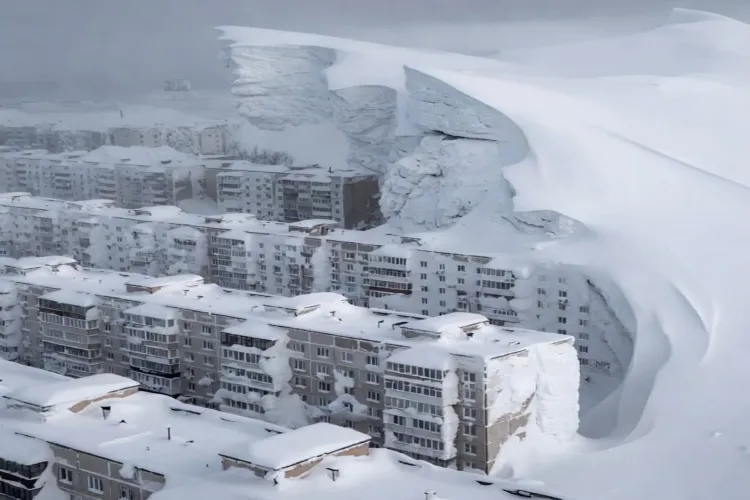
A powerful spell of heavy snowfall has gripped large swathes of Russia in recent days, bringing daily life to a near standstill in several regions and highlighting the growing intensity of winter weather across the country. From major cities to remote towns, thick blankets of snow have transformed streets, rooftops, and open spaces into white landscapes, while also triggering widespread disruptions to transport, power supply, and essential services.
In Moscow, one of the worst-hit urban centres, residents woke up to unusually deep snow accumulation for this time of the season. Overnight snowfall buried cars, blocked sidewalks, and slowed traffic to a crawl. Municipal authorities deployed thousands of workers and heavy machinery to clear roads, bridges, and public spaces, but continuous snowfall made the task challenging. Public transport services, including buses and trams, operated on delayed schedules, while flights at Moscow’s major airports faced cancellations and diversions due to poor visibility and icy runways.
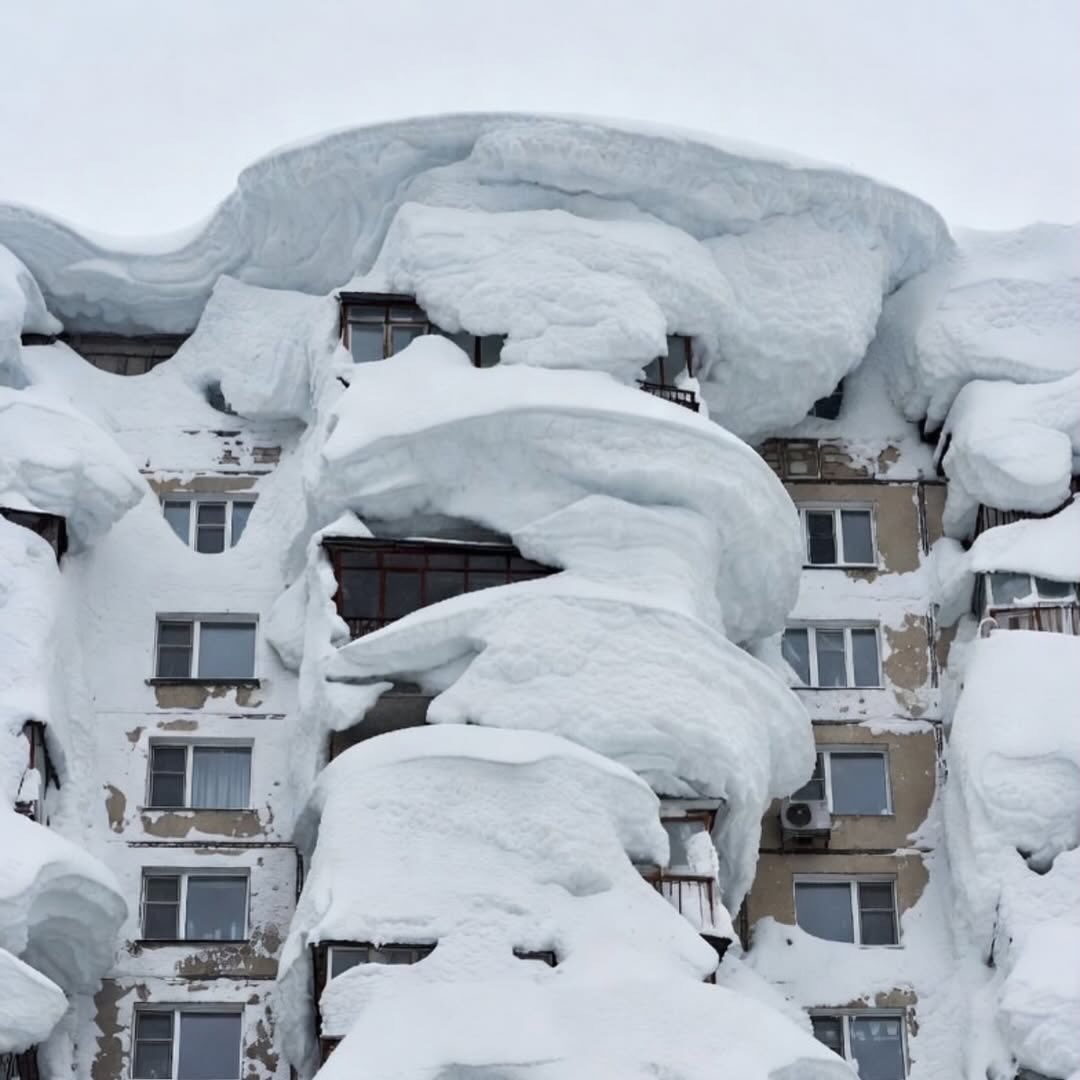 Snowfall in Russia
Similar scenes were reported from Saint Petersburg, where strong winds accompanying the snowfall created blizzard-like conditions in several districts. Snowdrifts piled up rapidly, making pedestrian movement difficult and forcing local authorities to temporarily shut schools and kindergartens. Emergency services urged residents to stay indoors unless travel was absolutely necessary, warning of slippery roads and the risk of falling trees weighed down by heavy snow.
The residents of Russia are taking this as an opportunity to make it a playground. A social media user is seen jumping out of his window into the snow without any injuries.
In Kamchatka, Russia, it snowed so much that people are jumping out of buildings without injuring themselve
pic.twitter.com/jwIiJpgNPc
— Daily Loud (@DailyLoud) January 19, 2026
Meteorologists attributed the heavy snowfall to a powerful Arctic air mass interacting with moist systems moving across the region. According to weather experts, such combinations can result in prolonged snowfall over large areas, with rapid accumulation in a short period. Forecasters also warned that further snowfall could follow, raising concerns about fresh disruptions and the risk of avalanches in mountainous regions.
For many Russians, the severe weather altered everyday routines. Office workers switched to remote work where possible, while parents scrambled to manage childcare as schools closed unexpectedly. Delivery services faced delays, affecting the supply of groceries and essential goods in some neighbourhoods. In cities, parking lots turned into snow mounds, and residents spent hours digging out vehicles, often helping neighbours in a shared effort to cope with the conditions.
A social media user has posted a funny video where he is enjoying in his car while it is under several feet of fallen snow.
🚨More insane footage coming out of Kamchatka, Russia where they have had the largest snowfall in 130 years.😳 pic.twitter.com/nfU3sxR0QK
— Don Keith (@RealDonKeith) January 19, 2026
A powerful spell of heavy snowfall has gripped large swathes of Russia in recent days, bringing daily life to a near standstill in several regions and highlighting the growing intensity of winter weather across the country. From major cities to remote towns, thick blankets of snow have transformed streets, rooftops, and open spaces into white landscapes, while also triggering widespread disruptions to transport, power supply, and essential services. In Moscow, one of the worst-hit urban centres, residents woke up to unusually deep snow accumulation for this time of the season.
Overnight snowfall buried cars, blocked sidewalks, and slowed traffic to a crawl. Municipal authorities deployed thousands of workers and heavy machinery to clear roads, bridges, and public spaces, but continuous snowfall made the task challenging. Public transport services, including buses and trams, operated on delayed schedules, while flights at Moscow’s major airports faced cancellations and diversions due to poor visibility and icy runways.
Despite the challenges, scenes of resilience and community spirit emerged. Volunteers in several cities assisted elderly residents with clearing pathways and carrying supplies. Social media platforms were filled with images of snow-covered landmarks, children enjoying rare extended snow days, and creative attempts to turn adversity into moments of joy. At the same time, authorities cautioned against underestimating the risks, reminding citizens that prolonged exposure to cold and physical exertion could be dangerous.
The snow in Russia 😱😳 pic.twitter.com/nntUgoPpuJ
— Out of Context Human Race (@NoContextHumans) January 17, 2026
The heavy snowfall also posed economic challenges. Construction activity slowed or halted in affected regions, while small businesses reported reduced footfall as customers stayed home. Farmers expressed concern about livestock and feed supply, particularly in remote areas where access routes were blocked. Logistics companies faced higher costs due to delays and the need for additional safety measures.
ALSO READ: India to construct a mega project for endangered one-horn Rhinoceros in Kanziranga
Environmental experts noted that while heavy snowfall can replenish water reserves and benefit agriculture in the long term, extreme winter events also strain urban infrastructure. Many Russian cities, designed to endure cold climates, are increasingly tested by the frequency and intensity of such weather patterns. Aging drainage systems, rooftops not built to handle excessive snow loads, and limited storage space for cleared snow add to the challenge.

.webp "Representational Image")









.webp "Representational Image")