




Vidushi Gaur/ New Delhi
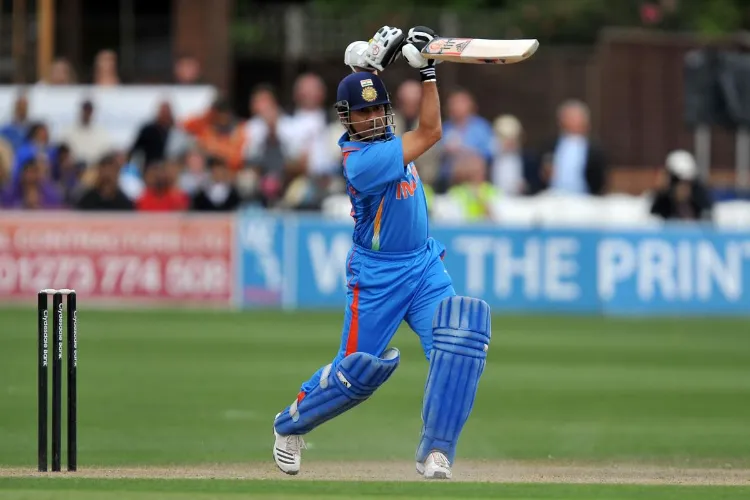
Long before hashtags, reels and viral clips defined sporting fame, there was a quiet English afternoon at Old Trafford in Manchester that changed Indian cricket forever. It was August 1990. India was touring England, struggling for survival in the fourth Test, and very few outside the dressing room believed that a slim, curly-haired teenager could stand tall against one of the world’s most fearsome bowling attacks.
Sachin Tendulkar was just 17 years and 112 days old.
India was staring at defeat. The English bowlers, Angus Fraser, Devon Malcolm, and Eddie Hemmings, smelled blood. Wickets had fallen, pressure mounted, and the clouds above Manchester mirrored the tension on the field. Into this storm walked Sachin, helmet slightly loose, bat held tightly, eyes calm but determined.
What followed was not just an innings. It was a declaration.
Ball after ball, Sachin met pace with precision and swing with serenity. There was no arrogance, no wild celebration, just pure cricketing instinct. The drives were straight, the pulls were fearless, and the defence was unshakeable. As hours passed, murmurs in the crowd turned into applause. Commentators began to sense something special unfolding.
And then it happened.
A crisp stroke off the bowler raced to the boundary. Sachin reached 100, not out. At that moment, history was rewritten. He became the youngest player ever to score a Test century, surpassing legends who had dominated the game for decades.
India eventually drew the match, rescued not by experience, but by belief, belief embodied in a teenager who refused to bow.
Sachin didn’t raise his bat flamboyantly. He didn’t roar. He simply looked towards the pavilion, eyes filled with gratitude and quiet pride. The cricketing world had just witnessed the birth of a phenomenon.
At the time, the news spread through newspapers, radio commentary, and evening television bulletins. Fans clipped articles, pasted photographs in diaries, and spoke about the innings in hushed reverence. There was no “breaking news” banner flashing on phones, no instant replays shared globally within seconds.
Yet, three decades later, that same moment has found new life, this time on social media.
Today, short clips of Sachin’s century resurface regularly on Instagram, X, and YouTube. Grainy footage, slowed-down cover drives, and nostalgic captions like “17 years old and already timeless” flood timelines. Cricket pages, fan accounts, and even international sports platforms revisit that innings, calling it one of the greatest coming-of-age moments in sports history.
On this day, 34 years ago
— 𝗔𝗺𝗮𝗿 𝗕𝗵𝗼𝘀𝗮𝗹𝗲 (@Bhaiya_Bhosale) January 6, 2026
A teenage Sachin Tendulkar became the youngest to score a Test hundred in Australia.
The birth of a legend. #SachinTendulkar #OnThisDay https://t.co/WTZGeHoh44 pic.twitter.com/H7ItDMgwdv
Young fans who weren’t even born in 1990 now react with disbelief.
“How was he so calm at 17?”
“This is not talent, this is destiny.”
“Imagine doing this without social media pressure.”
The innings have become a sensation again, not because it’s new, but because it’s eternal.
In an era where teenage athletes face instant scrutiny, trolling, and unrealistic expectations, Sachin’s Manchester hundred feels almost unreal. No brand deals, no influencer spotlight, no digital noise, just a boy with a bat carrying a nation’s hopes.
Social media users often compare today’s prodigies with that of 17-year-old Sachin, and the verdict is unanimous: pressure then was different, but greatness was absolute.
Cricket historians, former players, and content creators repeatedly call that innings “the knock that announced India’s future.” Memes, tribute videos, and anniversary posts trend every year, proving that true sporting moments never fade; they only find new audiences.
READ MORE: IUML's Fatima Muzaffar Ahmed is the epitome of Muslim woman leadership
Sachin Tendulkar didn’t just become the youngest Test centurion that day. He became a symbol of what was possible. He showed that age was just a number, that courage could outweigh experience, and that humility could coexist with greatness.
The record books remember the number 100*.
The fans remember the feeling.
And today, as social media turns history into living memory, that teenage boy at Old Trafford continues to inspire millions, reminding the world that legends are not born viral—they become timeless.

_(1)_(1).webp "Jagannath Rath Yatra")







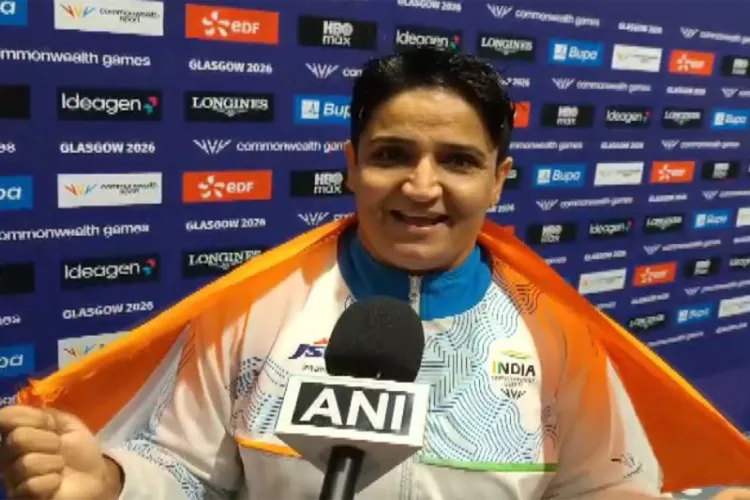
.webp "Sharmila Dhankar,India's first-ever Commonwealth Games para-athletics gold medallist")
_(1)_(1).webp)



_(1).webp)