New Delhi:
There is no inherent conflict between Islam and democracy, and the community should not become disillusioned with democratic institutions, former diplomat Syed Mahmood Akhtar said in a recent conversation. He emphasised that democracy is not limited to elections and that education, skills, and competence remain the real drivers of progress.
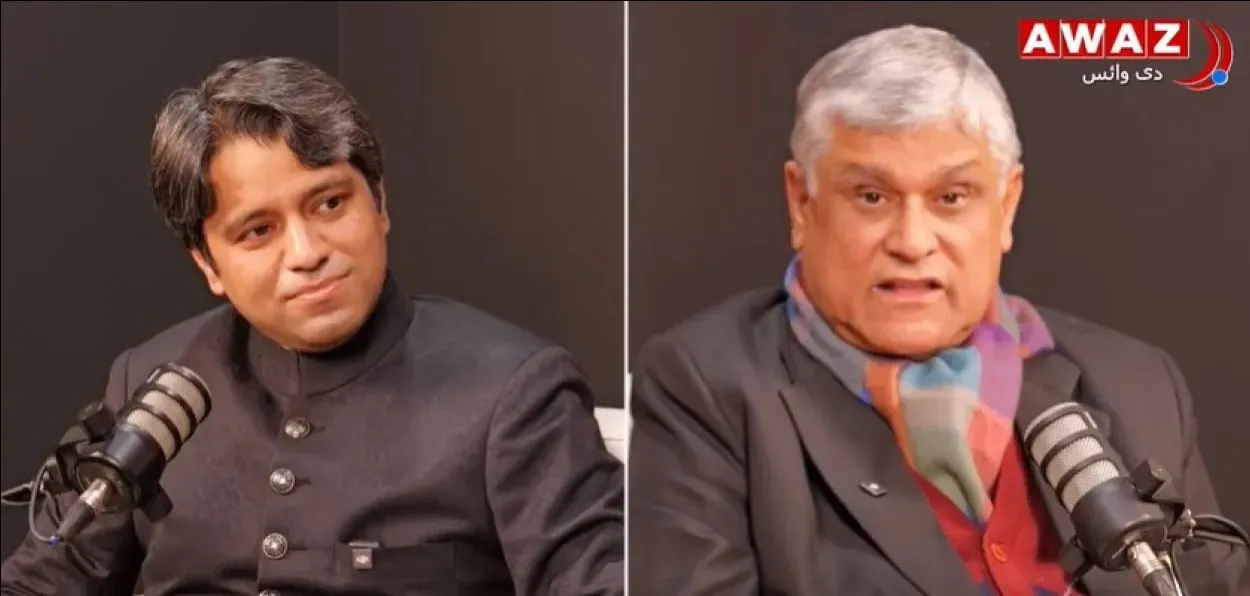
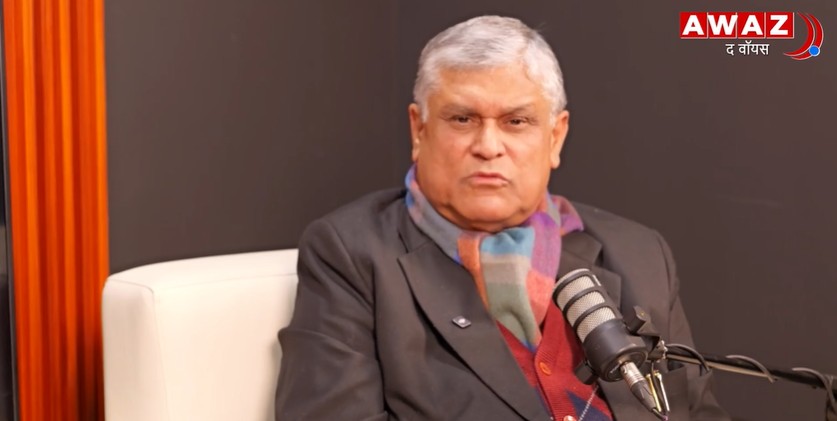
Akhtar made these remarks during a discussion with Saquib Salim on the Deen aur Duniya podcast of Awaz-the Voice.
A former officer of the Indian Revenue Service who later served as India’s ambassador to Nepal, Akhtar, addressed questions about growing concerns among Indian Muslims regarding democracy, the influence of social media, economic opportunities and social segregation.
Responding to perceptions that Muslims—particularly the youth—may be losing faith in democracy, Akhtar said social media narratives sometimes create the impression that democracy is incompatible with Islamic principles or that India’s democratic framework is inherently biased against Muslims. However, he argued that such views do not represent the collective sentiment of the community.
“There may be temporary disillusionment in some circles, but it would be incorrect to conclude that Muslims have lost faith in democracy,” he said.
Akhtar maintained that Islamic history itself demonstrates the importance of consultation and collective decision-making. Referring to the period of Prophet Muhammad and the early Caliphs, he said governance during that era was based on consultation rather than monarchy or coercion.
“Decisions were taken through mutual consultation and public opinion, which reflects principles compatible with democratic values,” he said.
Akhtar also cautioned against the uncritical consumption of information on social media. While the internet offers access to vast knowledge, he said it also enables the rapid spread of narratives that foster fear and suspicion.
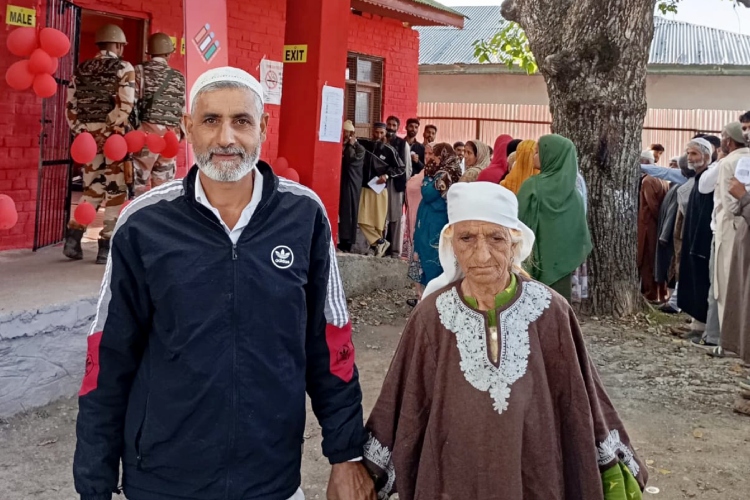 A Muslim couple in Kashmir in front of a polling booth
He noted that some young people perceive discrimination and therefore develop negative views about democratic institutions. However, he stressed the importance of considering both historical context and ground realities.
Referring to Maulana Abul Kalam Azad, Akhtar recalled the freedom leader’s strong faith in Indian nationalism and democracy. Azad had repeatedly emphasised that India’s unity was indivisible and that Muslims were an integral part of the nation, he said.
During the discussion, Akhtar highlighted a common misconception among young people who often equate democracy solely with electoral representation. According to him, a democratic system rests on multiple pillars—including the judiciary, bureaucracy, local governance institutions and civil society—not merely the number of Muslim MPs or MLAs.
Drawing on his own experience in public service, Akhtar said Muslim representation in the civil services was once extremely limited but has improved significantly in recent years. Increasing numbers of Muslim youth, including women, are now entering civil services and the judiciary, he observed.
Akhtar emphasised that education and professional competence remain essential for social and economic advancement. “Complaints alone cannot change circumstances; the community must also address its own shortcomings,” he said.
He added that alongside formal education, skill development is equally important. The Muslim community has a long tradition of craftsmanship—such as embroidery, handicrafts and artisanal work—and these capabilities could create new economic opportunities if integrated with modern markets.
As an example, he cited the Hunar Haat initiative, which provides artisans from various communities a platform to showcase their skills and expand their economic prospects.
The discussion also touched upon the issue of segregated Muslim neighbourhoods in urban areas. According to Akhtar, the phenomenon results from multiple factors, including insecurity among Muslims and reluctance within sections of the majority community to accept them into mixed neighbourhoods.
He said the solution lies in inclusive development and the building of mutual trust across communities.
Addressing concerns about access to bank loans, Akhtar said financial institutions typically assess loan applications based on documentation, business plans and repayment capacity rather than religion. Applicants with proper plans and documents should not face difficulties in obtaining credit, he said.
ALSO READ: Women cops and social workers join hands to host Iftar for women
Reflecting on his long government career, Akhtar added that he had never encountered the term “deep state” within official circles. He also noted that while communal tensions had occurred in the past, they were often localised and quickly contained. Today, he said, social media sometimes amplifies hostility and suspicion far beyond the original incidents.