Egyptian stall enthrals people at Surajkund craft fest
Story by ATV | Posted by Aasha Khosa | Date 10-02-2026
Egyptian stall at Surajkund Mela
Onika Maheshwari
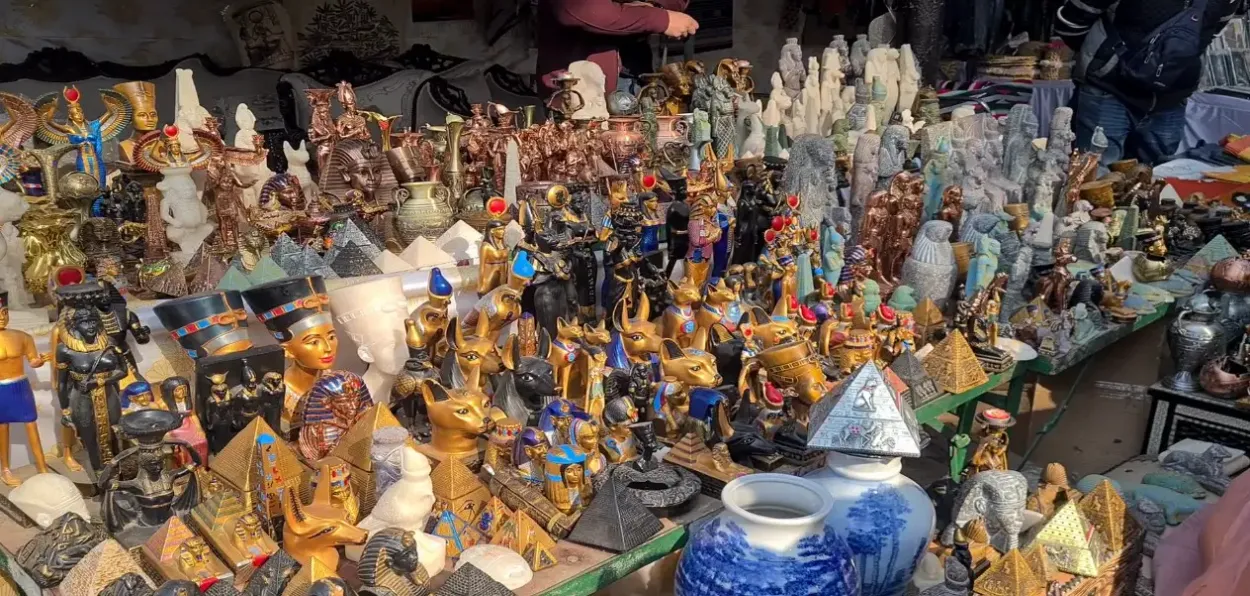
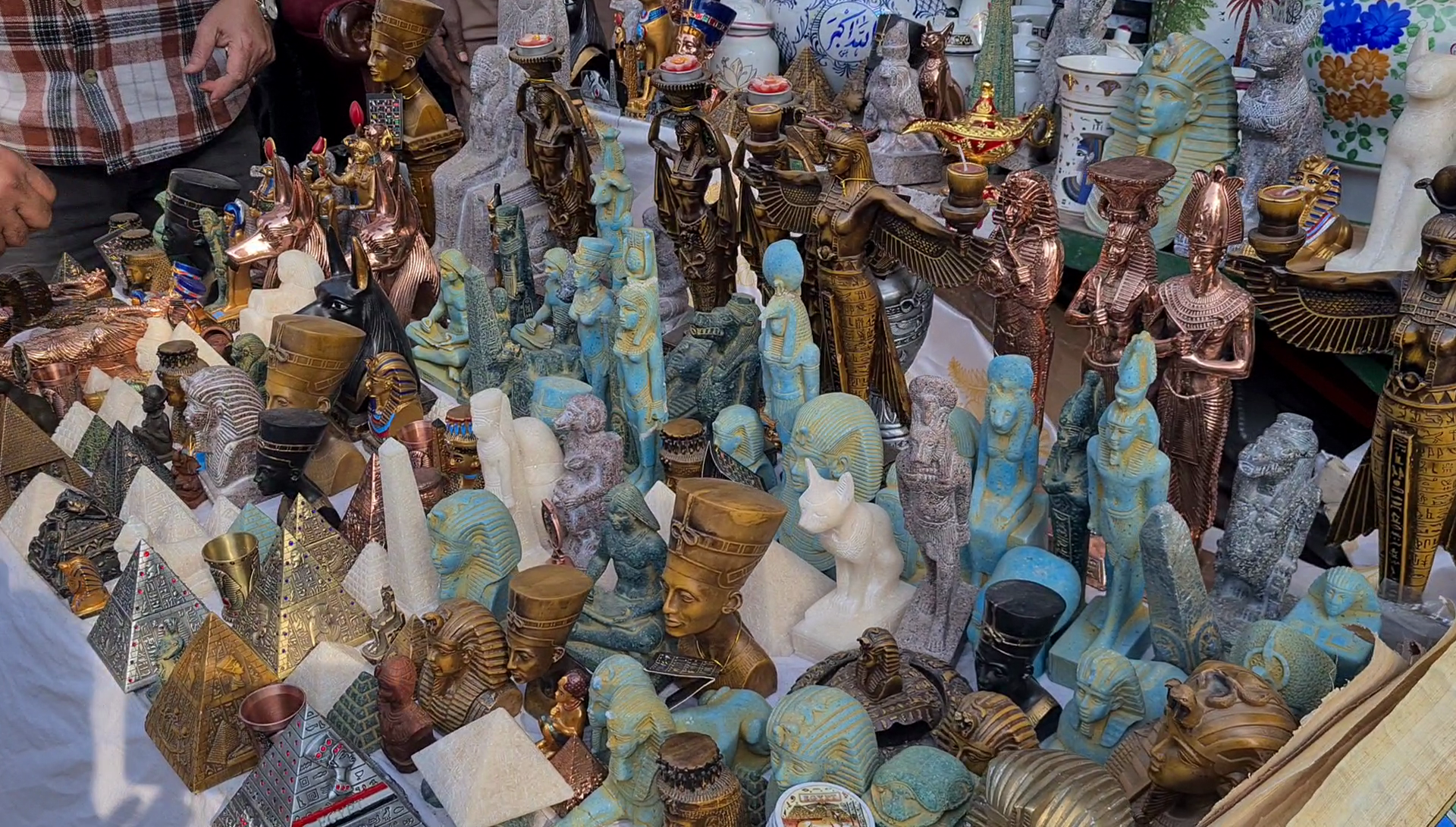
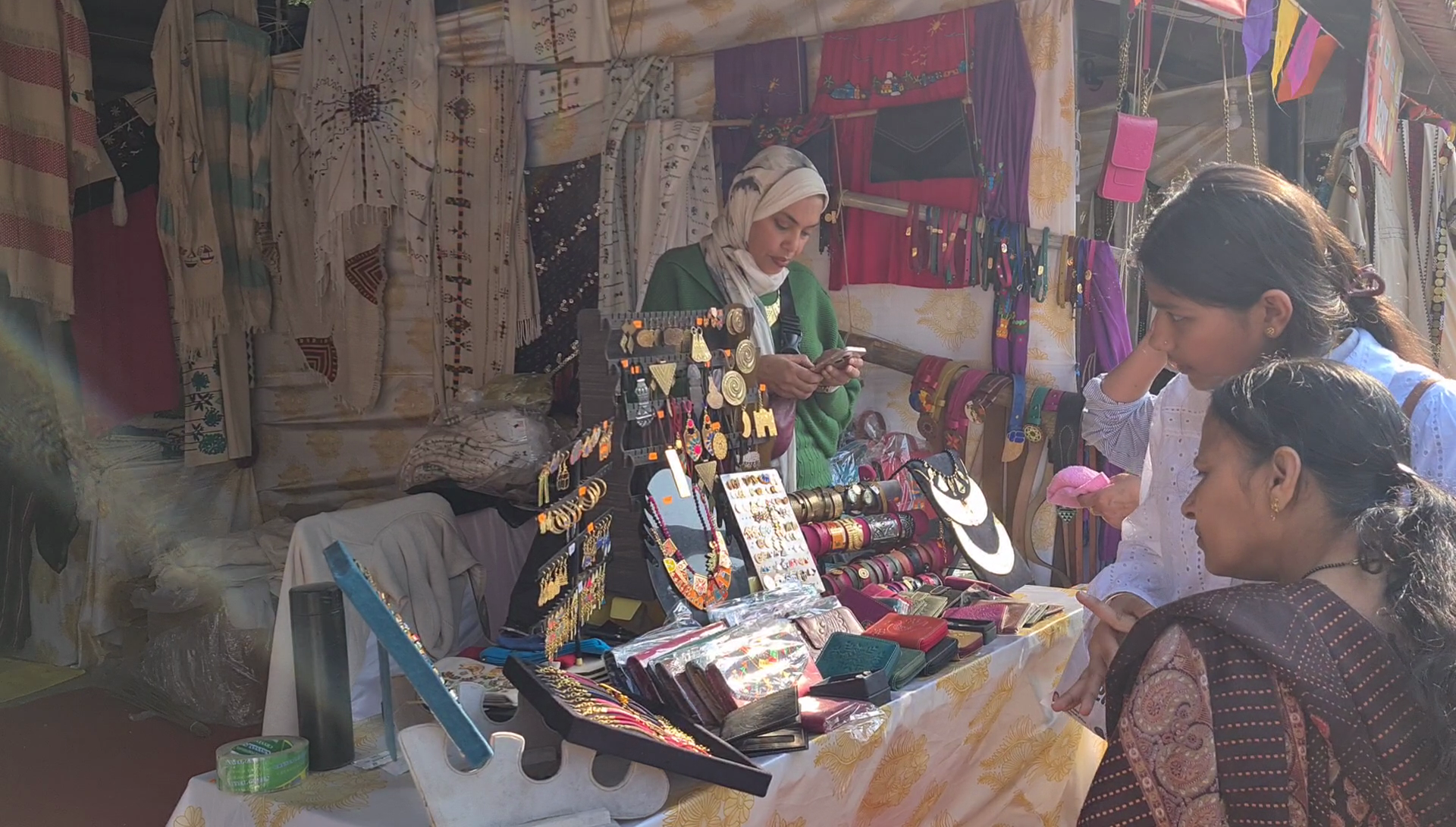
Egypt, this year's partner country at the 39th International Surajkund Crafts Fair, is captivating visitors with its rich traditional art, handicrafts, and unique designs. The Egyptian pavilion showcases colourful handmade products, traditional costumes, and period jewellery that are not only beautiful but also reflect Egypt's cultural and historical heritage.
These Egyptian artists are thoroughly enjoying their experience in India, and their handicrafts are being recognised at the Surajkund Fair.
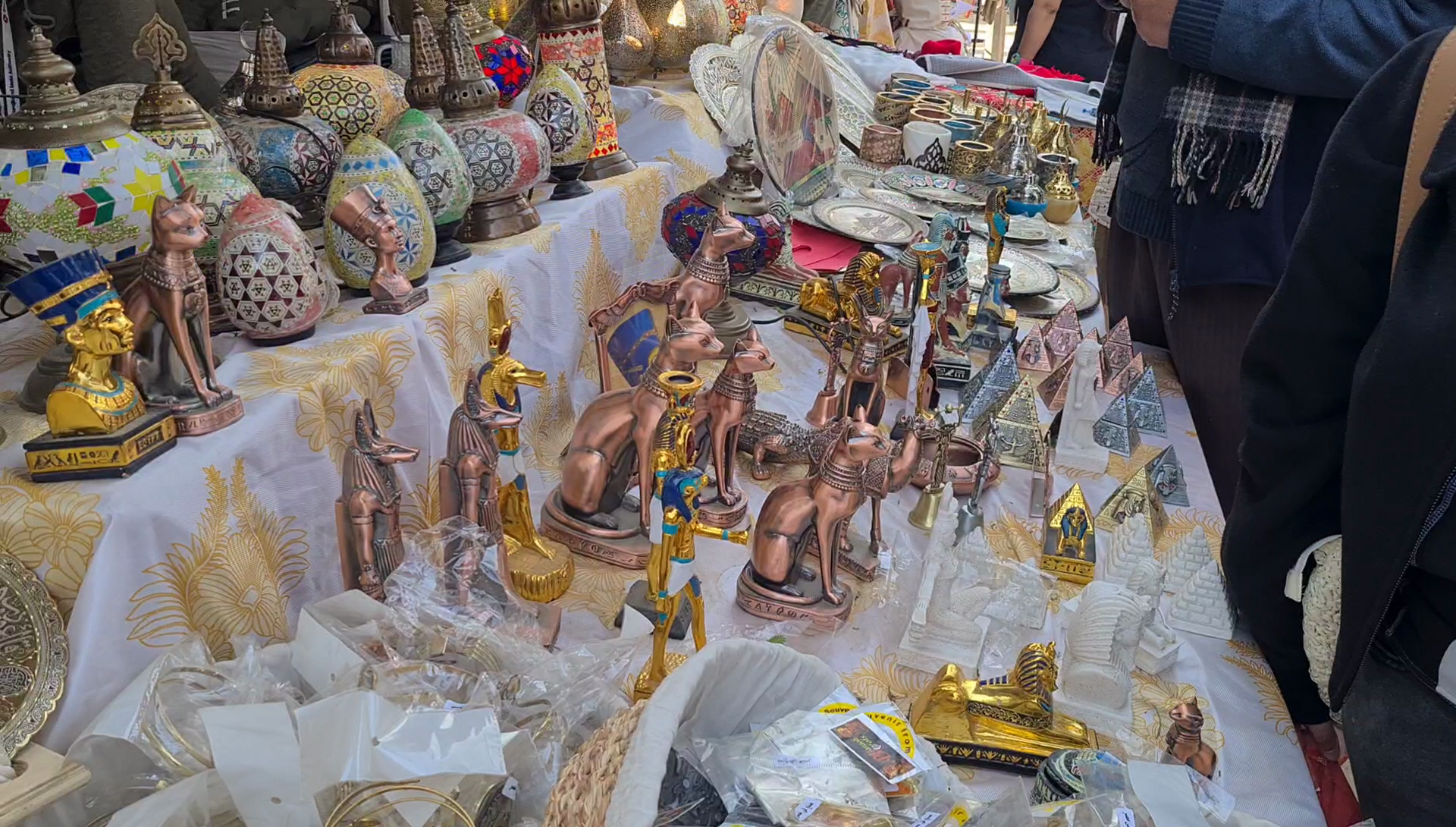
The traditional Egyptian artefacts, sculptures, and costumes displayed at the fair bring to life the grandeur and mystical beauty of the ancient civilisation. The impressive statues of the Pharaoh, Queen Nefertiti, and the gods Horus and Anubis were particularly noteworthy. Made of stone, brass, and bronze, these artefacts reflect Egypt's thousands of years of heritage. The combination of blue and gold colours makes these sculptures even more magnificent. Showpieces depicting pyramids, sphinxes, and ancient symbols are attracting visitors.
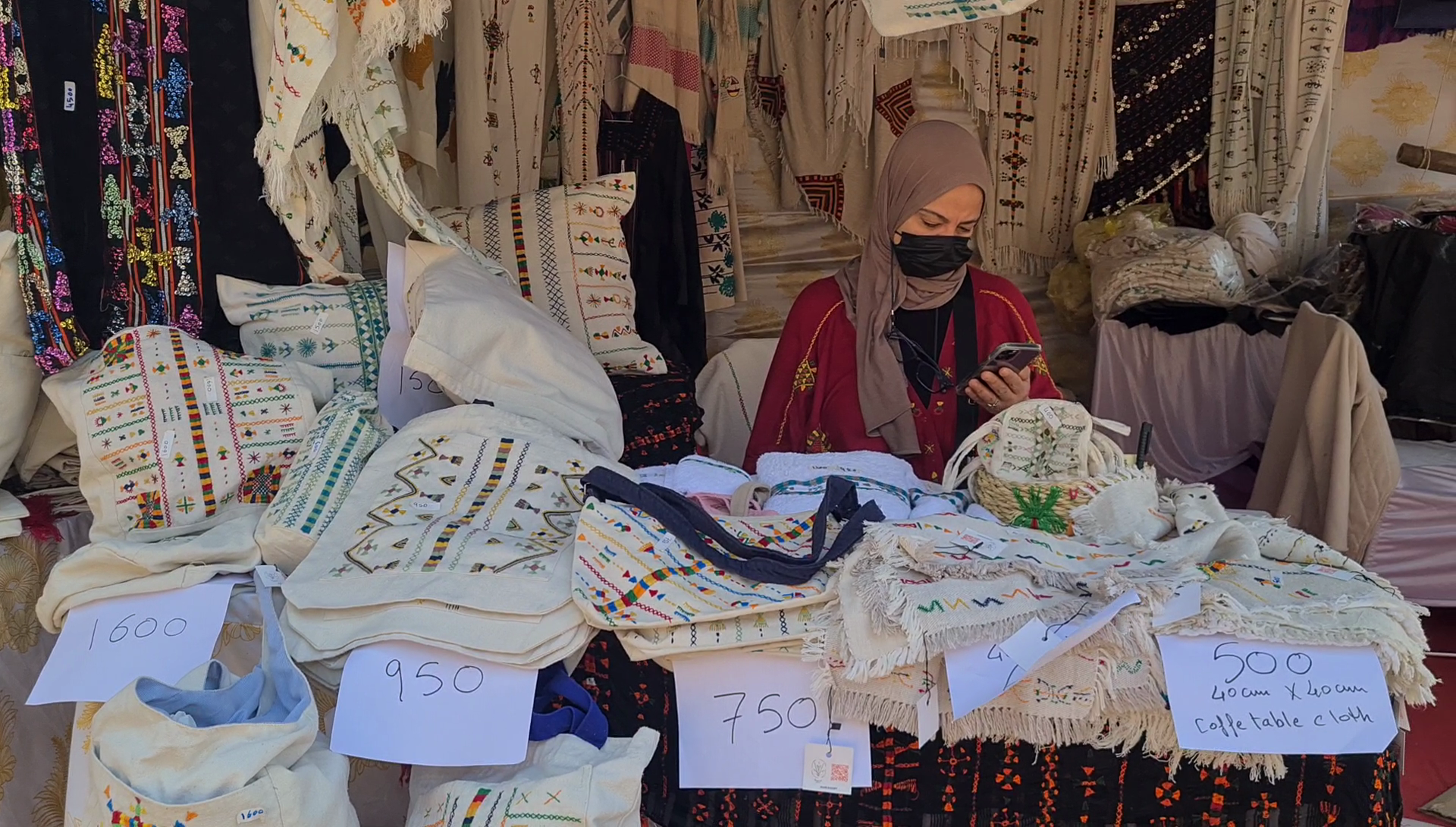
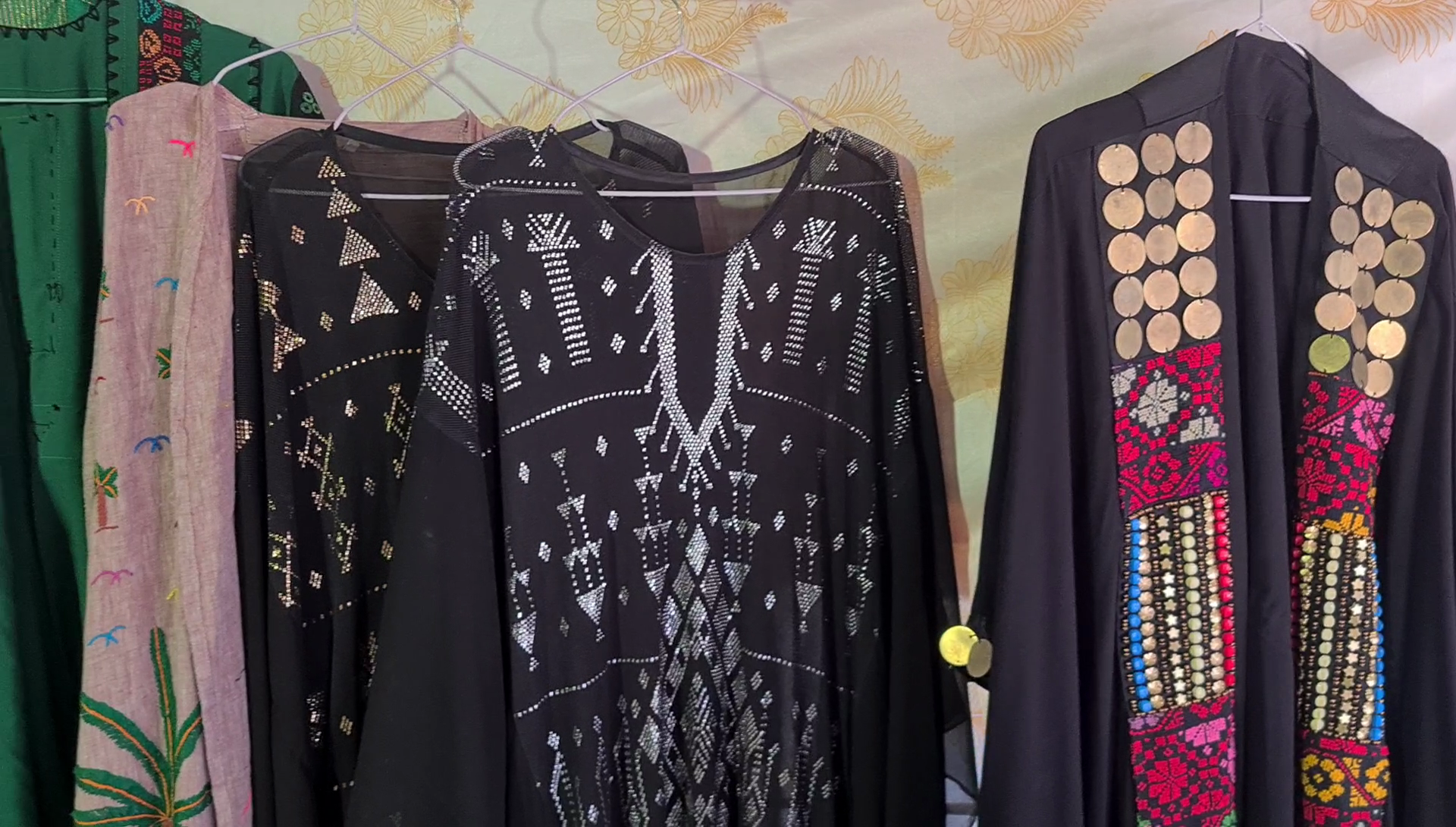
Traditional Egyptian clothing also attracted attention at the fair. Long black garments decorated with hand-embroidered designs, geometric designs, and metal coins reflect Egypt's cultural identity. These garments are not only beautiful but also tell the story of the country's folk art and traditions.
Artists from Egypt say they are receiving tremendous appreciation in India. Indian visitors are showing keen interest in Egypt's ancient civilisation, history, and craftsmanship. Crowds flocked to the many stalls to purchase artefacts. The Surajkund Mela once again proves that art and culture transcend borders. The participation of Egyptian artists is not only bringing recognition to their crafts but also strengthening cultural ties between India and Egypt.
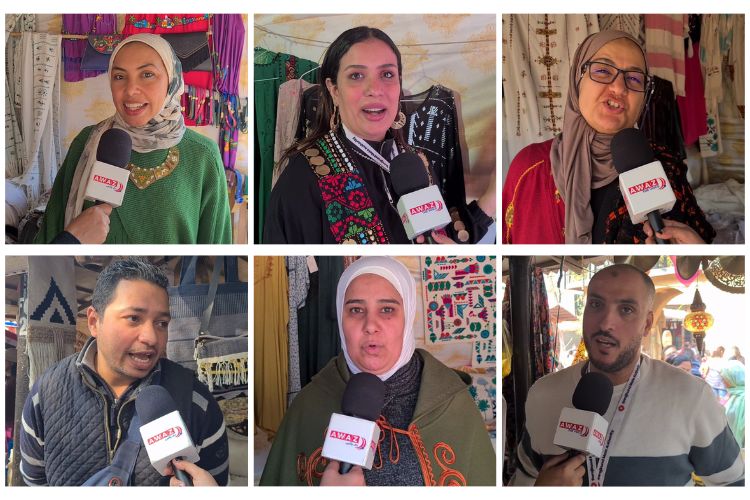
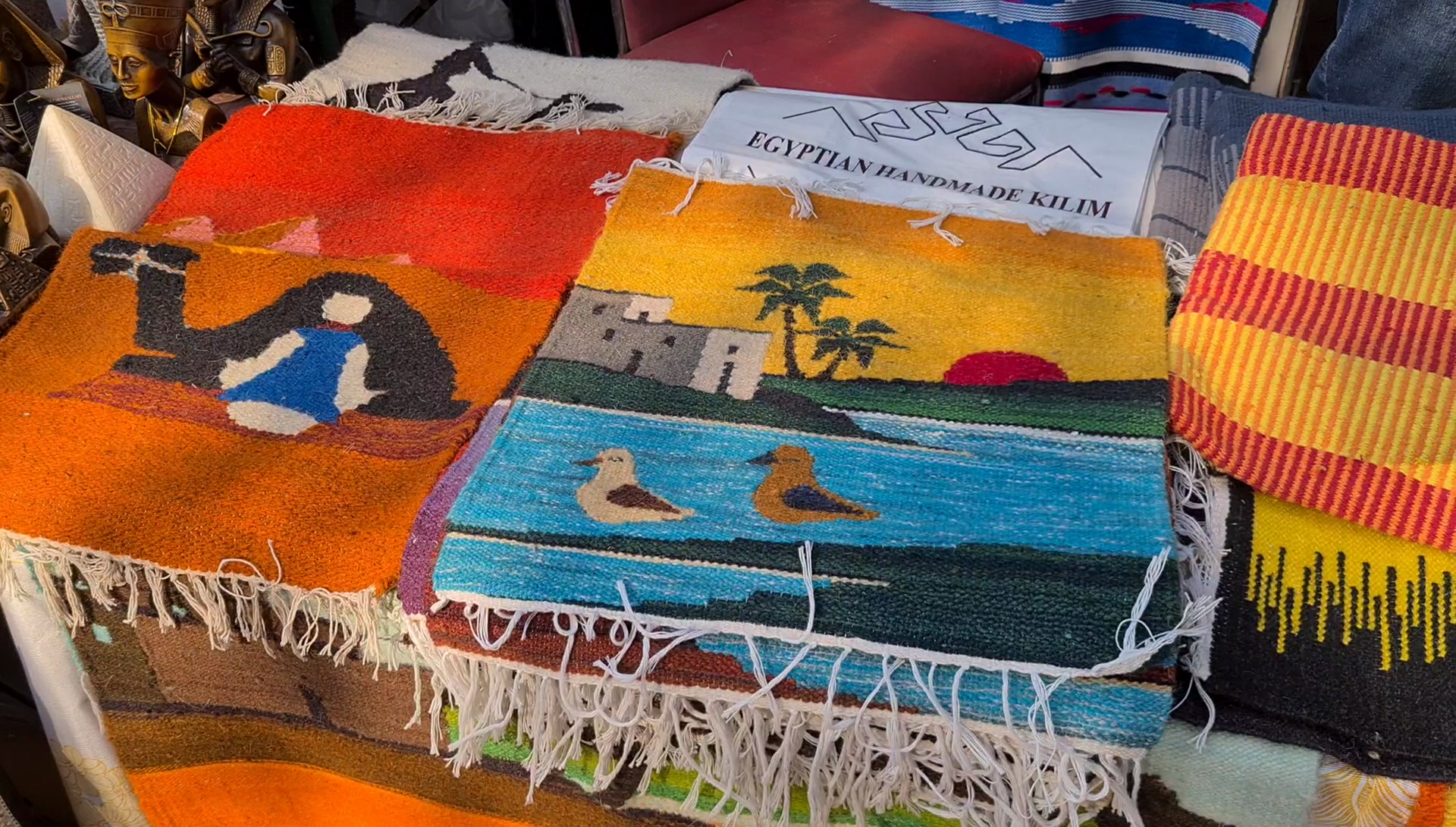
Egyptian artists showcased their handmade products at the fair. At his stall, Asam Yassin explained that his products are entirely handmade. They are crafted on wool and cotton looms, and colorful wall hangings and cleaning products sourced from various parts of Egypt were presented to the audience. He shared that his experience this time was very good, and people greatly appreciated his products.
Jiham Khalifa, from the Siwa Oasis, explained that her team consists of 60 local women who practice traditional embroidery. They have presented 400-year-old traditional designs on modern fabrics and linens. Jiham explained that this is her third year with this project, and her aim is to bring traditional art to the world in a modern form. Her stall at the fair was well-attended, with people praising the designs and quality of her products, although some found the prices a bit high.
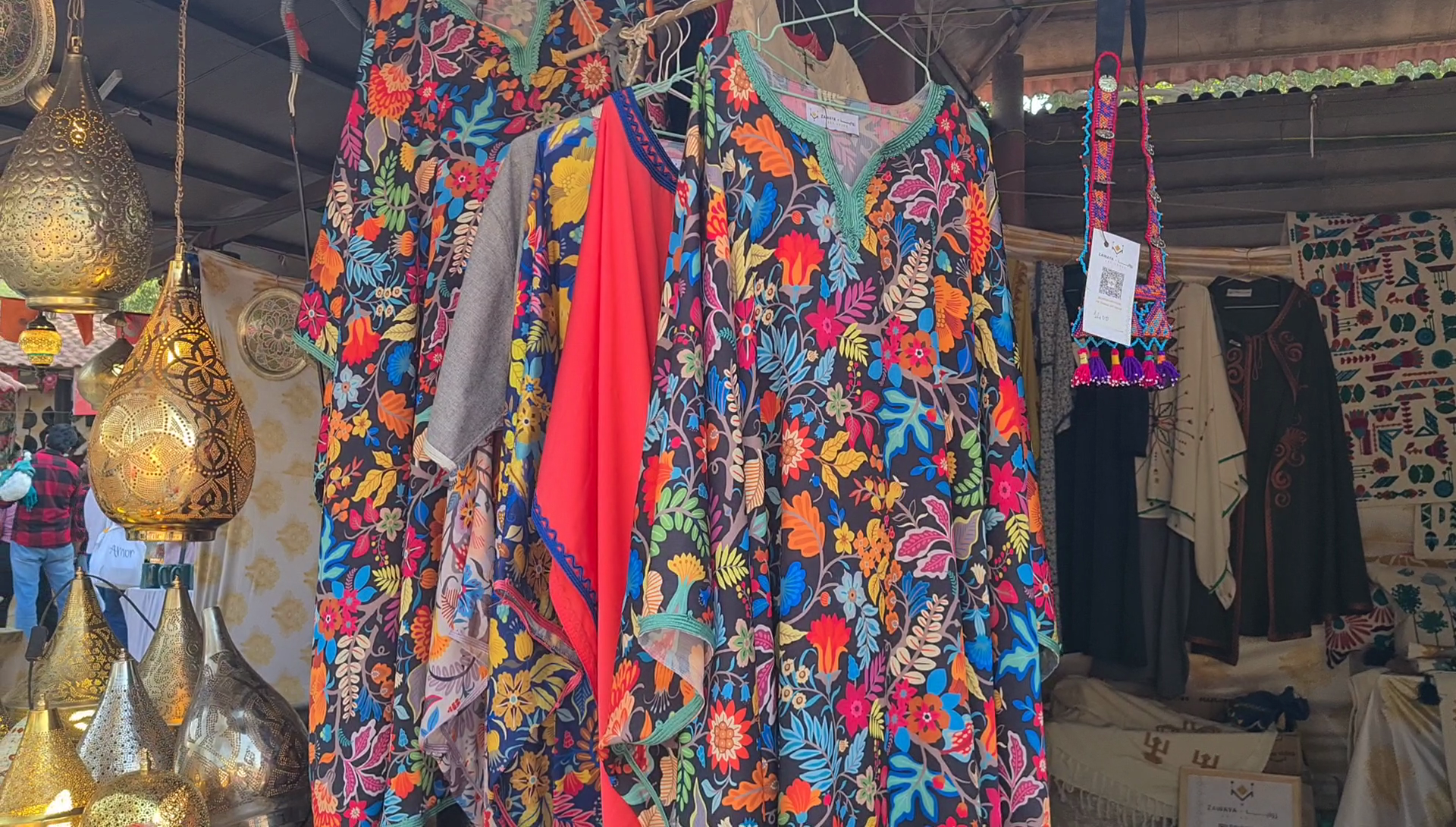
Mariam of the Egyptian fashion brand Zawaya Art House explained that her aim is to present different angles, or perspectives, of traditional Egyptian art in modern designs. Her stall showcases traditional garments for men and women, such as jalabiyas, abayas, telhams, and other garments. She explained that traditional designs from different parts of Egypt, such as Nubia and Siwa, have been presented with modern fabrics and colors, so that they can be embraced by young and contemporary customers.
The traditional jewelry displayed at the Egyptian pavilion is a major attraction at the fair. Rania Helal explained that her jewelry is handmade. It is plated in gold and metal, and features traditional engraving and enameling. She also creates leather wallets, belts, and bags featuring various Egyptian cultural and traditional embroidery designs.
The jewelry features natural stones, including lapis lazuli, rose quartz, and garnet, cut and carved using traditional techniques. Necklaces, bracelets, rings, earrings, and pendants are major tourist attractions. Products with blue, green, and brown stones are particularly popular with women.
Egyptian artists stated that this is their first time visiting India, and they are very excited by the Indian audience and tourists. The audience is greatly appreciates their art and designs.
Egyptian jewellery and handicrafts are not only beautiful, but also hold historical and cultural significance. Traditional Egyptian art incorporates symbols and designs from the Pharaonic era. These designs and techniques are still alive in modern products. Artists say that Egyptian jewelry has a global identity and is not only beautiful but also a symbol of culture and history.
Indian and foreign tourists visiting the Egyptian pavilion at the Surajkund Fair are praising the unique craftsmanship of their products and jewelry. The products, featuring a variety of colours, designs, and traditional techniques, are attracting visitors. Visitors are impressed by the modern finishes and styles combined with traditional designs.
Asam Yassin, Jiham Khalifa, Mariam Zawaya, and Rania Helal told this reporter that their experience at the fair was very encouraging and enjoyable. Despite the crowds, the enthusiasm of the visitors and the interest in their products inspired everyone. They feel that this platform is an important opportunity to present their country's cultural and artistic heritage to the world.
Thus, Egypt's traditional art, handicrafts, and jewellery have captivated visitors and tourists at the 39th International Surjakund Crafts Fair. Visitors to the Egyptian pavilion are not only viewing beautiful and colourful products, but also experiencing Egypt's rich art, culture, and historical heritage up close.














.webp)

.webp)
_(1).webp)