New Delhi
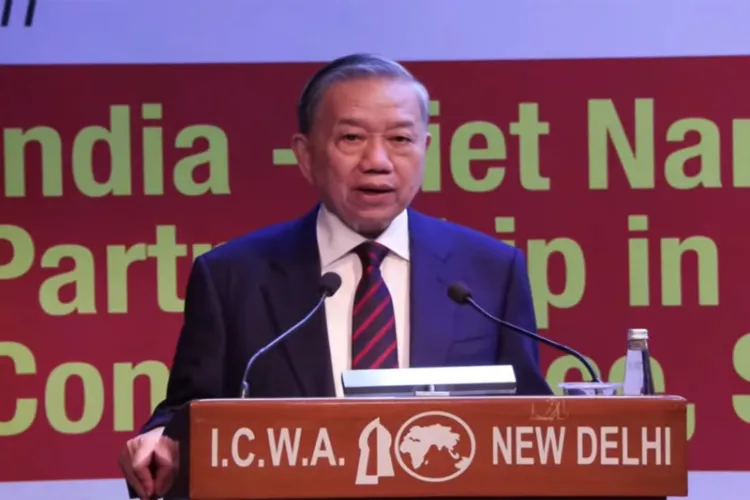
Vietnam’s President To Lam on Wednesday said that ties between India and Vietnam have evolved into an enhanced comprehensive strategic partnership, rooted in a shared vision, aligned strategic interests, and expanding cooperation.
Delivering the 56th Sapru House Lecture at the Indian Council of World Affairs, he reflected on the long-standing historical and cultural connections between the two countries, as well as their growing engagement in the modern era.
Recalling early diplomatic links, Lam pointed to the 1947 Asian Relations Conference in India as a significant moment that brought together newly independent nations, including Vietnam, around ideals of peace, solidarity, and self-determination. He also highlighted the message of unity delivered by Ho Chi Minh at the time.
Emphasising civilisational ties, Lam noted that Indian cultural and religious influences have been present in Vietnam for centuries, particularly through maritime trade. These influences are visible in historical sites such as the Luy Lau Buddhist Centre, the My Son Sanctuary, and the Cham temple complexes.
He added that these connections continue today through shared traditions and practices, including the observance of Vesak and the growing popularity of yoga in Vietnam, which now has thousands of clubs and a large number of practitioners. He also mentioned that many Vietnamese pilgrims travel to Bodh Gaya each year.
Lam further highlighted the shared experiences of colonialism and the solidarity that developed during struggles for independence. He recalled the mutual respect between Ho Chi Minh, Mahatma Gandhi, and Jawaharlal Nehru, noting that Nehru was among the first global leaders to visit Vietnam after its liberation in 1954.
Discussing economic development, Lam observed that both countries have transformed from colonial-era economies into strong and self-reliant nations. He pointed out India’s rise as a major global economy and technology hub, while Vietnam has achieved rapid growth following its “Doi Moi” reforms, significantly reducing poverty and expanding its global economic standing.
On foreign policy, Lam said both nations value strategic autonomy and balanced global engagement. He expressed appreciation for India’s philosophy of “Vasudhaiva Kutumbakam” and its Act East Policy, as well as its active role in global forums such as the UN, G20, and BRICS. He added that Vietnam, too, has taken on important international responsibilities, including leadership roles within ASEAN and the UN Security Council.
Looking ahead, Lam said both countries are pursuing ambitious development goals—India’s “Viksit Bharat 2047” and Vietnam’s target of becoming a high-income nation by 2045. He emphasised the need for innovation and technology-driven growth to achieve these objectives.
He also noted that since the elevation of bilateral ties to a comprehensive strategic partnership in 2016, trade between the two countries has tripled to $16.5 billion. Defence, security, education, tourism, and people-to-people exchanges continue to expand, supported by over 80 direct flights each week.
READ MORE: Shah Taj Khan: The scribe who brought Science fiction to Urdu
President Lam is on a state visit to India from May 5 to 7 at the invitation of Prime Minister Narendra Modi.
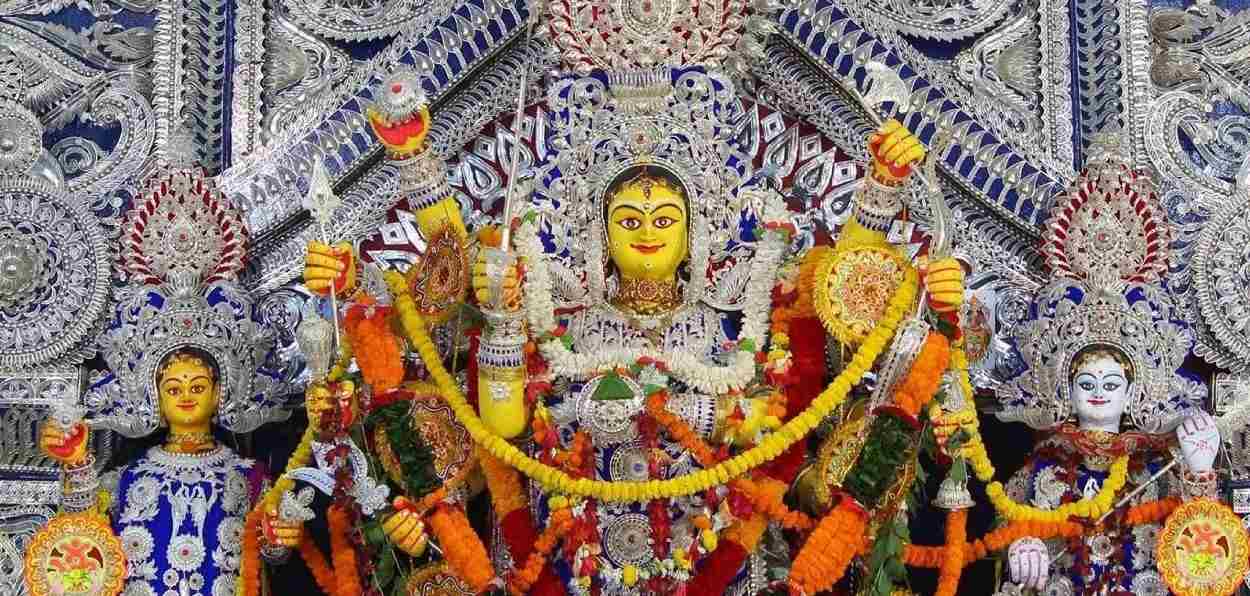
_(1).jpg "Visitors gather at the Santosh Mitra Square Durga Puja pandal, themed on the 150th anniversary of Vande Mataram and its historic role in India's freedom movement, ahead of the festival, in Kolkata")
.jpg "Gujarat’s women entrepreneurs bring their craftsmanship to life during Navratri")





.webp "Defence Minister Rajnath Singh")
.jpg "Katie Zacharia pulled from WSJ interview moments before White House firing.")
.webp)