Tehran
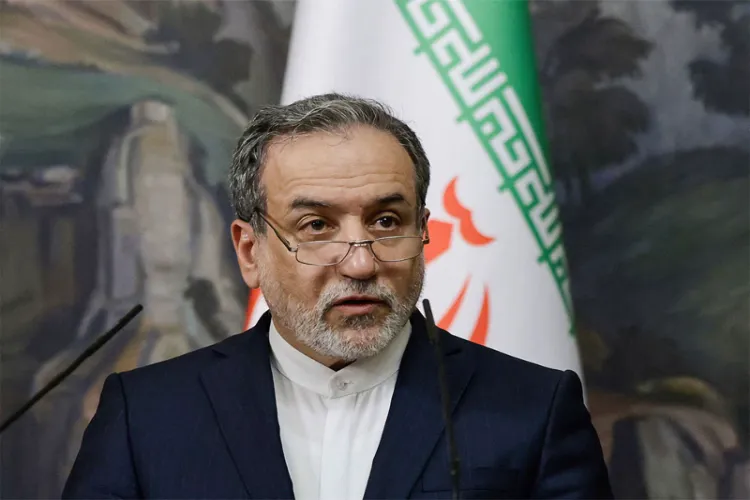
Abbas Araghchi, Foreign Minister of Iran, has ruled out the possibility of resuming diplomatic negotiations with United States, citing what he described as a history of broken assurances and military aggression by Washington.
In an interview with PBS News, Araghchi said Tehran no longer sees dialogue with the US as a viable option following what he called “bitter experiences” during previous attempts at negotiations.
“We negotiated with them last year in June, but we were attacked in the middle of the talks,” he said, adding that Washington had earlier assured Iran that it had no intention of launching military action and was willing to address the nuclear issue through peaceful negotiations.
According to the Iranian minister, Tehran had agreed to re-engage in discussions after receiving such assurances. However, he claimed that despite three rounds of talks and reports of progress, the US eventually opted for military action.
“Even after the American negotiating team acknowledged that significant progress had been made, they decided to attack us,” he said, adding that renewed dialogue with Washington was therefore unlikely to be considered.
Leadership transition in Iran
Commenting on the recent leadership change following the selection of Mojtaba Khamenei as the new Supreme Leader of Iran, Araghchi said the transition reflected continuity and stability within the country’s leadership structure.
He noted that it was too early to predict the new leader’s policy direction and that more clarity would emerge after his public addresses in the coming days.
Claims of failed US-Israel objectives
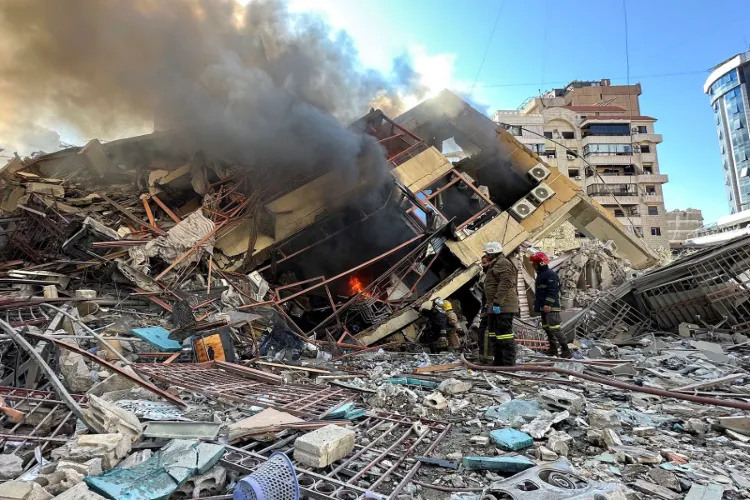
As the conflict in the region entered its tenth day, Araghchi said that the objectives of the US and Israel to achieve a swift victory had not materialised.
“They believed they could secure a rapid victory or even bring about regime change within a few days, but they failed,” he said.
Energy disruption and Strait of Hormuz
Responding to concerns over disruptions in global oil supply and rising energy prices, the minister rejected claims that Iran was deliberately trying to destabilise the market.
He attributed the slowdown in oil production and transportation to military attacks by the US and Israel rather than any Iranian strategy.
Araghchi also said fears among shipping companies navigating the Strait of Hormuz were a consequence of the ongoing conflict.
“We have not closed the strait or prevented ships from passing through it. The insecurity in the region is the result of aggression by the US and Israel,” he said.
Response to Minab school strike allegations
Araghchi also rejected US denials regarding a deadly missile strike on a girls’ school in the city of Minab, which reportedly killed more than 170 people.
Calling the US response “ridiculous”, he claimed that American media outlets and intelligence sources had acknowledged that the strike was carried out by a US missile.
Iran defends military response
Defending Iran’s retaliatory actions in the region, Araghchi said Tehran’s military operations were acts of self-defence in response to what it considers an unlawful war imposed on the country.
READ MORE: Sofia Firdaus: an accidental politician who is here to stay
“What we are doing is defending ourselves. We are facing an illegal act of aggression,” he said, adding that Iran would continue its missile attacks as long as necessary to protect its people and national interests.