Dubai
Israel intensified its military campaign against Iran on Friday, launching fresh airstrikes on key military sites even as diplomatic efforts to end the conflict showed little progress.
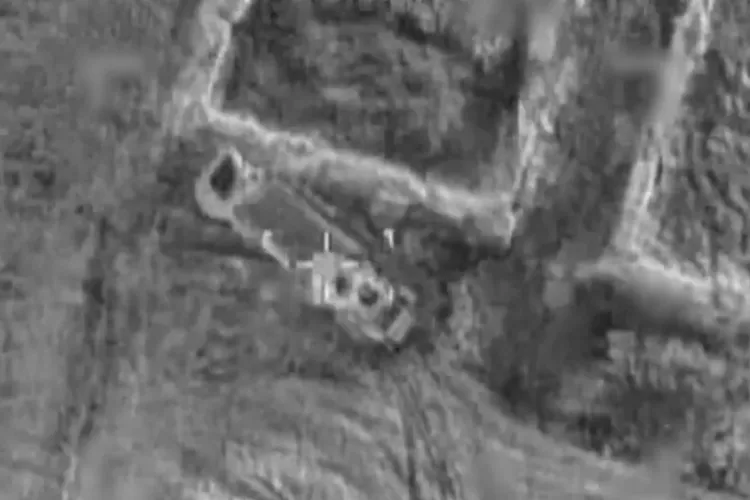
Israeli forces targeted facilities linked to ballistic missile production, along with launchers and storage units in and around Tehran. Defence Minister Israel Katz warned that operations would “escalate and expand” unless Iran halts missile attacks on Israeli civilians.
Meanwhile, Iran continued firing missiles and drones across the region, triggering air raid sirens in Israel and several Gulf countries. Saudi Arabia said it intercepted aerial threats aimed at its capital, Riyadh, while Kuwait reported damage to key port infrastructure following strikes.
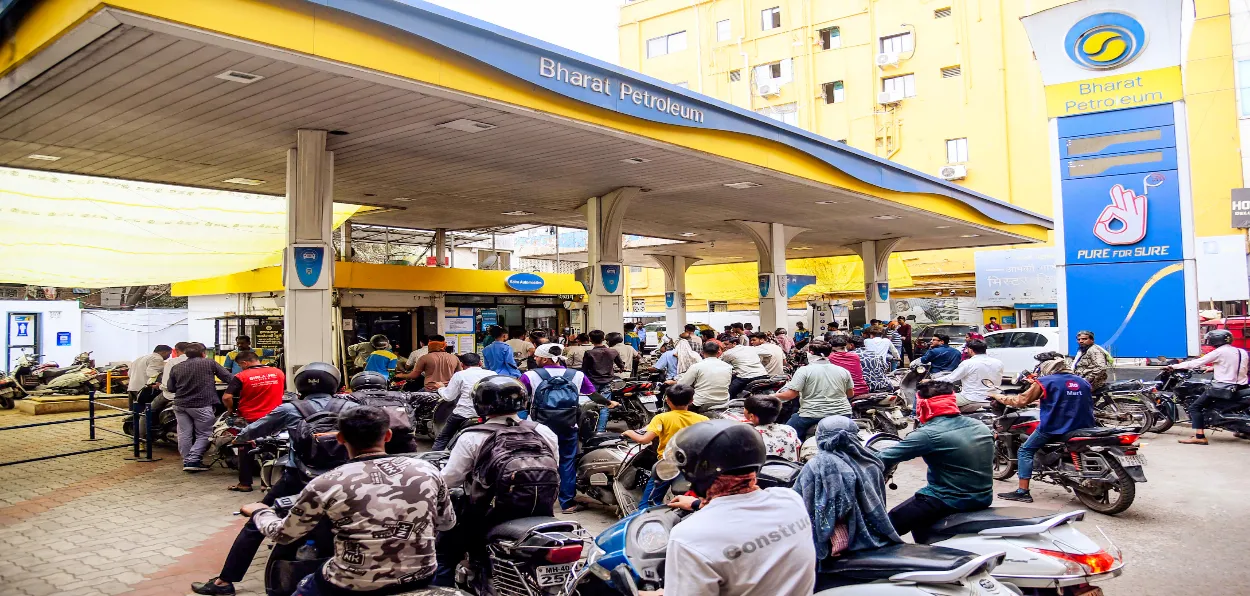
The conflict has significantly disrupted global energy flows, particularly through the Strait of Hormuz, a vital oil transit corridor. Oil prices have surged sharply, reflecting fears of prolonged supply disruptions.
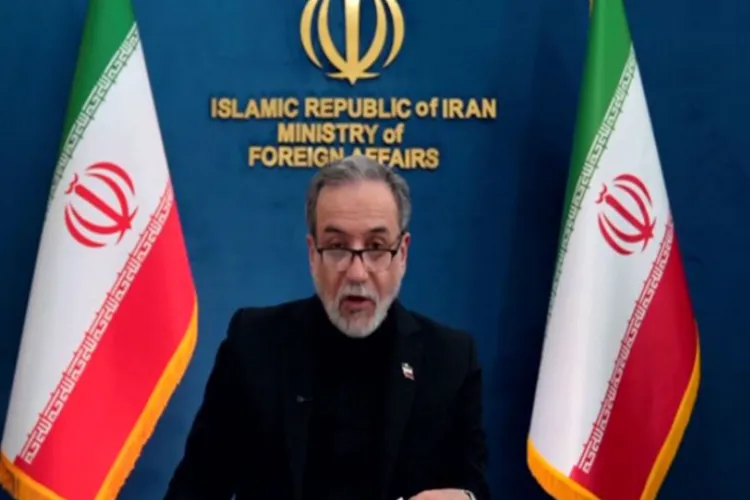
Despite ongoing hostilities, Donald Trump claimed that negotiations to end the war were progressing and extended his deadline for Iran to reopen the strategic waterway. However, Tehran has denied engaging in any talks and rejected a US-backed ceasefire proposal.
The United States has simultaneously increased its military presence in the region, deploying additional troops and naval assets, signalling preparedness for potential escalation even as it pushes for diplomacy.
Efforts by countries including Egypt, Turkey and Pakistan are underway to facilitate direct talks, but no breakthrough has been achieved so far.
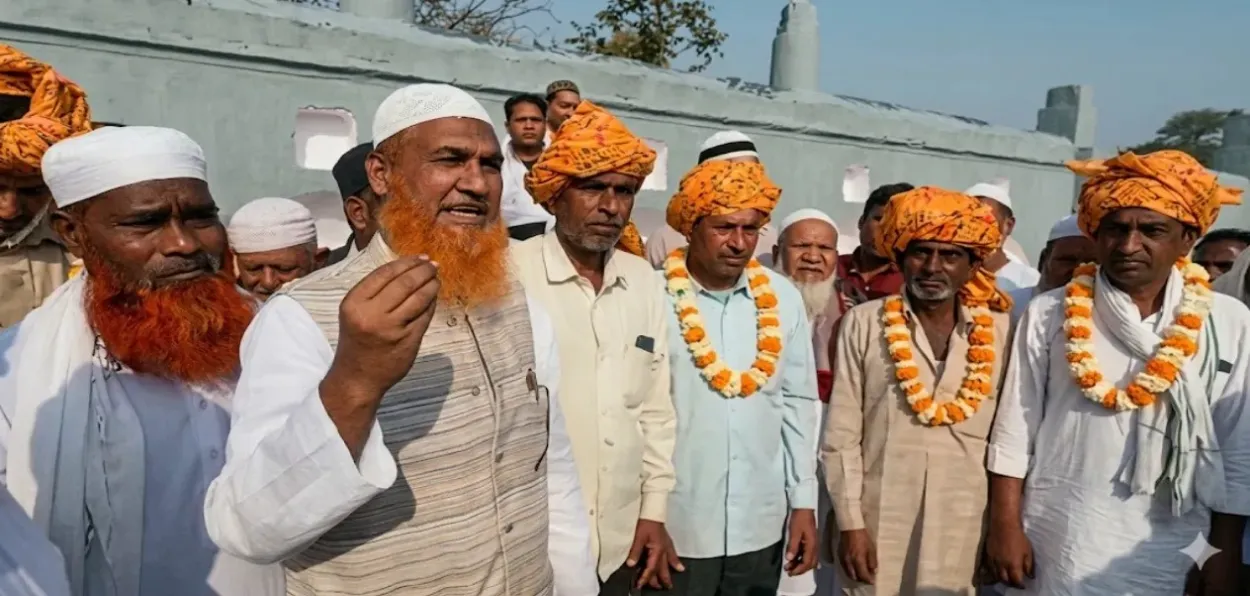
READ MORE: Hindu brothers in Rajasthan donate land for Eidgah
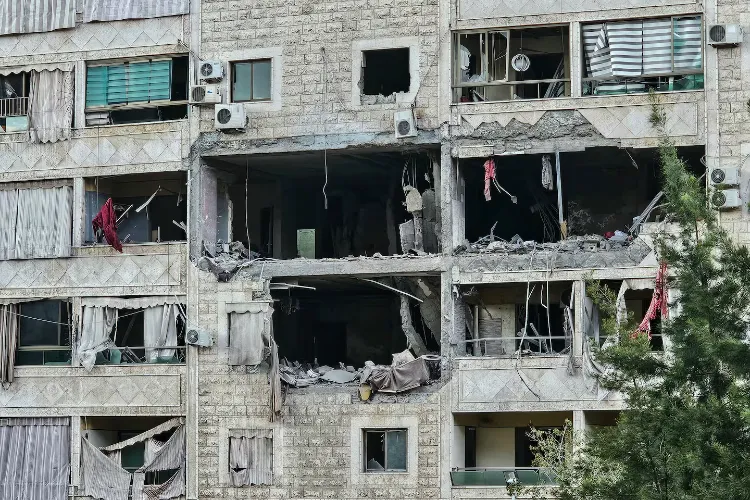
The humanitarian toll continues to mount. Thousands have been killed across Iran, Lebanon and other affected areas, with widespread destruction of homes, hospitals and infrastructure. Aid agencies have warned of a looming regional crisis if the conflict persists.
.gif)










.webp "Visual after strike")