




Washington DC
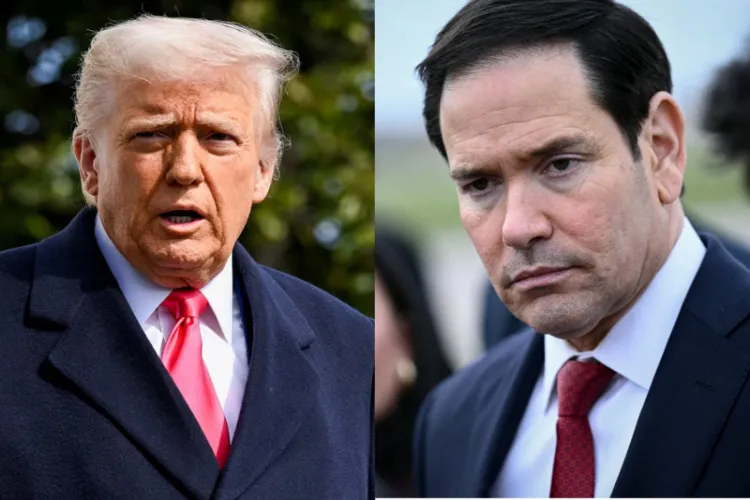
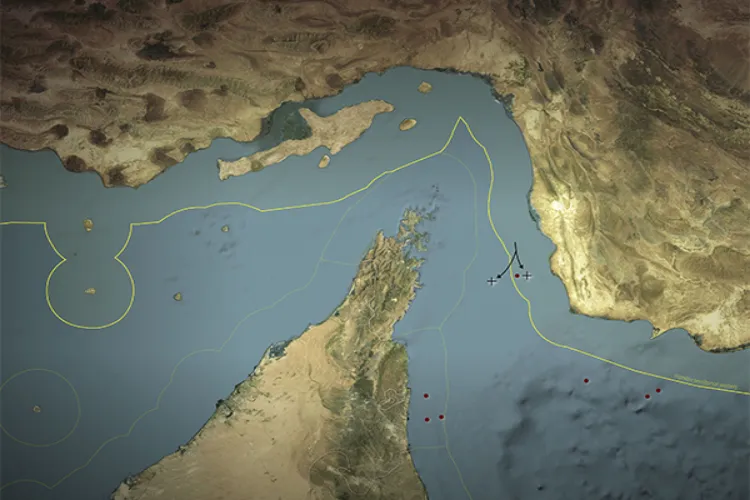
A difference in messaging has surfaced within the United States administration over China’s potential role in easing tensions around the Strait of Hormuz and the wider West Asia crisis.
Marco Rubio has called on Beijing to play a more active diplomatic role in helping stabilise the region and ensuring the reopening of the strategically vital shipping corridor.
Speaking in an interview with Fox News while travelling aboard Air Force One, Rubio said Washington had urged China to use its influence, including at the United Nations, to help build pressure on Iran and support efforts aimed at restoring normal maritime movement through the strait.
Rubio argued that the ongoing disruptions directly affect China’s strategic and economic interests, citing shipping bottlenecks, regional instability and risks to global trade flows. He noted that China’s dependence on Middle Eastern energy supplies and its export-driven economy give Beijing a strong incentive to support de-escalation.
He also suggested that global economic disruption caused by instability in the Gulf could weaken demand for Chinese exports, making a resolution in Beijing’s own economic interest.
However, Donald Trump struck a notably different tone, indicating that Washington does not require outside assistance to manage the Iran situation.
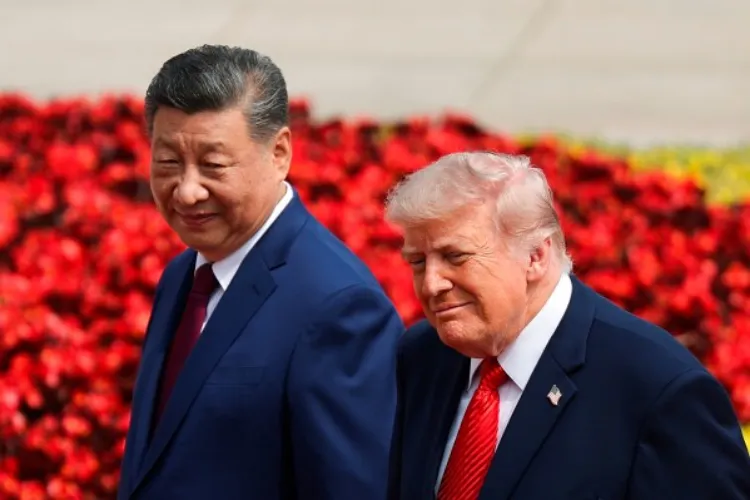
Speaking to reporters at the White House before departing for China, Trump said the United States had the situation “very much under control” and suggested that any resolution would come on American terms.
Asked about his message to Xi Jinping regarding Iran, Trump praised the Chinese leader but downplayed the issue’s importance in their upcoming talks, indicating that trade and broader bilateral relations would dominate discussions.
ALSO READ: Syed Tanveer Nasrin: Ambassador of culture, women rights and harmony
The differing remarks from Rubio and Trump have highlighted a split in emphasis within the administration—one favouring broader multilateral pressure involving China, and the other projecting confidence in a largely unilateral American approach to managing tensions in the Gulf.











.jpg "Representational Image")
.jpg "Representational Image")

_(1).webp)

.webp)