New Delhi
Russia and China are emerging as key economic beneficiaries of the ongoing conflict in West Asia, according to a report by Jefferies, which said rising geopolitical tensions are reshaping global energy and financial dynamics.
The report noted that the surge in global oil prices following the escalation of tensions has strengthened Russia’s position in the energy market, allowing it to benefit from higher revenues.
At the same time, China is gaining from relatively stable domestic markets, enabling it to reinforce its financial system while other economies face volatility and uncertainty.
According to Jefferies, the situation has also eased concerns for India regarding the purchase of Russian crude oil.
“In terms of the chief beneficiaries, Russia has to be one of them, given the rise in the oil price and given that it is suddenly no longer a problem for India to be buying Russian oil again. Another beneficiary is clearly China,” the report said.
The report further noted that China’s policy direction indicates a long-term strategy to strengthen domestic financial markets. In Shanghai, the firm observed that a “slow bull market” remains the guiding approach of the central government towards the stock market.
The goal, it said, is for equities to gradually replace the deflating property sector as the primary source of wealth generation for Chinese households.
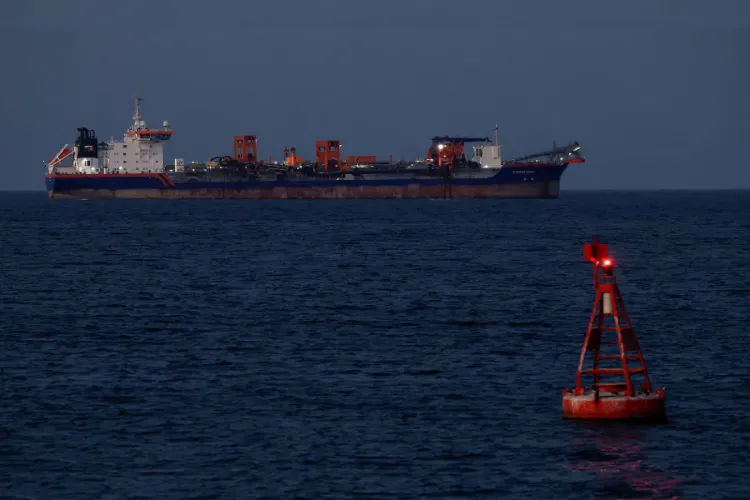
Jefferies also warned that prolonged disruption in global energy routes could have serious consequences for energy markets and supply chains. It highlighted that the longer the Strait of Hormuz remains closed, the greater the potential impact on global oil supply.
The report also pointed to the decision by the United States to release up to 172 million barrels of oil from its strategic petroleum reserve beginning next week.
Currently, the US holds about 415 million barrels in its strategic reserve, around 58 per cent of its maximum capacity of 714 million barrels, significantly lower than the 656 million barrels recorded in July 2020.
Jefferies described the move as reflecting a lack of strategic planning, noting that the reserve had not been replenished earlier.
READ MORE: Women cops and social workers join hands to host Iftar for women
The report also suggested that the decision to attack Iran carries political risks for US President Donald Trump, with some analysts comparing the situation to America’s potential “Suez moment”, referencing the fallout faced by former British Prime Minister Anthony Eden after the Suez Crisis.











.webp "US Ambassador to India Sergio Gor")